Where Sustainable Travel in Ecuador Works Well
To dismiss the entire concept would be inaccurate. Ecuador does many things right—often exceptionally so.
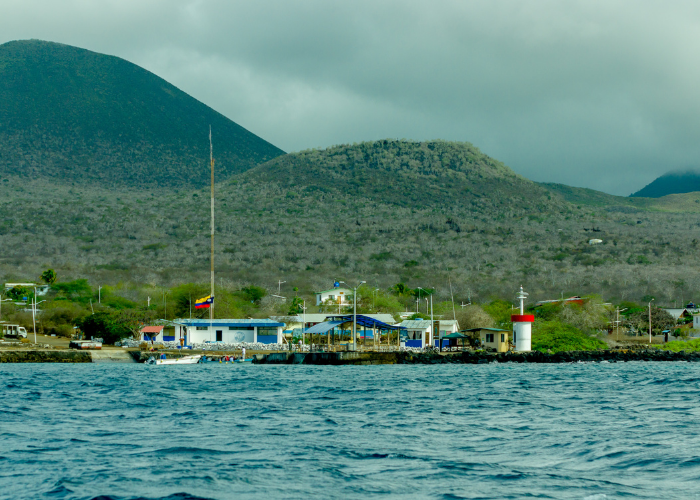
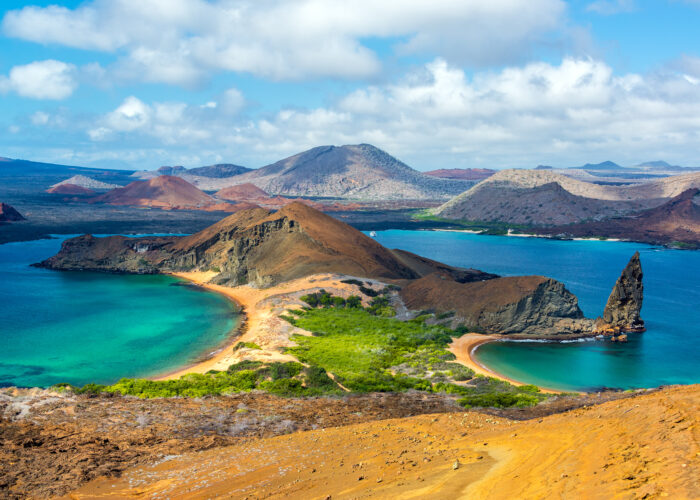
Strong Conservation Frameworks (Especially in the Galapagos)
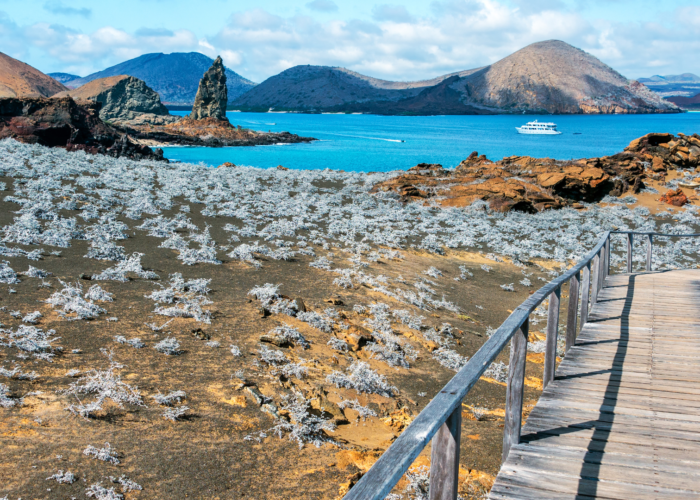
The Galapagos Islands operate under one of the most tightly controlled tourism systems in the world:
- Visitor caps
- Licensed guides
- Strict itineraries
- Protected marine zones
These measures are not theoretical—they are enforced. The result is a model where tourism revenue directly supports conservation.
Growth of Community-Based Tourism
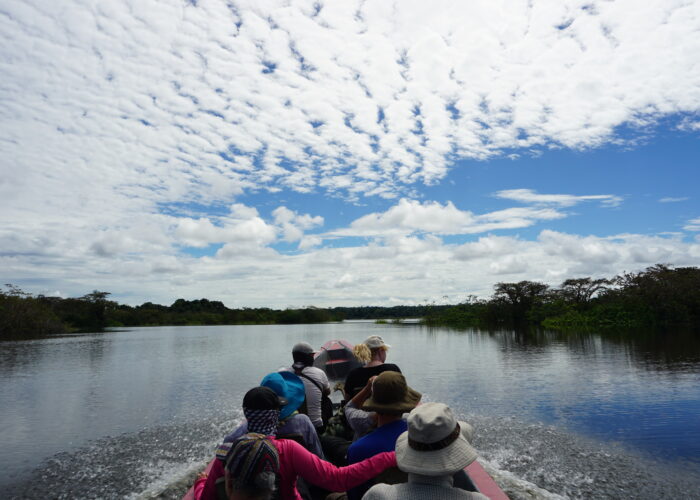
In regions of the Amazon and Andes, indigenous and rural communities increasingly:
- Own lodges
- Guide experiences
- Participate directly in tourism revenue
When structured properly, this creates:
- Economic alternatives to extractive industries
- Cultural preservation incentives
But—and this matters—success varies significantly depending on management and partnerships.
Smaller-Scale Operations by Design
Compared to mass tourism destinations, Ecuador still operates at a relatively intimate scale:
- Smaller groups
- Locally owned accommodations
- Shorter supply chains
This inherently reduces certain environmental pressures—though it does not eliminate them.