
Galapagos Affair — Explained
A clear entry point into the darkest human chapter of the Galapagos Islands
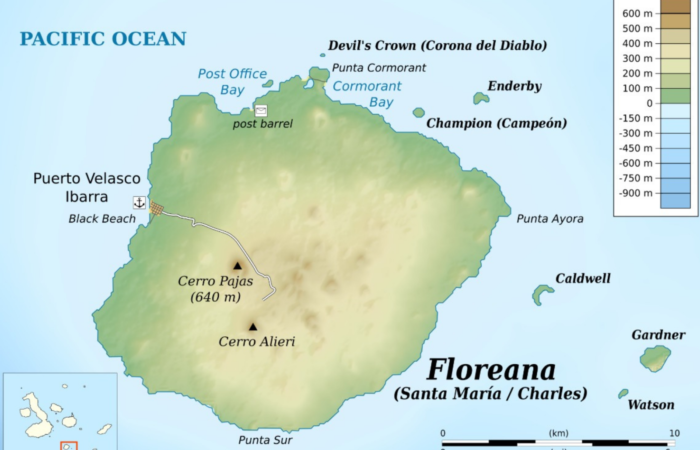
The Galapagos Affair is not a single story but a sequence of events—before, during, and after—shaped by isolation, ambition, fear, and silence. It unfolded on Floreana Island in the early 1930s, far from law, witnesses, or easy truths, and it remains the most unsettling human episode in the history of the Galapagos Islands.
This page is your starting point. It does not speculate. It does not sensationalize. Instead, it organizes the Affair into four clearly structured articles that together form a complete, honest narrative—what led to the conflict, what happened during the years of disappearance and death, what followed, and how historians today reconstruct events through a verified timeline.
Each article below explores one layer of the story. Read them in order, or dive in where your curiosity pulls you.

What This Means for Terravelers Considering the Galapagos Today
Understanding the Galapagos Affair in full is more than unraveling a historical mystery. It reveals a deeper truth about the islands themselves: the Galapagos have always existed at the edge of what is sustainable—for humans and for nature alike.
That reality has not softened with time. Climate change is now adding pressure to an ecosystem already defined by narrow margins. Rising ocean temperatures and increasingly intense El Niño events can disrupt food chains in a single season, affecting marine iguanas, seabirds, sea lions, and other species found nowhere else on Earth. When these disruptions occur repeatedly, recovery becomes uncertain, and ecological balance grows harder to restore.
For terravelers, this context matters when considering a visit today. The Galapagos are not a destination that can absorb careless planning or mass tourism without consequences. Access is regulated, itineraries are controlled, and every logistical decision—from where you go to how you move—has environmental weight.
Choosing to visit the Galapagos now is not just about curiosity or adventure. It is about timing, responsibility, and understanding what is at stake. The islands remain extraordinary, but they are also finite, vulnerable, and changing in real time. Seeing them today means accepting that thoughtful planning and restraint are not optional—they are part of what it means to experience the Galapagos at all.
The Galapagos Affair and Ecuador’s Human History
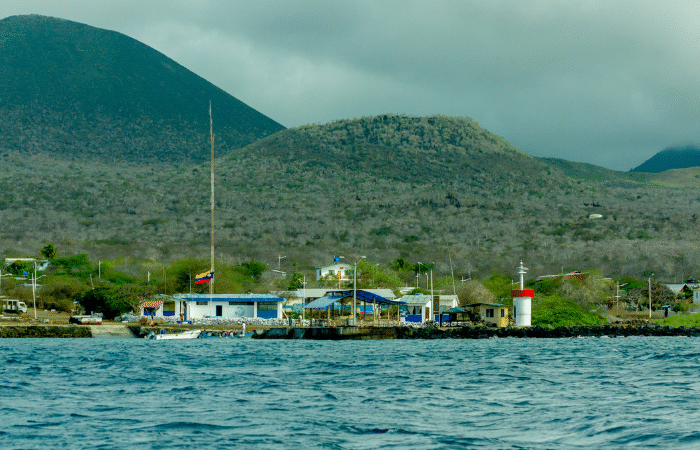
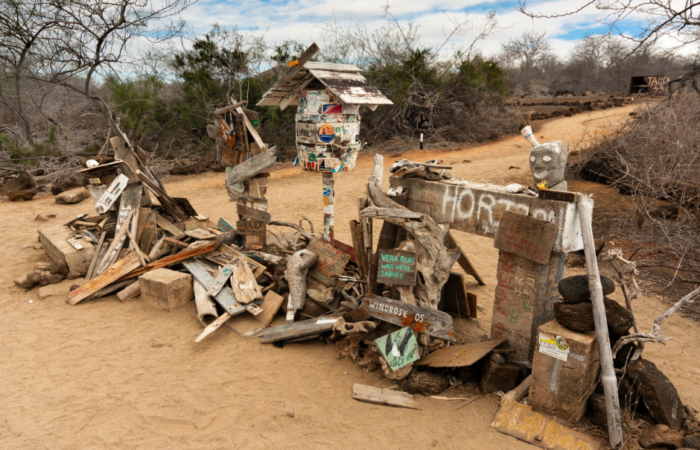
The events known as the Galapagos Affair are not an isolated anomaly but part of Ecuador’s early struggle to establish permanent human settlement in the Galapagos Islands. In the 1930s, Floreana Island stood at the extreme edge of the country’s reach—geographically remote, poorly supplied, and almost entirely detached from oversight or authority.
What unfolded there reveals how fragile life became in such isolation. Personal ambition, ideological conflict, and the absence of structure shaped daily existence long before any disappearances occurred. Understanding this broader context is essential to understanding what happened on Floreana Island, and why no single explanation has ever resolved the Affair.
Today, the Galapagos are carefully managed and protected, but the legacy of early settlement remains visible. The Galapagos Affair reminds terravelers that Ecuador’s most famous destination is not only a natural laboratory, but also a place where human decisions—good and bad—left permanent marks.
This section brings together all related articles to provide a clear, historically grounded overview of the Galapagos Affair, its timeline, and its lasting significance within Ecuadorian and Galapagos history.




Last updated: February 2026 · Written and reviewed by Christian Greiner, founder of Terra Sur Travels, based in Quito, Ecuador.