- The Galapagos Affair – A murder mystery story
- Destination Galapagos
- Floreana Island Travel Guide
- History of Floreana Before the Galapagos Affair
- Galapgos Cruises
Estimated reading time: 10 minutes

Floreana isn’t just another idyllic stop in the Galapagos — it’s an island steeped in mystery. This quiet, sun-drenched place was once the stage of one of the strangest tales in Pacific history: the Galapagos Affair. In the 1930s, dreams of utopia turned dark with disappearances, jealousy, and tragedy. But what does Floreana look like today? How does its haunting past still echo across its lava shores and cactus-strewn highlands? In this article, we uncover how the legacy of the Affair lingers amid Floreana’s natural beauty — and why modern terravelers still find themselves drawn to its enigmatic charm.
Floreana is one of the least developed and most peaceful islands in the Galapagos. With only about 100 residents, it offers a unique chance to disconnect from modern life and immerse yourself in pristine nature and local history.
Unlike the bustling towns of Puerto Ayora (Santa Cruz) or Puerto Baquerizo Moreno (San Cristobal), Floreana feels timeless and untouched.
Travel tip: Floreana is usually visited via day tours or as part of Galapagos cruise itineraries. Limited lodging is available for overnight stays.
While the Galapagos Affair remains shrouded in mystery, several locations on Floreana are directly linked to the historic events:
The Wittmer family, one of the original settlers, still has descendants on the island. Their farm and caves can be visited with a guide.
Learn about Margret Wittmer, who documented her experiences and survived the Affair.
Named after Eloise Wehrborn de Wagner-Bosquet, the self-proclaimed “Baroness of Floreana” who disappeared mysteriously.
A scenic trail leads to this viewpoint, offering panoramic coastal views and a glimpse into the Affair’s drama.
Close to the settlement of Puerto Velasco Ibarra, this beach was part of the daily life of the settlers.
Relax on the dark volcanic sands and reflect on the island’s complicated past.
For a deeper dive into the original events, read our in-depth blog: The Galapagos Affair – A Murder Mystery Story
Beyond its history, Floreana is rich in natural beauty and wildlife:
Post Office Bay: Home to the famous barrel mailbox, where travelers leave and pick up postcards without stamps—an old sailor tradition.
Cormorant Point: A great spot to see flamingos and sea turtles.
Devil’s Crown: One of the best snorkeling spots in Galapagos, with rich marine life.
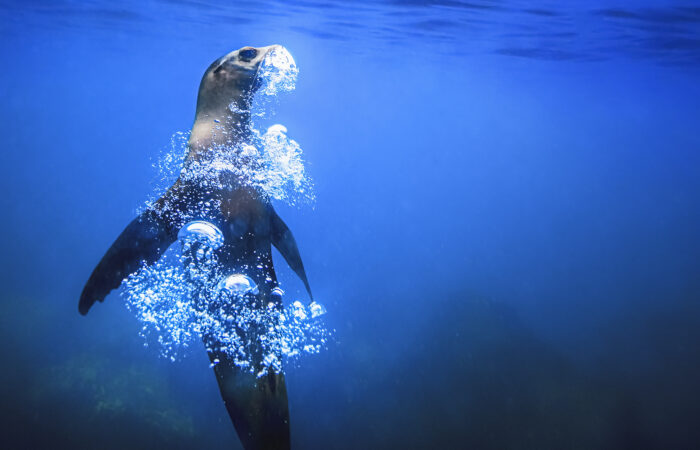
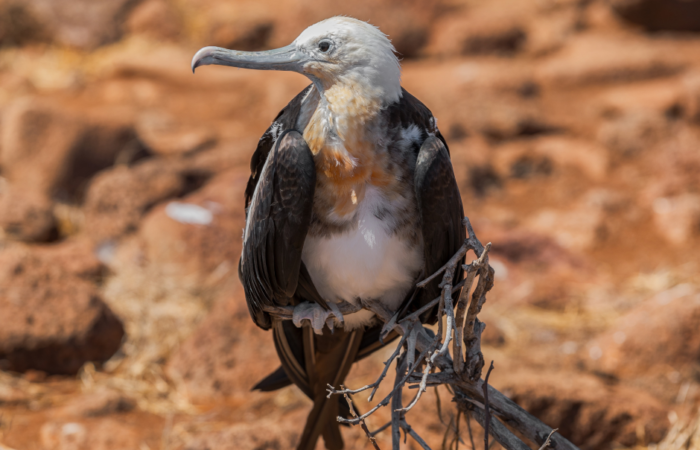
Wildlife highlight: Floreana is a great place to spot Galapagos penguins, sea lions, and marine iguanas.
While the days of the Galapagos Affair are long gone, Floreana retains a sense of mystery. The island’s slow pace, friendly locals, and rugged beauty make it a memorable stop for travelers seeking something different.
Many say the island still “whispers stories” of its past—especially during quiet evenings when the sun sets over the Pacific.
At Terra Sur Travels, we help you experience the real Galapagos, including unique stops like Floreana. Whether on a cruise or a land-based itinerary, we’ll make sure your trip combines history, nature, and comfort.
Contact us today to plan your journey—and perhaps uncover your own version of the Galapagos Affair.
Updated in February 2026:
Terravelers, if the story of the “Floreana Island Ghosts Galapagos affair” has haunted you already, a new chapter of shadows and light has just unfolded. The tale of utopia’s collapse and human frailty has now been transformed into cinema with the release of Eden, a powerful dramatization that brings Floreana’s past to today’s audiences.
The film is directed by Ron Howard, known for his ability to craft sweeping human dramas that linger in memory. Eden was written by Noah Pink and first premiered at the Toronto International Film Festival in 2024 before opening to audiences in the United States in August 2025. The story remains anchored in the volcanic soil of Floreana, yet its truths—about isolation, desire, and the fragility of utopian dreams—are universal.
The cast breathes fresh life into the notorious settlers of Floreana. Jude Law plays Dr. Friedrich Ritter, the uncompromising German intellectual whose ideals begin to crumble in the heat of survival. Vanessa Kirby portrays Dore Strauch Ritter, his partner in both love and desperation. Daniel Brühl and Sydney Sweeney appear as the pragmatic Wittmer couple, torn between hope and despair. Ana de Armas commands the screen as the infamous Baroness Eloise, equal parts enchantress and manipulator, the spark that sets the island ablaze with conflict.
The film does not merely retell history—it immerses us in it. Sweeney delivers a harrowing portrayal of childbirth under impossible conditions, while de Armas embodies the Baroness with magnetic intensity. Each performance reminds terravelers that Floreana’s story was not a myth but a living human tragedy.
What makes Eden compelling is not just the costumes or the setting, but the raw reminder that paradise is never perfect. Floreana was meant to be a refuge, yet it became a stage for jealousy, betrayal, and ambition. The film does not shy away from these tensions. At times, it is messy and sprawling, yet that is precisely what makes it resonate. Human lives are rarely neat, and the island’s ghosts remind us that dreams often dissolve in the harsh glare of reality.
For terravelers who have walked through the history of the Galapagos with us, Eden offers not only a chance to witness the past but also to feel it. The volcanic rocks, the shimmering seas, and the weight of choices gone wrong—all return vividly to life.
Walking the quiet beaches and volcanic highlands of Floreana today, you feel the echo of the past — and you witness an island still shaped by forces both natural and human. The legacy of the Galapagos Affair lingers not as a tourist attraction, but as a reminder that isolated ecosystems are deeply sensitive to change.
That sensitivity is not just historical. Climate change, coupled with increasingly intense El Niño events, can push fragile species and habitats toward sudden shifts. Warmer ocean waters disrupt the algae marine iguanas feed on, seabird breeding cycles alter, and population balances can falter within a single season. These are not distant worries; they are part of the living environmental context of the islands.
For terravelers, this means understanding that the Galapagos’ beauty is tempered by vulnerability. Responsible travel — respect for wildlife, compliance with rules, and mindful engagement — isn’t a burden, it is part of what makes this place possible for future generations.
Last updated: February 2026 · Written and reviewed by Christian Greiner, founder of Terra Sur Travels, based in Quito, Ecuador.