Travel Guide to Floreana Island: A Journey Through History and Eden
The Galápagos Islands are famed for their unique wildlife and untouched beauty, but few places combine natural wonders with human drama quite like Floreana. Known as the stage for the infamous Galapagos Affair, Floreana carries both pristine landscapes and echoes of one of the strangest chapters in island history. Today, terravelers can walk where utopian settlers once dreamed, explore volcanic highlands, and snorkel alongside marine life that seems straight from another planet.
This guide takes you through the must-see spots on Floreana Island — blending adventure, history, and a touch of cinematic intrigue thanks to Ron Howard’s recent film Eden.
The Port of Puerto Velasco Ibarra
For most visitors, Floreana begins in the small settlement of Puerto Velasco Ibarra, home to fewer than 200 residents. The village offers a rare glimpse into everyday life on the Galápagos, where fishing boats dot the bay and children play barefoot along volcanic shores.
Terravelers will find modest guesthouses, family-run restaurants, and the warmth of a community that has lived with limited resources yet abundant resilience. This is the only inhabited area on Floreana, and it was here that some of the settlers of the 1930s first landed, setting the stage for the Galapagos Affair.
Today, Puerto Velasco Ibarra is your base for exploration — a place where whispers of history mix with the salty breeze.
Post Office Bay: A Traveler’s Tradition
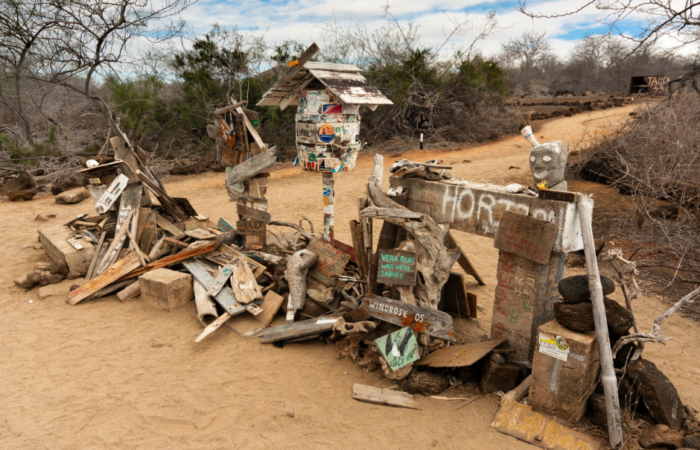
Few spots capture the romance of the Galápagos like Post Office Bay. Dating back to the 18th century, whalers left a wooden barrel here for sailors to drop off letters, which would be carried back home by passing ships. The tradition continues today: terravelers can leave a postcard without postage, hoping another traveler will deliver it by hand.
This charming ritual connects modern visitors with centuries of voyagers — and it also played a role in the Galapagos Affair, as the settlers relied on Post Office Bay for sporadic communication with the outside world.
Tip: Bring a card from home and check the pile for one addressed near your hometown. You might just become part of the legend.
Cormorant Point: Flamingos and Green Sand
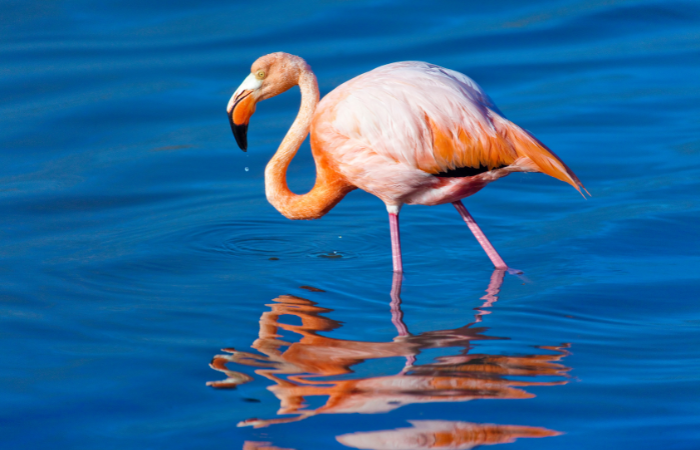
At Cormorant Point, nature takes the spotlight. A short hike leads to a brackish lagoon where flamingos elegantly feed, their pink feathers blazing against the volcanic backdrop. Continue to the beaches: one side glows with unusual green olivine crystals, while the other is a nesting site for sea turtles.
For birdwatchers and photographers, this is paradise. Yet beneath the beauty lies contrast: while wildlife flourished here, human attempts at settlement often faltered. A subtle reminder of how Floreana’s history, dramatized in Eden, was marked by both allure and hardship.
Devil’s Crown: Snorkeling in a Sunken Volcano
One of the Galápagos’ top snorkeling sites, Devil’s Crown is an eroded volcanic crater jutting from the sea. Strong currents sweep schools of brightly colored fish, reef sharks, sea lions, and rays through its natural channels. With visibility often crystal clear, terravelers glide through a living aquarium unlike any other.
It’s not hard to imagine the early settlers gazing upon this same seascape, believing they had discovered Eden itself. Ironically, this vision of paradise was also what unraveled into the Galapagos Affair — a reminder that beauty and human ambition do not always mix peacefully.
Asilo de la Paz: High in the Highlands
The lush highlands of Floreana contrast starkly with its arid coast. At Asilo de la Paz, terravelers can visit a freshwater spring — a lifeline for both pirates and settlers throughout history. The nearby caves provided shelter for the Wittmer family, who survived where others perished, and whose descendants still live on the island today.
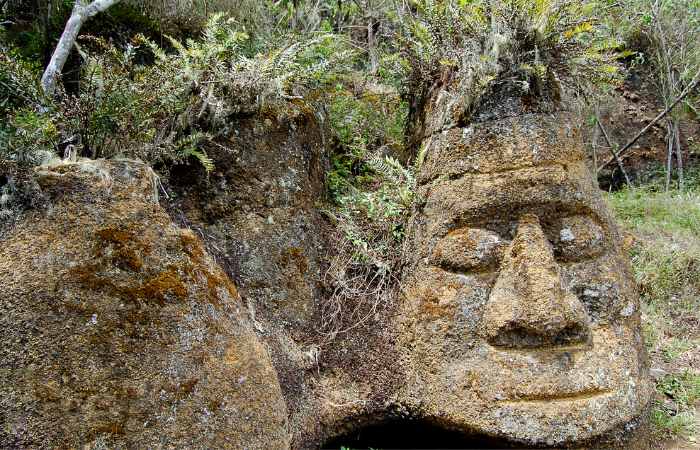
Walking here feels like stepping back in time. Moss-covered rocks, dense greenery, and the cool mist create an atmosphere ripe for reflection. It is here that echoes of the Affair remain strongest: the site of triumph, survival, and tragedy. Watching Eden only heightens the sense of standing in a place where history and myth collide.
Black Sand Beaches and Sea Turtle Nesting
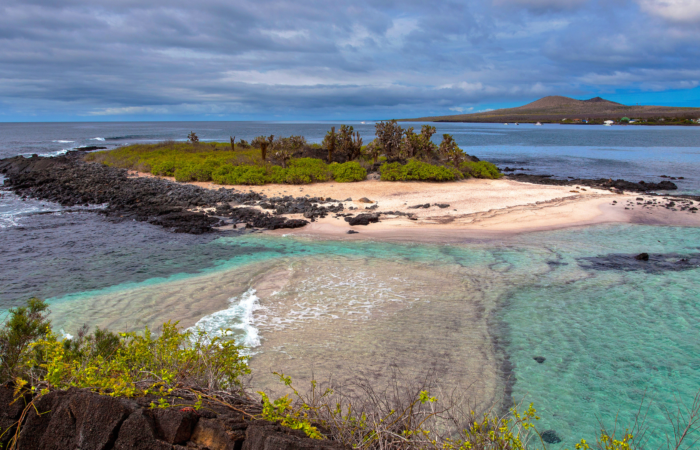
Floreana’s black sand beaches are dramatic and less crowded than those of other Galápagos islands. By day, they are perfect for a quiet stroll or kayak. By night, between December and May, lucky terravelers may witness green sea turtles crawling ashore to nest — one of nature’s most awe-inspiring spectacles.
Imagine the Baroness of the Galapagos Affair, famously theatrical, riding her donkey across these same sands. Today, the only drama is natural, as the cycle of life continues uninterrupted.
Wildlife Encounters Unique to Floreana
Though smaller and less visited than Isabela or Santa Cruz, Floreana boasts wildlife experiences few others can match. Look for:
Galapagos penguins darting like torpedoes through the water.
Sea lions lounging on piers, unbothered by human presence.
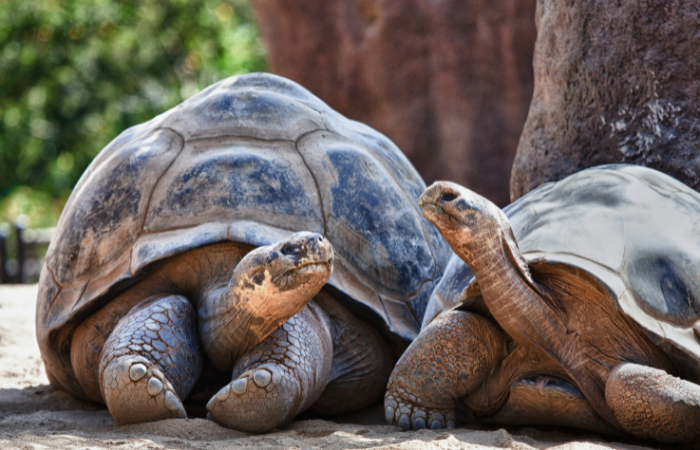
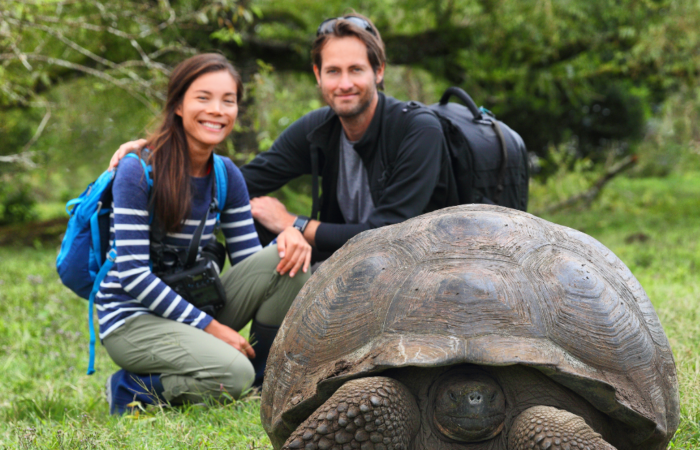
Giant tortoises in the highlands, part of Floreana’s vital repopulation program.
Nazca and blue-footed boobies nesting on rocky outcrops.
For terravelers fascinated by the clash of human dreams and wild reality, Floreana is the perfect reminder that nature always prevails.
Linking History, Film, and Travel in Eden
Floreana is more than a dot on the Galápagos map. It is a living museum, shaped by fire, ocean, and human ambition. The settlers of the 1930s sought paradise here and instead ignited the Galapagos Affair, a saga of love, jealousy, and mystery that continues to captivate. With Ron Howard’s film Eden bringing the story to the big screen, visitors can now connect cinematic drama with real landscapes.
Whether you come for wildlife, solitude, or the thrill of walking through history, Floreana offers a journey unlike any other.