
Estimated reading time: 9 minutes
05Feb
History of Floreana Before the Galapagos Affair
History of Floreana Island Before the Galapagos Affair: A Forgotten Chapter of History
Floreana’s Untold Beginnings
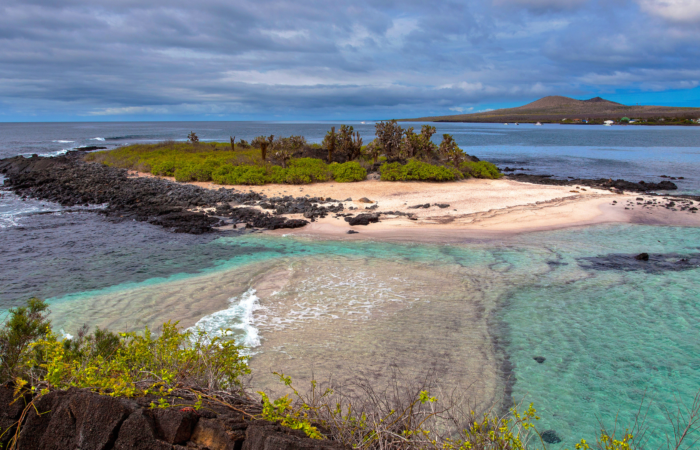
Before the drama of the Galapagos Affair unfolded in the 1930s, Floreana Island already held a complex and fascinating past. From its earliest role in seafaring navigation to becoming one of the first inhabited islands in the Galapagos, Floreana was more than just a speck in the Pacific—it was a stage for exploration, ambition, and survival. This blog takes you back to a time before scandal and mystery, revealing the true history of Floreana Island before 1930.
Floreana’s First Name – Charles Island
Named Charles Island in honor of King Charles II of England, Floreana was one of the first Galapagos islands to appear on British naval charts in the 17th century. But the island would later adopt the name Floreana, a tribute to Juan José Flores, Ecuador’s first president, after Ecuador annexed the Galapagos Islands in 1832.
This renaming marked the beginning of Ecuadorian influence in the region, although Floreana’s story began long before that political decision.
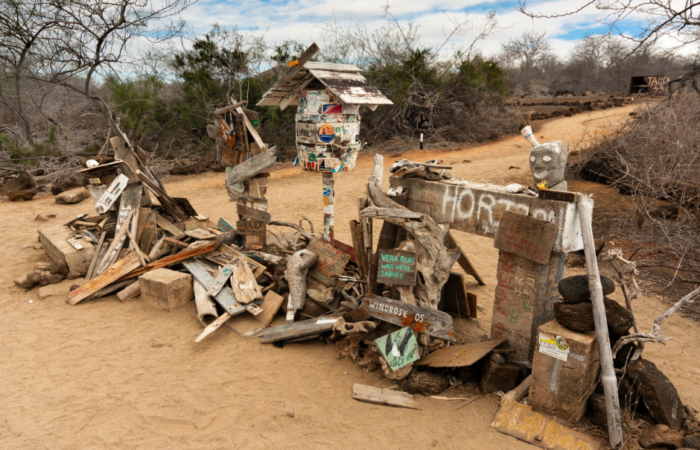
Post Office Bay – A Seafarer’s Secret
One of Floreana’s most iconic historic sites is Post Office Bay, a makeshift postal system started by 18th-century whalers. Using a wooden barrel as a postbox, sailors left letters for home, hoping that others heading in the right direction would deliver them—a tradition still alive today.
The existence of Post Office Bay proves that Floreana had long been an important stop for whalers and seafarers crossing the Pacific. It was a place to restock, gather freshwater, and leave messages for the world beyond the horizon.
Whalers, Pirates, and the Harsh Realities of Island Life
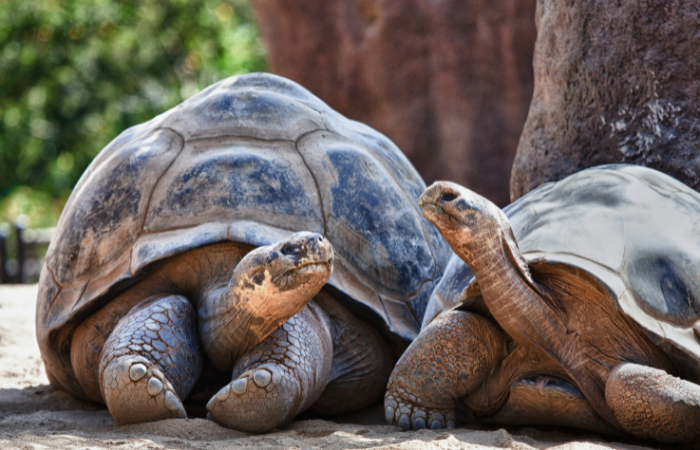
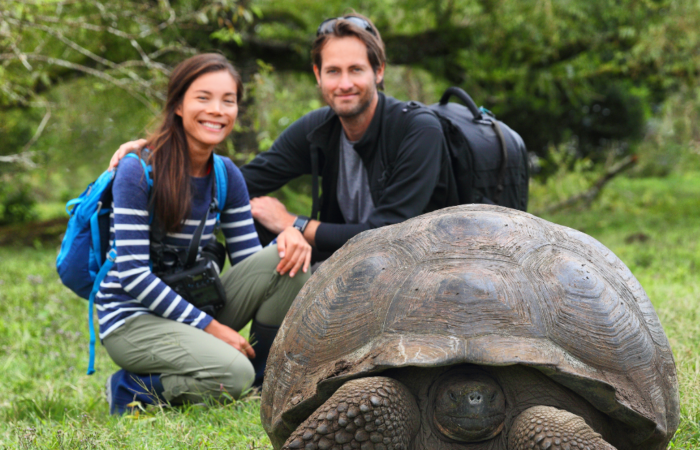
In the late 1700s and early 1800s, whalers, sealers, and pirates began frequenting the Galapagos Islands, including Floreana. These visitors were drawn by the abundance of giant tortoises—valuable for meat and oil—and the strategic location of the islands.
Floreana’s forests were exploited, freshwater springs depleted, and giant tortoise populations decimated. The island was both a refuge and a resource depot, but also a place of environmental damage, which shaped its ecosystem for decades.
Ecuador’s Claim and the First Settlers
In 1832, Ecuador officially annexed the Galapagos Islands, and General José de Villamil led the first colonization attempt on Floreana. The government established a penal colony and brought settlers, including soldiers, criminals, and farmers.
Life was harsh. The island’s volcanic terrain, limited resources, and isolation made survival difficult. The penal colony was eventually abandoned, but a few settlers remained, trying to build lives on the island. This marked the first long-term human habitation of Floreana.
Charles Darwin’s Visit in 1835
When Charles Darwin arrived on Floreana aboard the HMS Beagle in 1835, the island was sparsely populated. Darwin documented both the human settlement and the island’s flora and fauna, including its tortoises and unique plant species.
His observations on Floreana—though overshadowed by his work on Isabela and Santiago—were part of the body of evidence that would eventually inspire The Origin of Species. He also remarked on the challenges settlers faced, noting their resilience and isolation.
The Slow Descent into Silence
By the late 1800s and early 1900s, Floreana was a quiet and nearly forgotten place. Most of the original settlers had left or passed away. Occasionally, new settlers would arrive, hoping for a better life, only to leave again when faced with the island’s harsh realities.
And yet, this stillness was not the end—it was the calm before the storm.
Setting the Stage for the Galapagos Affair
The foundations for the Galapagos Affair were laid long before the 1930s. Isolation, limited resources, a hauntingly beautiful landscape, and a history of failed utopias created the perfect backdrop for the drama to come.
To see what came next—the strange disappearances, rivalries, and mysteries—don’t miss our follow-up blog on Floreana’s modern legacy:
👉 Click here to uncover what happened in 1934! A spectacular murder mystery story!
From Forgotten Island to Scandalous Fame
What began as a strategic whaling stop and experimental settlement slowly transformed into a dramatic stage for one of the Galapagos’ most infamous tales—the Galapagos Affair of the 1930s. The backdrop had already been set: isolation, hardship, wild beauty, and whispers of utopia. It was only a matter of time before new characters arrived to ignite the next chapter.
🌋 But the story doesn’t end with scandal.
Today, Floreana Island is a peaceful and enchanting place that still echoes the past. Curious travelers can visit the remnants of this history while enjoying the relaxed charm of the island, its wildlife, and the legacy of the people who once tried to tame it.
👉 Ready to see what happened after the Galapagos Affair?
Continue the story with our follow-up blog about modern-day Floreana Island and the lingering ghost of the Galapagos Affair:
Eden: Floreana’s History Returns to the Spotlight
Recently, the history of Floreana has once again captured the world’s imagination. This renewed fascination comes with the release of Eden, a major motion picture directed by Ron Howard. The film revisits the infamous events of the 1930s known as the Galapagos Affair, when dreams of paradise on Floreana unraveled into jealousy, power struggles, and mystery.
A Star-Studded Cast in a Tale of Survival
Eden brings Floreana’s past to life through an extraordinary cast. Jude Law steps into the role of Dr. Friedrich Ritter, the intellectual who sought a new life on the island. Sydney Sweeney portrays one of the settlers whose fate becomes entangled in the island’s dark twists, while Ana de Armas electrifies the screen as the enigmatic Baroness. Their performances carry the tension, romance, and inevitable downfall of this real-life drama.
What This Story Means for Terravelers Visiting the Galapagos Today
Floreana’s long and rugged past, from its early seafaring visitors to the first settlers, sets the stage for understanding not just the Galapagos Affair but the broader fragility of this remarkable place. The island’s history reveals an ecosystem that has always been shaped by isolation and resource limits, and those limits are still the rule today — not the exception.
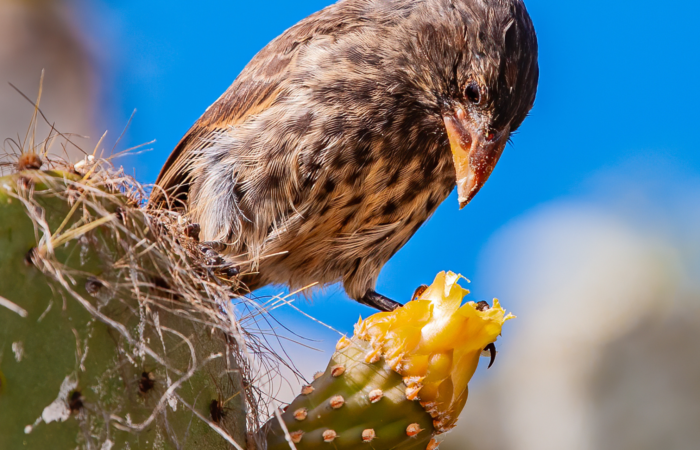
Now, climate change and stronger El Niño cycles add a new layer of vulnerability. Warmer seas and disrupted ecological cycles can rapidly unsettle food chains that took millennia to evolve. Marine iguanas, seabirds, and other endemic species can decline sharply when ocean temperatures rise, and the effects can ripple through the ecosystem in ways that are hard to reverse.
For terravelers, this context isn’t abstract. It explains why modern Galapagos tourism operates under strict regulations, limited visitor numbers, and carefully managed access. The islands you read about in history books are the same islands you see today — but they remain precious and fragile, their future shaped by forces both old and new.
Tons of Blogs, Travel Guides & Smart Tips!



Last updated: February 2026 · Written and reviewed by Christian Greiner, founder of Terra Sur Travels, based in Quito, Ecuador.