- The Galapagos Affair – A murder mystery story
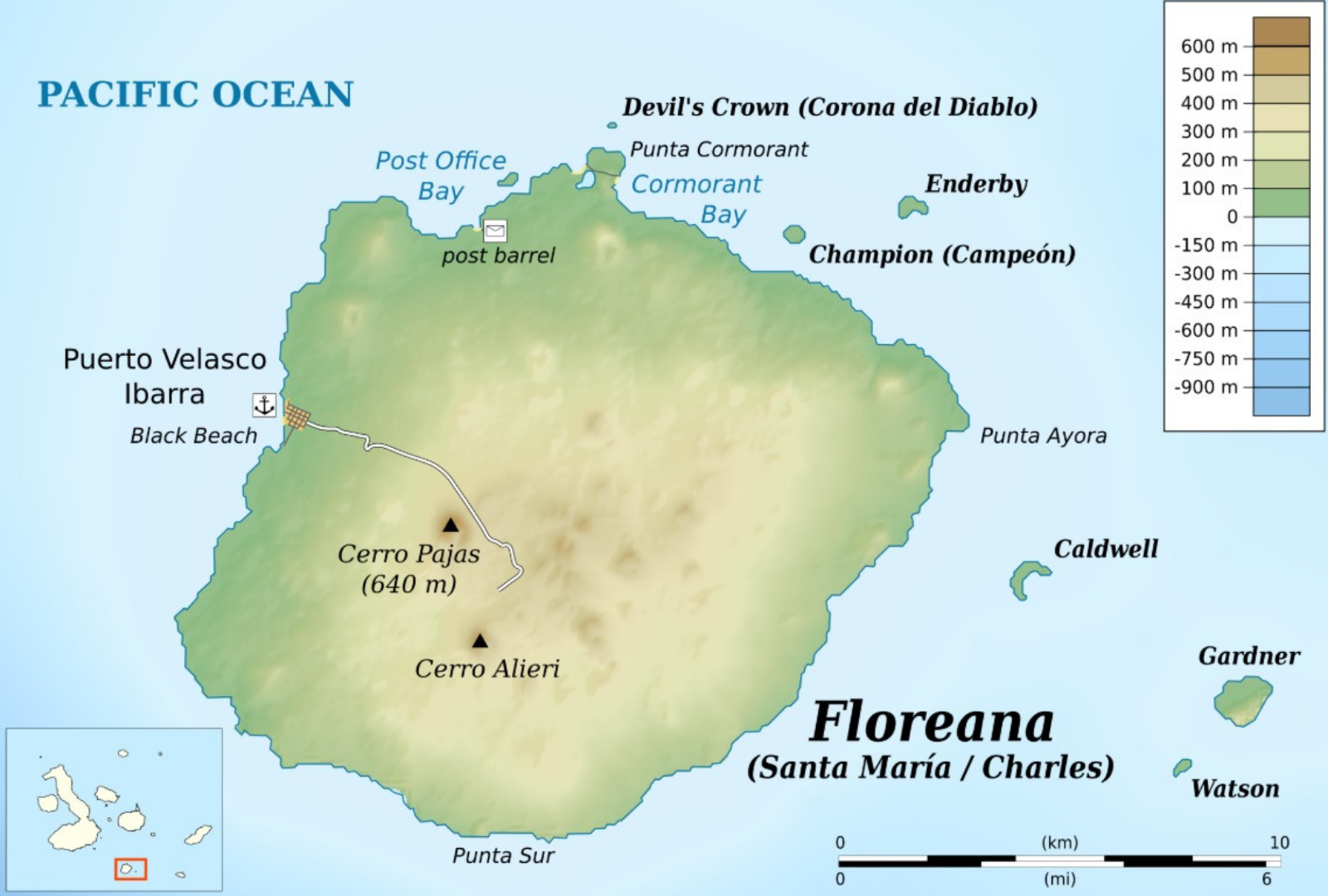
- Floreana Island – Ghosts of the Galapagos Affair
- Atahualpa’s treasure
- Floreana Island Travel Guide
- History of Floreana Before the Galapagos Affair
Estimated reading time: 9 minutes

A factual timeline of isolation, ambition, disappearance, and unresolved truth on Floreana Island
There are places in the world where history behaves politely—dates line up, causes lead cleanly to effects, and conclusions feel earned. Floreana Island is not one of those places.
Here, in the far southern reaches of the Galapagos Islands, history fractures. Testimony contradicts testimony. Diaries blur into propaganda. Silence becomes as important as speech.
For terravelers, the so-called Galapagos Affair is often presented as a gothic footnote: a baroness, disappearances, poison, paranoia. That version sells mystery—but it obscures truth.
This page does something different.
What follows is a journalistic reconstruction, built chronologically, distinguishing documented fact from informed speculation, and grounded in primary accounts, later historical analysis, and modern scholarship. It is not sensational. It is not complete—because the truth never fully is.
But it is as honest as the record allows.
Floreana Island is sporadically inhabited by whalers, pirates, prisoners, and failed colonies.
No permanent, stable settlement endures.
The island gains a reputation for hardship, isolation, and abandonment.
By the 1920s, Floreana is uninhabited again—remote even by Galapagos standards, lacking infrastructure, fresh water systems, or reliable communication.
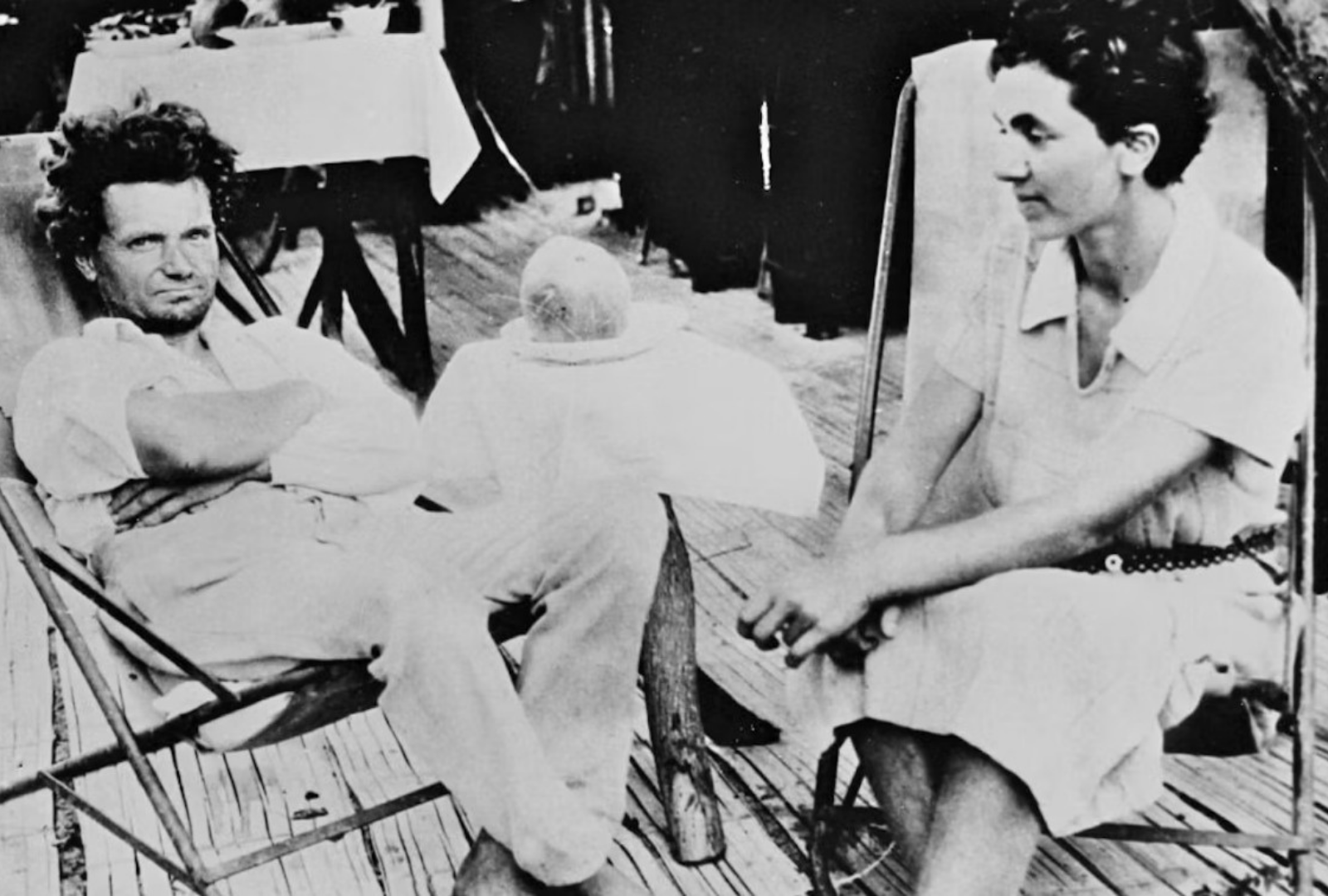
Dr. Friedrich Ritter and Dore Strauch, both German nationals, arrive on Floreana.
Ritter is a dentist and philosopher; Strauch, his patient and companion.
Their intention: a radical experiment in self-sufficiency, asceticism, and intellectual isolation.
They settle in the highlands.
They live primitively, cultivating crops, raising animals, rejecting modern comforts.
Ritter begins writing philosophical works.
Ritter presents himself in later writings as a rational pioneer. Other accounts portray him as domineering and emotionally volatile. Both can be true.
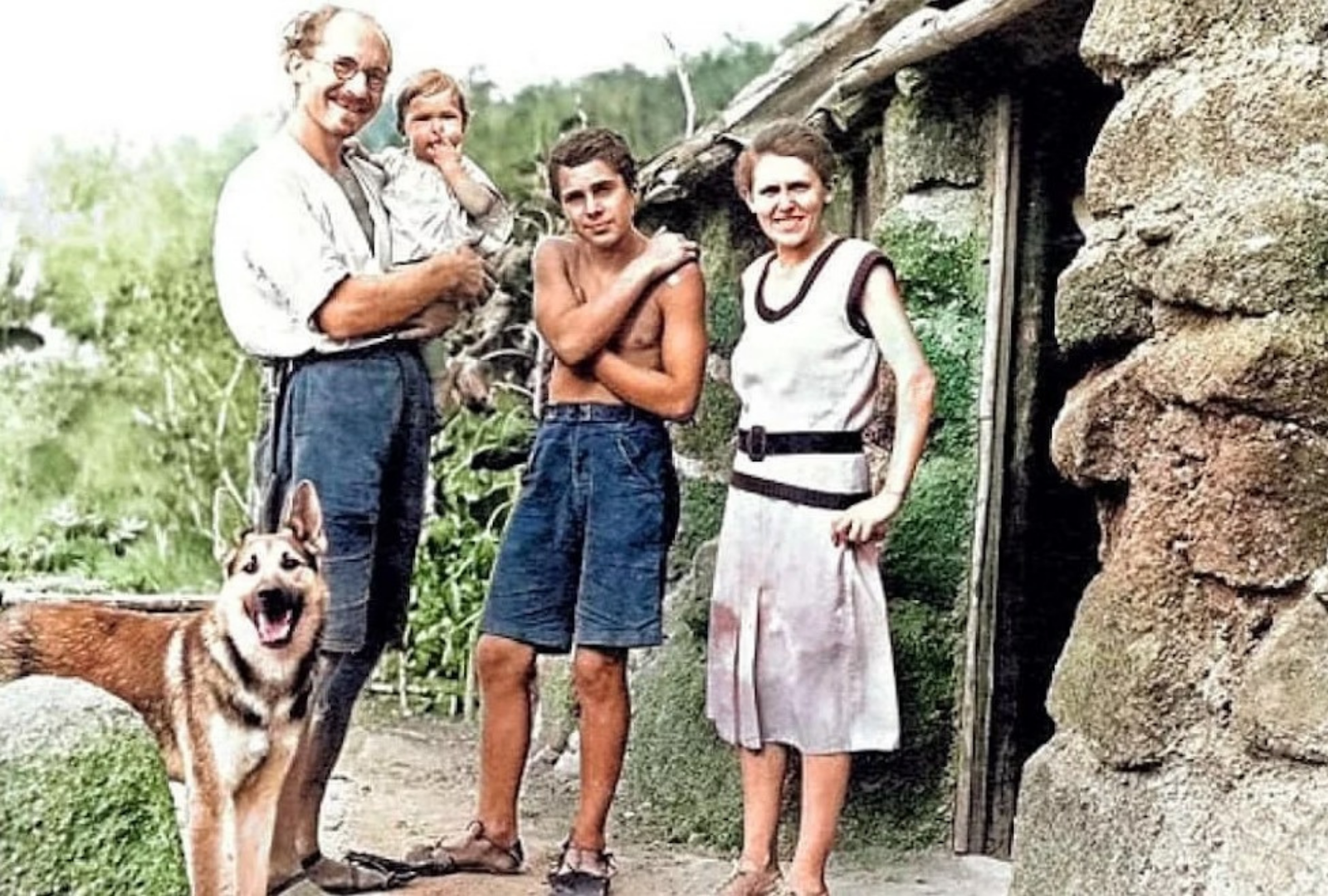
Heinz Wittmer, his wife Margret Wittmer, and Margret’s teenage son Harry arrive.
Unlike Ritter, the Wittmers seek practical survival, not philosophical withdrawal.
Initial relations between settlers are tense but functional.
The island now hosts two isolated households, separated geographically and ideologically.
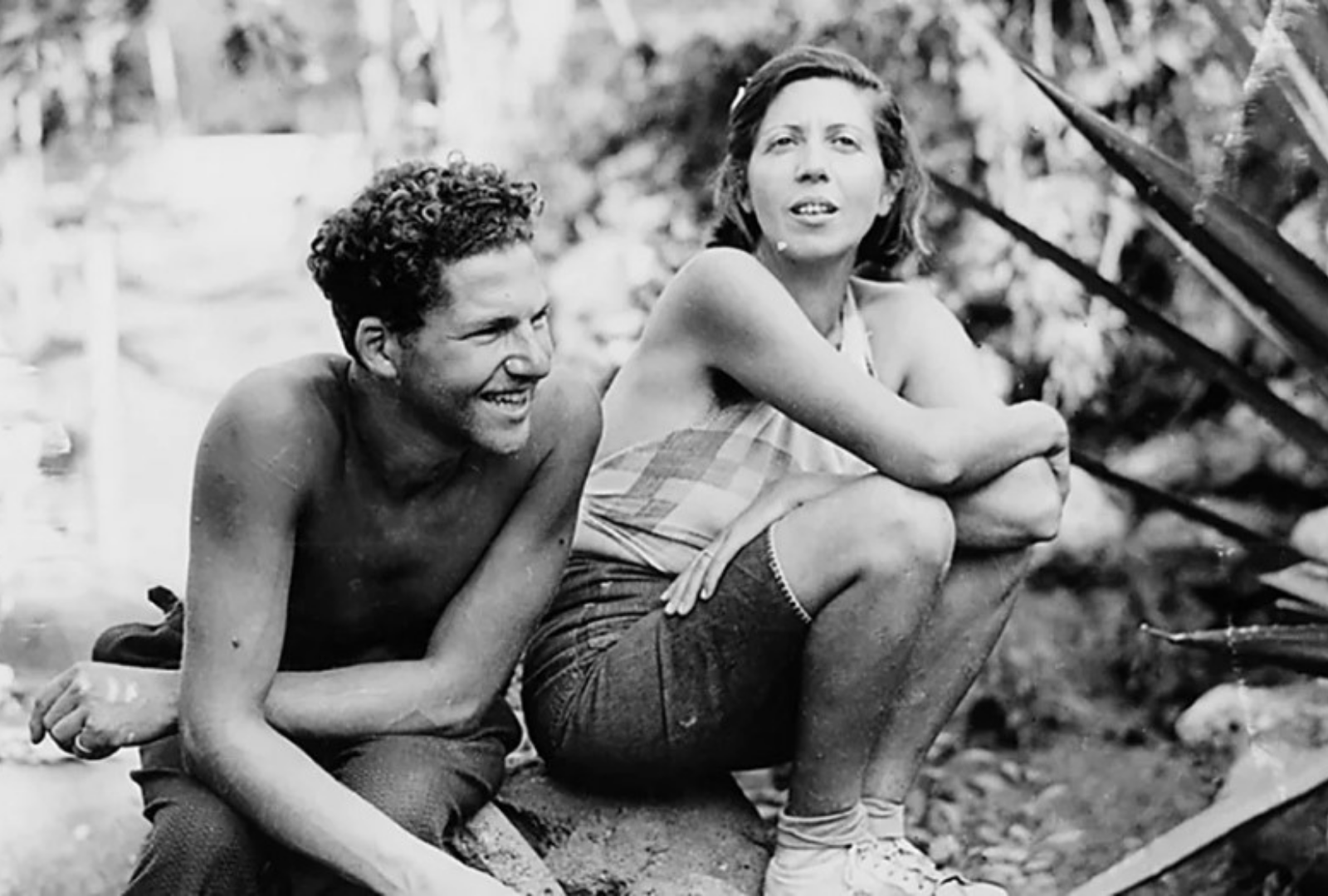
Eloise Wehrborn de Wagner-Bosquet, styling herself “The Baroness,” arrives with:
Robert Philippson
Rudolf Lorenz
Unnamed Ecuadorian laborer (soon departs)
The Baroness declares plans to build a luxury hotel called Hacienda Paradiso.
She carries firearms, wears provocative clothing, and courts attention from passing yachts.
She positions herself as the island’s ruler—socially, theatrically, and psychologically.
Multiple sources agree:
Her arrival destabilizes Floreana’s fragile equilibrium almost immediately.
Tensions intensify:
Allegations of theft
Sabotage of mail
Psychological intimidation
Lorenz reportedly suffers abuse and marginalization within the Baroness’s household.
Philippson remains fiercely loyal to her.
Settlers cease cooperation.
Armed confrontations are rumored but never conclusively documented.
Speculation:
Several later accounts suggest sexual jealousy, power struggles, and paranoia drove behavior—but these claims rely heavily on retrospective testimony.
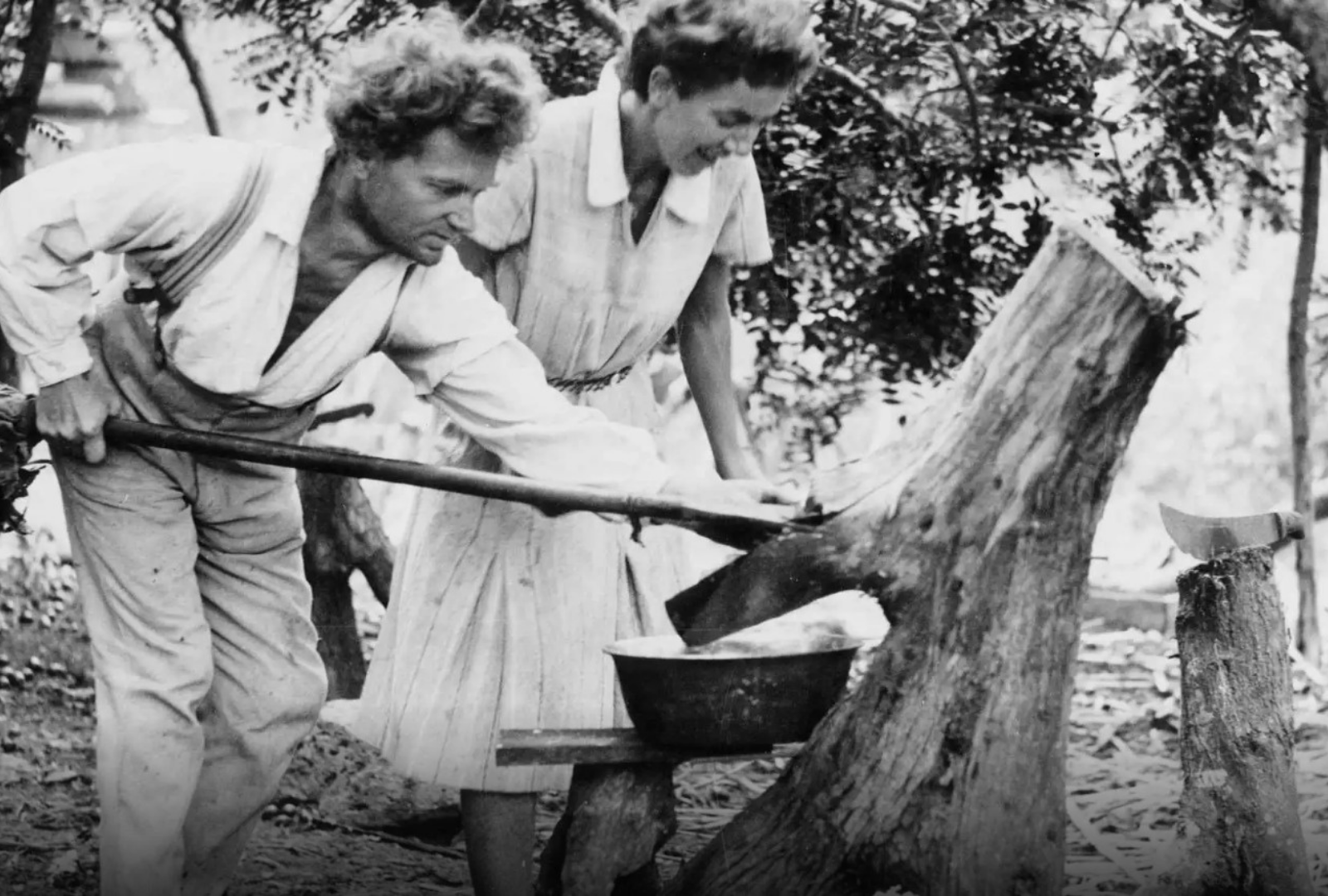
The Baroness and Philippson disappear.
Margret Wittmer’s testimony:
The Baroness allegedly announces departure on a yacht bound for Tahiti.
No ship captain ever confirms this.
No vessel matching the description is recorded in the area.
Confirmed facts:
The Baroness and Philippson are never seen again.
No physical remains are found.
No verified ship logs support their supposed departure.
Interpretive consensus among historians:
The Tahiti yacht story is almost certainly false.
Rudolf Lorenz leaves Floreana with Norwegian fisherman Nuggerud on a small boat.
They aim to reach San Cristóbal, then Santa Cruz.
Confirmed facts:
Their boat is later found adrift.
Both men vanish.
Mummified remains of Lorenz and Nuggerud are discovered on Marchena Island—far north, completely off course.
Confirmed fact:
They likely died of dehydration and exposure.
Unresolved question:
Why were they heading north, against logic and geography?
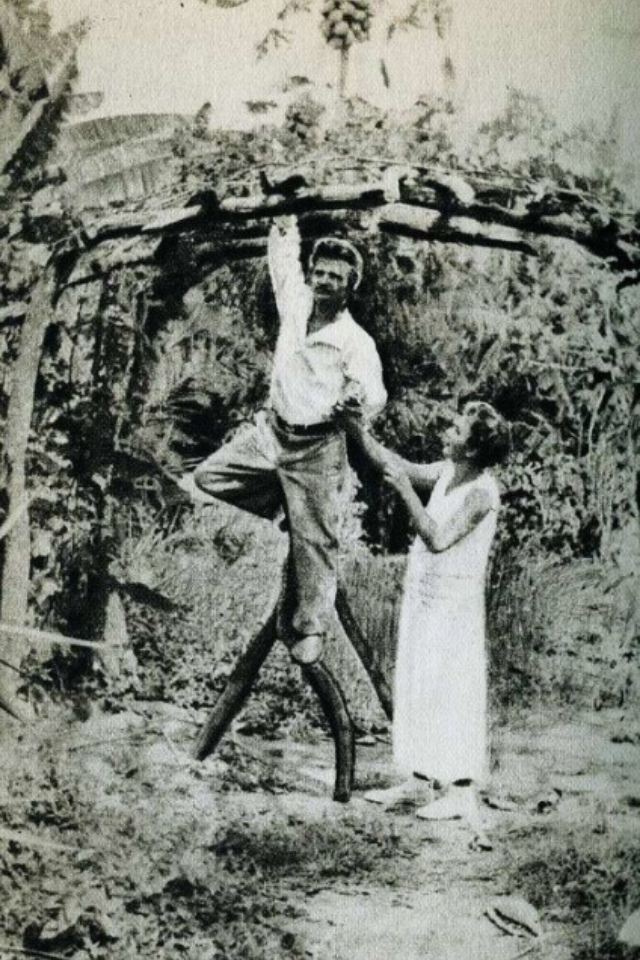
Dr. Friedrich Ritter dies.
Official cause: Food poisoning from improperly preserved chicken.
Contested interpretations:
Ritter was a strict vegetarian—making the explanation suspicious.
Strauch is accused, indirectly, of poisoning him.
No formal investigation occurs.
Confirmed fact:
Ritter is buried on Floreana. The truth of his death remains unresolved.
Dore Strauch leaves Floreana, physically and emotionally broken.
She later publishes her account, deeply critical of Ritter and the island experience.
The Wittmer family remains, raising children, building a functioning homestead.
Margret Wittmer later publishes her memoir, presenting stability, resilience, and silence.
Key contradiction:
Strauch and Wittmer offer irreconcilable narratives of the same events
Floreana becomes permanently settled.
Ecuador formalizes governance of the Galapagos.
The Affair enters legend, literature, and later film.
Modern scholarly view:
No single account is reliable in isolation. Truth exists only in overlap—and in what remains unsaid.
Having unpacked the strands of mystery, motivation, and misfortune that defined the Galapagos Affair, the bigger lesson for today’s terravelers is one of fragility and stewardship. The archipelago is a living, dynamic system shaped by isolation, extreme environmental pressures, and delicate ecological balances — and those features remain true today.
When climate change intersects with powerful El Niño years, the effects can be sudden and dramatic. Warm waters, disrupted ocean currents, and altered food availability challenge the very species that make these islands unique. Marine iguanas, birds, sea lions, and other endemic life can decline abruptly, creating ecological stress that reverberates through the entire system.
Understanding this helps terravelers see beyond the drama of history or cinema. It shows why conservation rules are strict, why access is controlled, and why responsible travel isn’t optional — it’s essential to safeguarding a place that is as vulnerable as it is extraordinary.
Last updated: February 2026 · Written and reviewed by Christian Greiner, founder of Terra Sur Travels, based in Quito, Ecuador.