- Ecuador Safety Update 2026 – Essential Information for Terravelers
- Contact us!
- Why Choose Us
- Travel Guides & Smart Tips
- Travel News & Destination Updates
Estimated reading time: 10 minutes

Ecuador. The name itself conjures grand mountain panoramas, river-carved Amazon wilderness, and the surreal Galápagos Islands, where evolution’s own masterpieces roam free. For us terravelers, this small gem on the equator has been a long-cherished destination—welcoming, accessible, and packed with natural wealth that few other countries on Earth can match.
Yet in recent years, global headlines and foreign government advisories have painted a markedly dramatic picture: rising crime, warnings, travel alerts, even occasional explosive incidents in major cities. That’s the flash headline. But between the lines lies a more nuanced reality.
This Blog Update aims to present a balanced and truthful assessment of the safety situation in Ecuador as of late 2025—especially from a traveler’s perspective—cutting through alarmism, clarifying facts with official sources, and giving terravelers practical, grounded guidance to plan their trips confidently, wisely, and safely.
International travel advisories have indeed updated warnings for Ecuador, and some of the language is strong. For example, the UK Foreign Office and several other governments currently advise exercising “a high degree of caution” in Ecuador due to crime and organized criminal activity.
There are also notes about avoiding travel to certain remote zones near borders or specific coastal regions due to heightened gang activity.
So yes: official websites use firm language aimed at protecting their citizens, and the situation is different than it was a decade ago. But this is not an all-or-nothing story. The way these advisories are written is deliberately broad and encompasses entire provinces that include both dangerous zones and safe areas people never visit. Government travel advisories err on the side of caution—and sometimes vividly so.
For terravelers planning an Ecuadorian adventure, the truth is this:
Safety varies drastically by location, context, and behavior.
Simply reading an advisory without context can make Ecuador seem far more perilous than it actually is on the ground for most visitors.
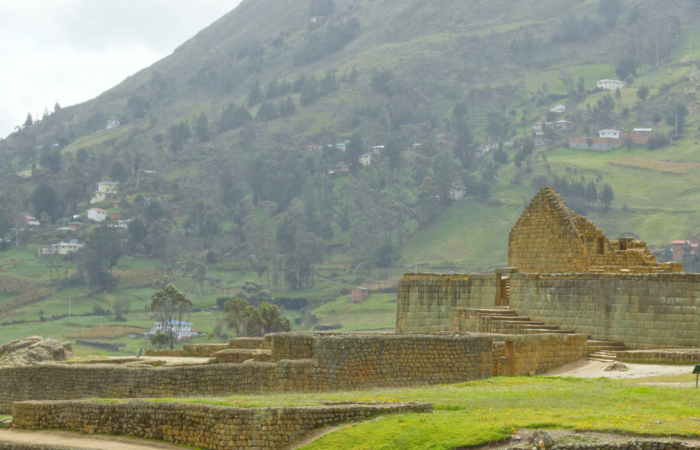
This is the Ecuador most terravelers think of first: broad valleys rimmed by volcanoes, colonial cities rich with culture, and roads that wind to jagged horizons.
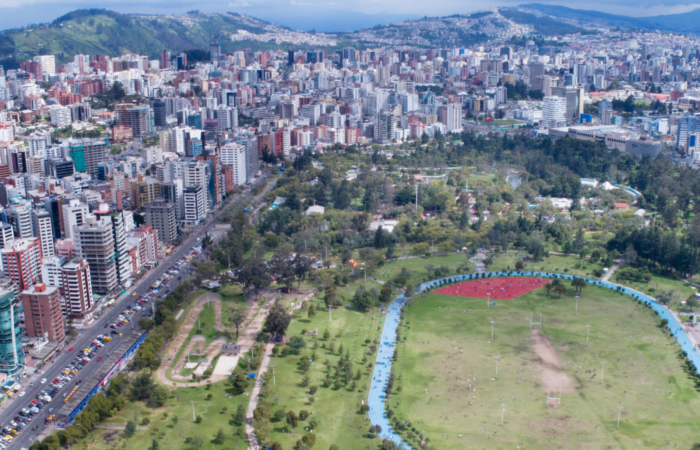
In these highland cities and towns, most visitors experience typical urban life without incident. Pickpockets do exist, especially in crowded plazas, markets, and transport terminals—the kind of petty crime that happens in capitals and big cities everywhere.
But violent crime targeting tourists in the Andean region—whether Quito, Cuenca, Ambato, or Riobamba—is both rare and generally avoidable with common-sense precautions:
Stay aware of your surroundings.
Don’t walk alone in isolated areas at night.
Keep valuables secure and out of sight.
That’s basic travel safety everywhere, whether in Berlin or Bogotá.
It is absolutely not the case that tourists are being routinely harmed simply for traveling around these beautiful Andean regions.
Local intelligence and tourism operators consistently report that daytime city streets, guided tours, national parks like Cotopaxi or Chimborazo, and cultural sites are well within safe norms for visitors who respect local guidance.
The Amazon basin in Ecuador—the lifeblood of biodiversity and ancestral cultures—is not only breathtaking, it is also travelable. Guided lodge stays, river excursions, and wildlife safaris are all conducted without major incident for well-prepared visitors.
Yes, there are remote areas deep in the jungle where state presence is minimal, and news outlets have reported criminal groups in some border zones with Colombia and Peru. Travel.gc.ca But these rarely overlap with established tourism circuits like Cuyabeno, Yasuni, Napo, or Tena-based lodges.
Traveling here with reputable guides not only enhances your experience—it vastly increases your safety. These operators know how to navigate local conditions, communicate with communities, and ensure your itinerary avoids any areas of concern.
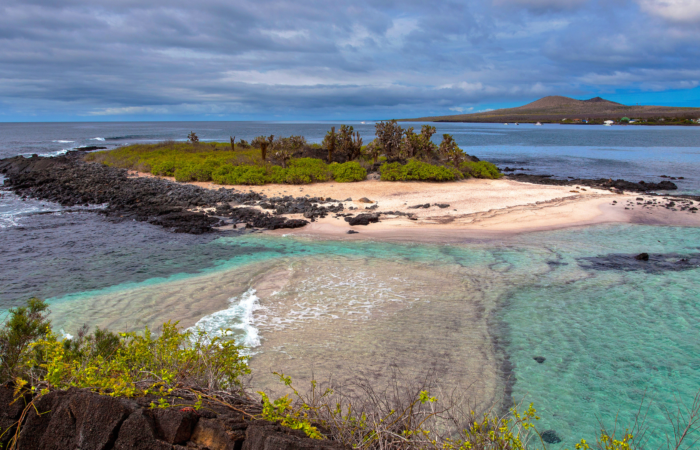
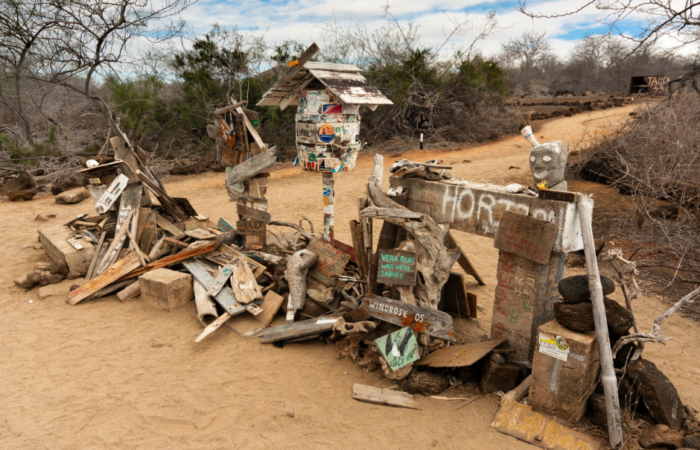
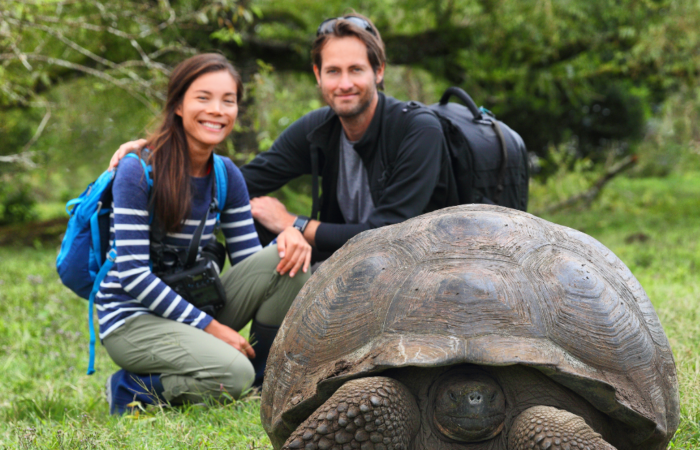
Let’s be unequivocal: the Galápagos Islands remain among the safest places in Ecuador for international visitors. The archipelago’s infrastructure, visitor services, official protections (including park rangers and tourism regulations), and focused tourism economy make it far less exposed to crime trends that might touch the mainland.
For families, photographers, naturalists, and adventure seekers alike, the Galápagos continue to offer overwhelmingly positive, secure travel experiences.
Here is where news reports have been most persistent in warnings. Some official advisories have used phrases like “avoid all but essential travel” for stretches of the Pacific coast provinces—Esmeraldas, Manabí, Santa Elena, and large parts of Guayas—based on overall regional security data.
What these advisories fail to communicate clearly to casual readers is how vast these provinces are. The Pacific coast of Ecuador stretches for hundreds of kilometers, with big cities, small fishing towns, and scattered beaches. The risks tend to concentrate in specific urban neighborhoods or criminal hotspots far away from where mainstream tourism occurs.
Four key points for terravelers:
Mainstream beach destinations like Salinas, Olón, Mompiche, and others popular with international tourists are not synonymous with gang conflicts.
The dangerous areas cited in some advisories are often neighborhoods or zones that are not visited by tourists at all.
Daytime beach activities, boat tours, whale watching, and resort stays continue to be routine and uneventful for visitors.
Travelers should check with local contacts and guides about specific towns, avoid wandering into unfamiliar neighborhoods unaccompanied after dark, and always plan onward transport in advance.
By preparing appropriately and not conflating an entire coastal province with its worst micro-zones, you preserve the magic of Ecuador’s west coast without irrational fear.
There has indeed been an increase in homicide statistics and gang activity in Ecuador over recent years, often linked to transnational drug trafficking routes and disputes among criminal groups. Reuters and other major outlets have documented spikes in violence that prompted state actions and elevated police visibility.
But here’s the caveat every terraveler needs to understand: these statistics primarily reflect local criminal conflicts between gangs and drug networks, not targeted attacks on foreign tourists. Most violent crime victims are Ecuadorians caught in broader social dynamics far removed from where typical visitors travel and sleep, hike, dine, and explore.
A traveler isn’t hunting for safe routes through cartel territories—terravelers visit parks, coastlines, city centers in daylight, museums, volcano trails, lodges, and rivers. In those contexts, the reality on the ground is that tourists continue to visit Ecuador in great numbers, safely and without incident, every day.
Myth: “Ecuador is too dangerous to visit.”
Fact: The country has higher crime in certain zones, but most terravelers travel safely if they stick to well-known destinations, follow basic precautions, and avoid isolated areas at night. Official advisories are conservative; they do not reflect typical tourist experiences.
Myth: “Tourists are being kidnapped regularly.”
Fact: Reports of express kidnappings have increased in local communities, but international visitors following standard travel behavior are overwhelmingly not victims. Most kidnappings involve Ecuadorians in criminal disputes, not travelers.
Myth: “Travel is being advised against everywhere.”
Fact: Some government advisories do indeed suggest avoiding specific provinces in coastal and border regions, but this does not automatically translate to every beach town, tourist resort, or national park.
Here’s what experienced travelers and local operators recommend:
Awareness of your surroundings and confidence go a long way. Ecuador’s people are warm and welcoming; crime rarely involves visitors who are cautious and respectful.
Pre-arrange transfers, know your accommodation’s security measures, and keep emergency contacts handy. Apps and hotel recommendations can help.
Avoid showing large amounts of cash or expensive items in public. Keep copies of your passport in a separate place from the original.
Whether in the Amazon, the Andes, or beach regions, local guides are your best safety assets. Terravelers who connect with reputable operators enjoy greater peace of mind and richer experiences.
If local authorities advise avoiding demonstrations, remain indoors during unrest, or modify itineraries due to weather or road closures, heed that advice.
Ensure your policy includes medical coverage, evacuation, and support in unexpected situations.
Ecuador’s security discourse has shifted in the last two years, and broader advisories reflect statistical risk indicators, not daily travel reality for the vast majority of visitors. As terravelers, it’s our job to read advisories critically and to approach destinations with prepared curiosity, not paralyzing fear.
The Andean highlands, the Amazon rainforest’s gentle chorus, and the surreal Galápagos landscapes remain deeply accessible, breathtaking, and fundamentally safe for well-informed visitors. By aligning respect for local norms, situational awareness, and smart planning, you can experience Ecuador’s wild wonders with confidence.
In the end, headlines are not the territory. Ecuador is still one of the most rewarding travel destinations on the planet. And it is safe—when approached thoughtfully.
Sources:
UK Foreign Travel Advice – Ecuador safety and regional risks
Australian SmartTraveller – Ecuador travel advice