When Not to Travel: Why Staying Home Can Be the Most Responsible Choice
Travel is often portrayed as an unquestioned good — a reward, a rite of passage, a marker of success or freedom. But thoughtful travel begins with a harder question: should you go at all? Sometimes, the most responsible decision is not to travel, or to postpone a journey until conditions align more honestly.
This guide is not meant to discourage curiosity or exploration. It exists to bring clarity. Travel, when done well, can be meaningful and transformative. When done poorly — or at the wrong time — it can harm fragile environments, strain local communities, and leave travelers frustrated rather than fulfilled.
Knowing when not to travel is part of traveling well.
1. When the motivation is escape, not engagement
Travel driven by burnout, avoidance, or the hope that a change of scenery will “fix” deeper issues often leads to disappointment. Long flights, unfamiliar environments, and logistical stress tend to amplify emotional strain rather than resolve it.
If travel is being used as an escape rather than a conscious choice, staying put — or choosing rest closer to home — is often the healthier option. Travel demands presence, patience, and curiosity. Without those, even the most beautiful destination can feel hollow.
2. When expectations are shaped by social media, not reality
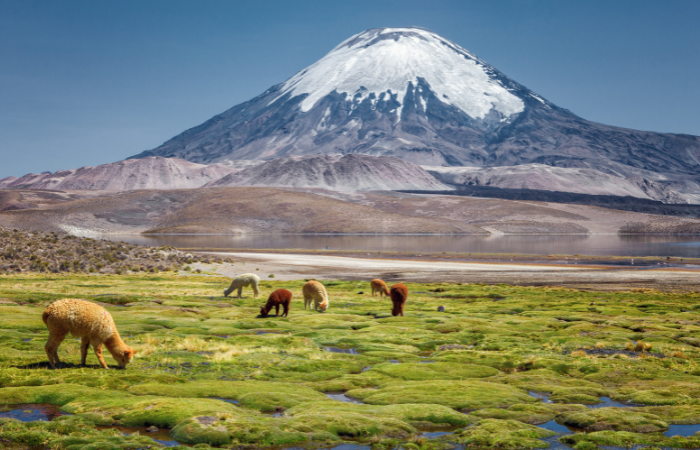
Destinations across South and Latin America are frequently reduced to images: pristine beaches, smiling locals, dramatic landscapes without context. These portrayals rarely show infrastructure limits, climate variability, cultural complexity, or the everyday realities of life on the ground.
When expectations are built on curated visuals rather than informed understanding, travel often turns into frustration — for visitors and hosts alike. If flexibility, adaptation, and curiosity are not part of the mindset, postponing travel is the more respectful choice.
3. When environmental conditions are fragile or extreme
Climate change has fundamentally altered travel realities, especially in biodiversity-rich regions. In parts of South and Latin America, extreme weather events, prolonged droughts, floods, heatwaves, and ecosystem stress are no longer exceptions — they are patterns.
There are times when:
Wildlife is under acute stress
Access to protected areas is restricted
Water and energy resources are strained
Communities are prioritizing recovery over tourism
Traveling during such periods can place unnecessary pressure on places that need time to recover. Responsible travel includes knowing when absence is more supportive than presence.
4. When regulations feel like obstacles instead of safeguards
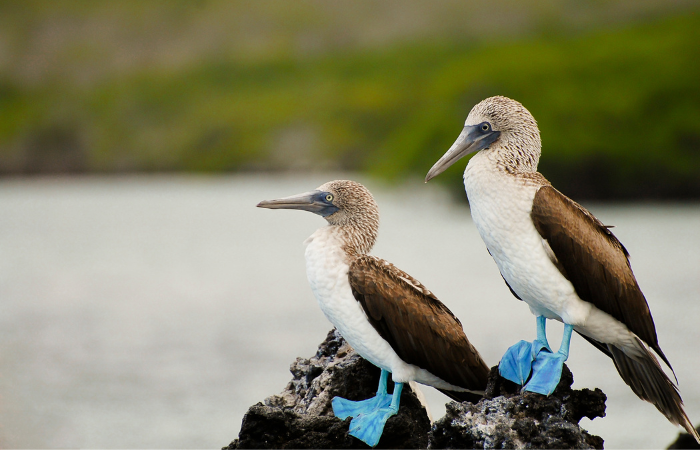
Destinations such as the Galapagos exist today precisely because access is regulated. Visitor limits, mandatory guides, fixed itineraries, and strict rules are not inconveniences — they are conservation tools.
If travelers are unwilling to accept restrictions, schedules, or limitations, the experience is likely to feel frustrating rather than enriching. In these cases, choosing a different destination — or not traveling at all — is more respectful than attempting to bend rules designed to protect fragile ecosystems.
5. When time constraints force rushed, extractive travel
Short trips covering long distances often come at a cost: rushed schedules, excessive flights, superficial encounters, and high environmental impact. In regions where travel involves complex logistics, long distances, or sensitive environments, limited time can turn travel into consumption rather than connection.
If the only available timeframe forces a hurried approach, waiting until there is space to travel more slowly is often the wiser choice.
6. When personal preparedness is underestimated
Travel in South and Latin America can involve:
High altitudes
Remote regions
Variable infrastructure
Language barriers
Limited medical facilities in rural areas
Travelers who are not prepared — physically, mentally, or logistically — may find themselves overwhelmed. Responsible planning includes honest self-assessment. There is no failure in acknowledging that a destination may not be suitable right now.
7. When safety or political stability is uncertain
While many regions in South and Latin America are safe to visit when planned thoughtfully, conditions can change. Elections, protests, regional instability, or sudden policy shifts may affect travel safety or accessibility.
Ignoring such realities in the pursuit of a planned trip often leads to stress and compromised experiences. In some cases, postponing travel is not only prudent but respectful toward local communities navigating complex circumstances.
8. When travel would place strain on local communities
Tourism can bring economic opportunity — but it can also exacerbate inequality, inflate prices, and strain housing, transportation, and resources. In smaller communities or sensitive regions, even well-intentioned travel can have unintended consequences.
Responsible travel means recognizing when destinations need space, not visitors.
9. When curiosity is absent
Perhaps the simplest reason not to travel: a lack of genuine interest in understanding a place on its own terms. Travel without curiosity risks becoming extractive — taking experiences without engaging with context, people, or responsibility.
Staying home until curiosity returns is a valid and often overlooked choice.
Choosing not to travel is also a form of respect
Not traveling is rarely framed as a thoughtful decision. Yet restraint, patience, and timing are central to ethical travel. Choosing not to go — or not to go yet — reflects awareness of personal limits, environmental realities, and the evolving challenges faced by many destinations.
Good travel is not about going everywhere. It is about going well.
A final note for terravelers
At Terra Sur Travels, we believe responsible planning sometimes means advising against travel. Not every destination is right for every traveler, and not every moment is the right moment to go.
If you are unsure whether travel makes sense for you right now, that uncertainty is not a weakness. It is the beginning of thoughtful decision-making — and often, the first step toward a better journey in the future.
Check this link out as well: UNESCO World Heritage Center