- Travel News & Destination Updates
- Simple Travel Tips Everyone Should Know
- Quito, Ecuador – A city guide
- Is Latin America a safe travel destination?
- Blog
Estimated reading time: 21 minutes

There are many ways for a country to prepare for a World Cup.
Some nations unveil new jerseys. Some spend weeks arguing about the national team lineup. Some produce emotional television commercials full of flags, slow-motion goals, and dramatic music that makes every corner kick feel like the Battle of Troy.
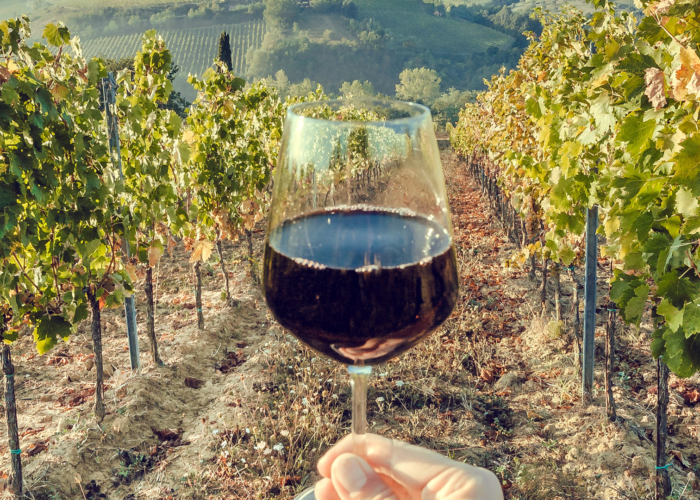
Ecuador, however, has added something else to the 2026 World Cup mood: cheaper beer.
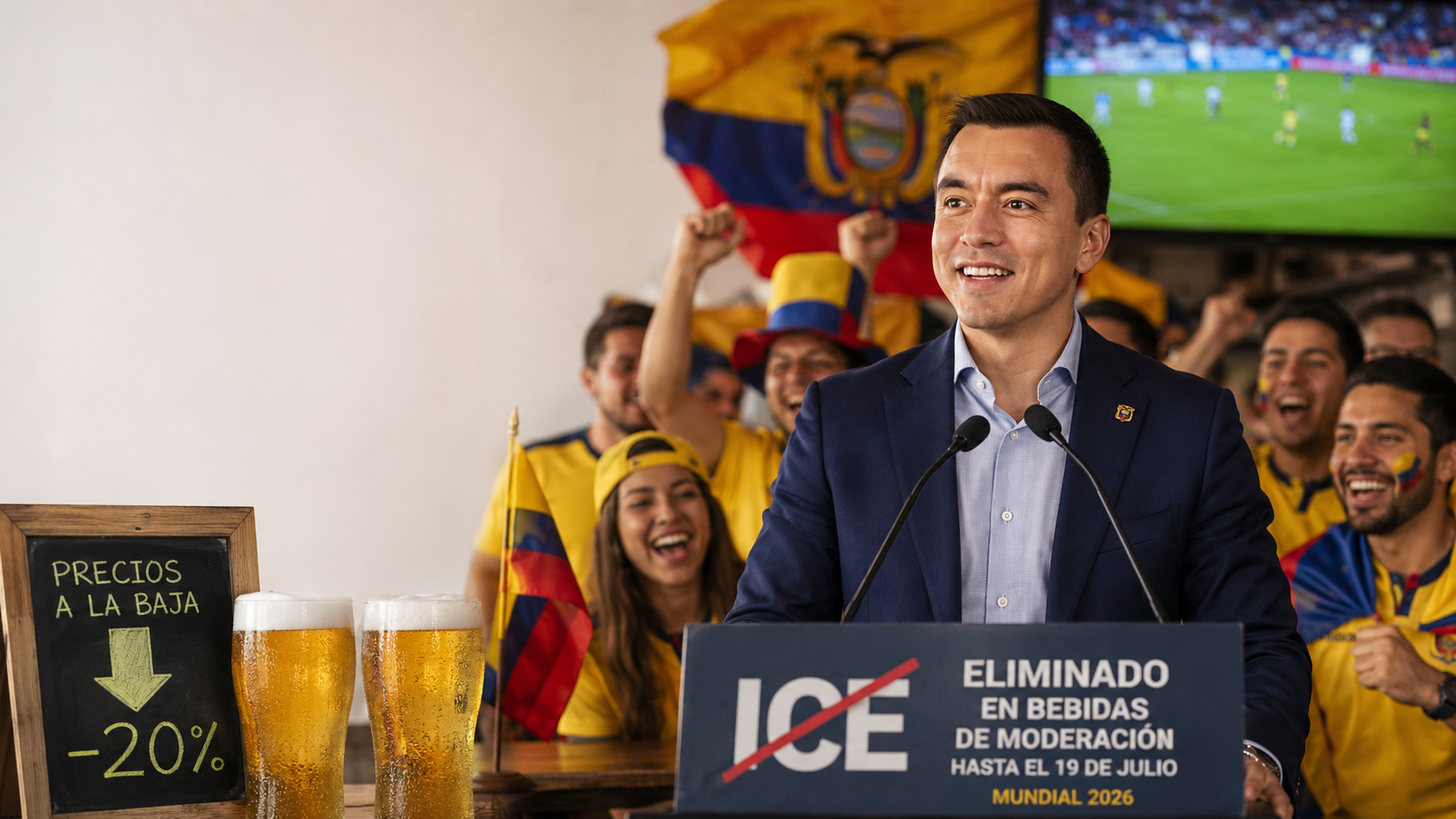
On June 11, 2026, Ecuadorian President Daniel Noboa announced that the government would temporarily remove the ICE tax — the Impuesto a los Consumos Especiales — from “bebidas de moderación,” including beer, during the World Cup. The measure is set to apply until July 19, 2026, the day the tournament ends. According to Noboa, the move should reduce the price of beer by more than 20%.
That is the kind of travel news that does not usually appear between “best time to visit the Galapagos” and “what to pack for the Andes.” But sometimes Ecuador does what Ecuador does best: it turns a political announcement into a social event, a tax measure into a bar conversation, and football into a national weather system.
For terravelers currently in Ecuador — or arriving during the World Cup — this is one of those small, curious, very local details that makes a trip feel alive. It will not change the route between Quito and the Amazon. It will not shorten the boat ride in the Galapagos. It will not make Cotopaxi any less high or the Pacific any less wild.
But it may make your next cold beer during an Ecuador match a little cheaper.
And in a country where football can stop conversations, rearrange dinner plans, and transform a quiet neighborhood bar into a yellow-shirted thunderstorm, that is not nothing.
The announcement was made by President Daniel Noboa during an event in El Empalme, in the province of Guayas, on June 11, 2026.
The basic idea is simple: during the 2026 World Cup, Ecuador will temporarily remove the ICE tax from certain alcoholic drinks described locally as “bebidas de moderación.” This category includes beer. The measure is expected to remain in place until July 19, 2026.
The ICE tax is a special consumption tax applied to certain goods in Ecuador. Depending on the product, it can affect final consumer prices. By removing it temporarily from beer and similar drinks during the tournament, the government expects prices to fall. Noboa said beer could become more than 20% cheaper.
Now, does that mean every single beer in every single bar, restaurant, shop, and stadium-style viewing corner will instantly become exactly 20% cheaper?
Probably not.
This is Ecuador. Reality usually wears hiking boots and takes the scenic route.
Some supermarkets may adjust quickly. Some bars may pass on the reduction. Some restaurants may keep prices stable because service costs, rent, logistics, staff wages, and old-fashioned business instinct still exist. Imported products, craft beers, tourist-area prices, and event-night menus may behave differently.
So the honest answer is: beer should become cheaper in many places, but terravelers should not walk into every bar in Quito, Cuenca, Baños, Mindo, or Montañita with a calculator and the moral outrage of a tax auditor.
A better approach: enjoy the news, check the menu, ask politely, and remember that the final price in a bar is rarely just the tax printed in a government document.
At first glance, this sounds like a fun local headline. And yes, it is fun. There is something beautifully theatrical about announcing a beer tax cut during a football tournament in a country that treats the national team with the emotional seriousness usually reserved for family, volcanoes, and weather forecasts.
But for travelers, this small update opens a useful window into Ecuadorian culture.
Football here is not just a sport. It is a shared ritual. When Ecuador plays, the streets change rhythm. In Quito, office workers suddenly become tactical analysts. Taxi drivers debate substitutions as if they personally trained the midfield. In small towns, televisions appear in restaurants that normally play music videos. In coastal cities, match day can feel like a festival that forgot to request official permission.
For terravelers, this means that watching a World Cup match in Ecuador can be a surprisingly memorable travel experience.
You may arrive for the mountains, the Amazon, or the Galapagos — and end up remembering the old man in the corner of a bar who predicted the goal three minutes before it happened, the waitress who shouted louder than the entire table, or the stranger who explained Ecuador’s defensive line using napkins, beer caps, and a level of passion no PowerPoint presentation has ever achieved.
Travel is not only about landscapes. It is also about timing. And being in Ecuador during a World Cup is timing with a drumbeat.
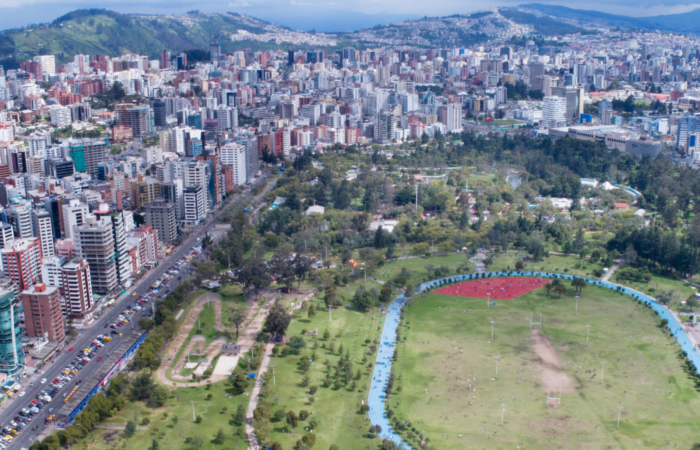
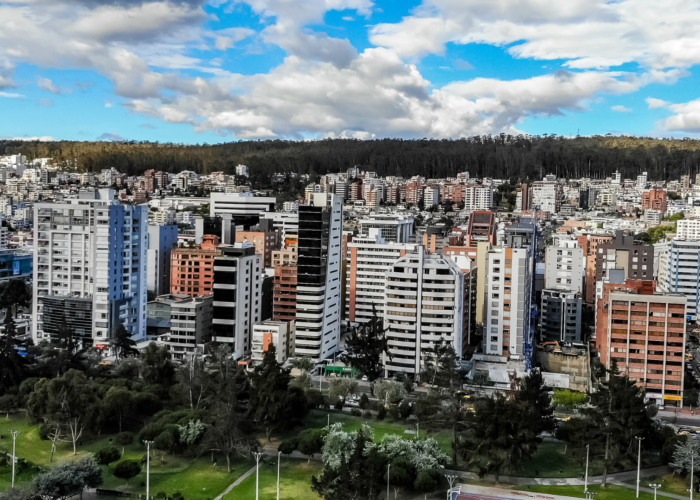
If you are in Quito, the best places to feel the football atmosphere are usually lively restaurants, breweries, sports bars, and neighborhood cafés with large screens. Areas such as La Floresta, La Mariscal, González Suárez, Cumbayá, and the surroundings of La Carolina can be good options, depending on your travel style and where you are staying.
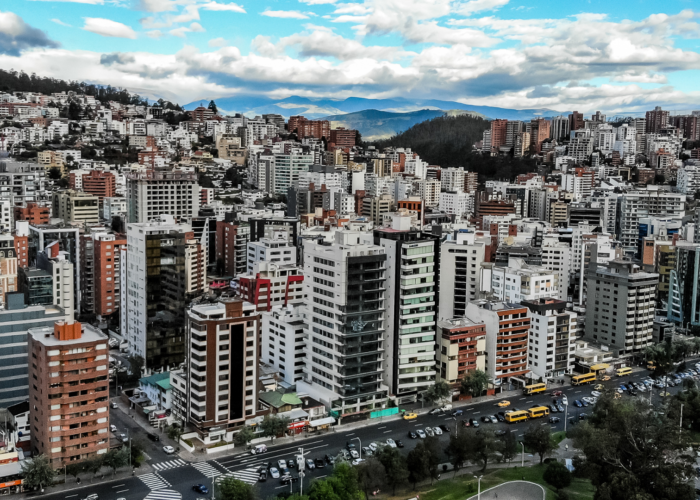
For terravelers who prefer a more relaxed setting, a hotel bar or a restaurant with outdoor seating can be a safer and more comfortable option than a packed nightlife district. Quito is a fascinating city, but like any large capital, it rewards common sense. Keep your phone close, use registered transport, avoid wandering drunk through empty streets at night, and do not assume that a football victory makes every neighborhood equally safe at 1 a.m.
In Cuenca, the atmosphere is often more relaxed, elegant, and walkable, especially around the historic center. In Baños, expect backpackers, adventure travelers, locals, and waterfall dust all mixing into one loud sporting soup. On the coast, especially in beach towns, football can become a warm, sandy, late-night affair.
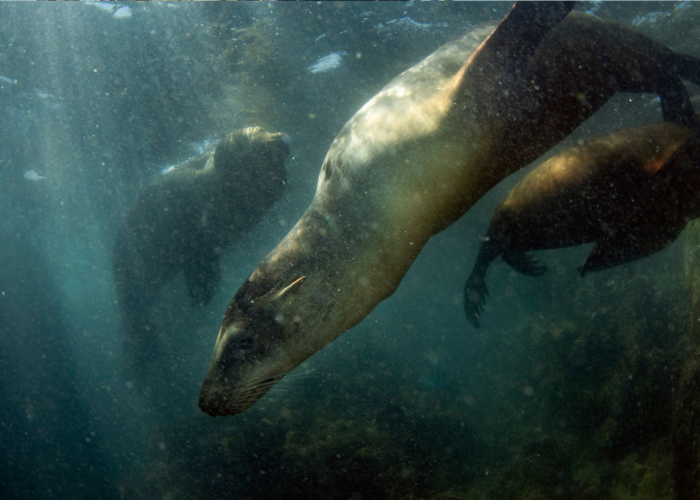
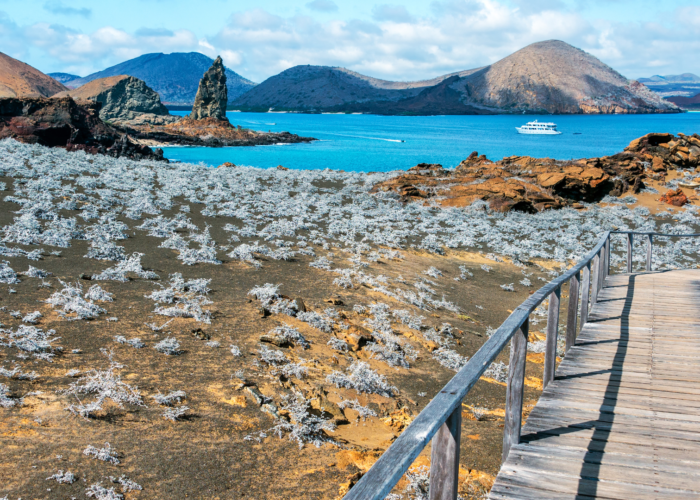
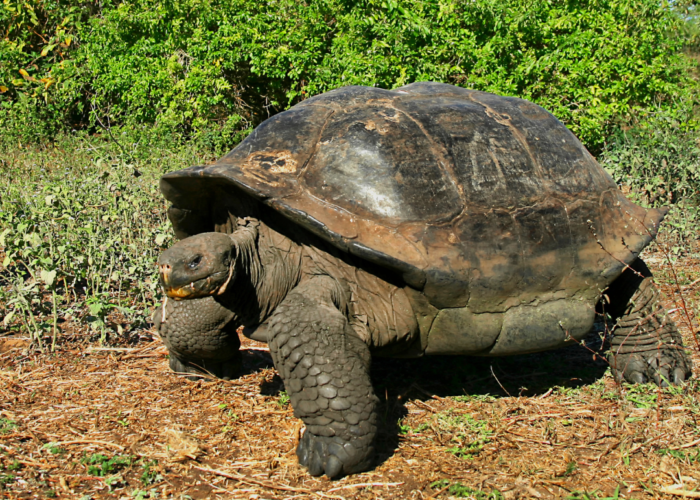
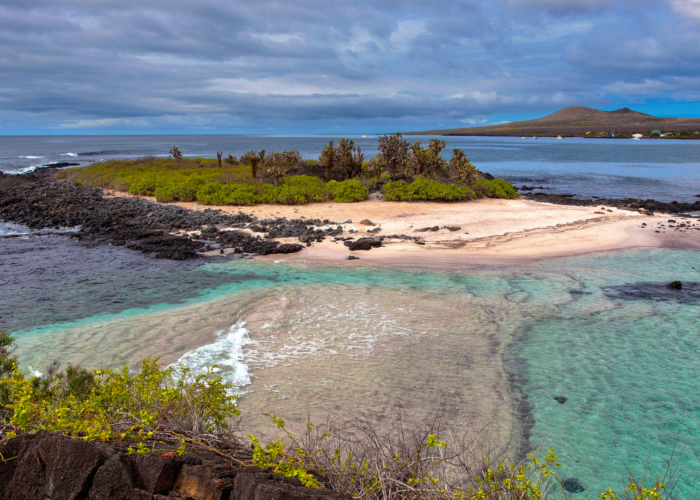
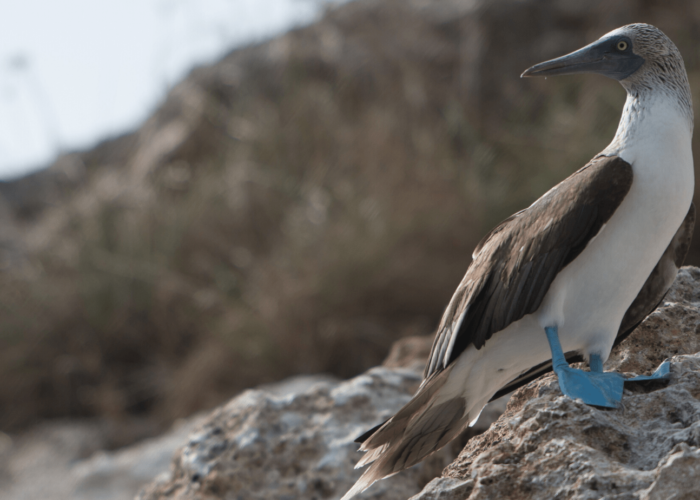
In the Galapagos, the mood is different again. You will not find the same urban football fever as in Quito or Guayaquil, but restaurants and hotels may show important matches. Watching Ecuador play after a day of sea lions, lava rocks, snorkeling, and blue-footed boobies is one of those strange travel combinations that only makes sense once you are there.
Let us be adults for one serious paragraph.
A lower beer price does not mean alcohol suddenly becomes harmless. Ecuador is a high-altitude country in many regions, and alcohol can hit harder in places like Quito, which sits at around 2,850 meters above sea level. If you have just arrived, are adjusting to altitude, have a hike planned the next morning, or are heading toward Cotopaxi, Chimborazo, Quilotoa, or any serious Andean route, drink with caution.
Altitude, dehydration, long travel days, and alcohol are not a legendary travel cocktail. They are more like a small bureaucratic committee working together to ruin your morning.
If you are in Quito during the World Cup, enjoy the atmosphere, drink water, eat properly, and do not make the classic traveler mistake of confusing “I feel fine” with “I will still feel fine at 4 a.m.”
For terravelers joining guided tours, early transfers, Amazon flights, Galapagos departures, or mountain programs, moderation is not only a moral word printed on a government category. It is practical survival.
Your guide, your driver, your stomach, and your future self will all thank you.
This temporary beer tax cut is not the most important political story in Ecuador. It is not the deepest economic reform. It will not define the country’s future. Nobody should confuse cheaper beer with solved infrastructure, improved security, or magical national unity.
But it does reveal something real about Ecuador: this is a country where public life, football, family, politics, and daily pleasure often overlap in colorful, unpredictable ways.
Ecuador can be serious and chaotic, warm and complicated, bureaucratic and deeply human. One day you may be discussing road conditions in the Andes. The next day you are reading that the president has announced cheaper beer for the World Cup. It is absurd, charming, strategic, popular, and slightly comic — all at once.
That is also why Ecuador is such a fascinating destination.
It is not a polished theme park. It is not a sterile postcard. It is a country of volcanoes and cloud forests, market towns and Amazon rivers, colonial churches and modern cafés, rough edges and unforgettable encounters. The best way to travel here is with open eyes, realistic expectations, and a healthy sense of humor.
Especially during football season.
No. Let us not go mad.
Nobody should book a trip to Ecuador only because beer may be cheaper during the World Cup. That would be a questionable life strategy, although admittedly not the worst one humanity has produced.
But if you are already traveling in Ecuador during the tournament, this little news story adds flavor to the experience. It gives you one more reason to step into a local bar, watch a match with Ecuadorians, ask about the national team, and feel the pulse of the country beyond the standard sightseeing list.
The real attraction is not the beer discount. The real attraction is the atmosphere.
A football match in Ecuador can show you something that no museum label explains: the pride, humor, tension, hope, frustration, and stubborn optimism of a country that always seems to be arguing with itself and cheering for itself at the same time.
That is travel gold.
If you want to enjoy the World Cup atmosphere while traveling in Ecuador, keep a few things in mind.
Choose your location wisely. A busy restaurant in a good area is usually better than a random packed bar in an unfamiliar neighborhood. Ask your hotel, guide, or local contact where they would go.
Reserve ahead for big Ecuador matches. Popular places can fill quickly, especially in Quito, Cuenca, Baños, and coastal towns.
Carry only what you need. Leave passports, extra cards, and large amounts of cash in your hotel safe when possible.
Use trusted transport after dark. In Quito and Guayaquil especially, do not wander around late at night looking for a taxi after several drinks.
Hydrate. This sounds boring, but at altitude it matters.
Do not overdo it before early travel days. Domestic flights to the Amazon or Galapagos, mountain excursions, and long transfers are much less poetic with a hangover.
Try local snacks. Football in Ecuador is better with empanadas, cevichocho, chifles, grilled meat, or whatever the place is serving with suspicious confidence and excellent smell.
Ask locals who they think will win. Then step back. You may receive a tactical lecture, a prophecy, and three jokes about referees.
For us at Terra Sur Travels, this is exactly the kind of small, lively, local update that makes travel richer.
Yes, we design tailor-made journeys through Ecuador, the Galapagos, Peru, Colombia, Costa Rica, Chile, and beyond. Yes, we care about logistics, safety, trusted local partners, realistic itineraries, and responsible travel.
But travel is also made of moments like this: a football match in a neighborhood bar, a cold drink after a long day, a spontaneous conversation with locals, a national team jersey hanging from a balcony, and a whole country briefly united by hope, noise, and the dangerous belief that this year, maybe, just maybe, the team will go far.
So, terravelers, if you are in Ecuador during the 2026 World Cup, enjoy the moment.
Watch a match. Raise a glass if you want to. Drink responsibly. Keep your plans realistic. And remember: the beer may be cheaper, but the stories are still priceless.
If you want to experience Ecuador beyond the headlines — from Quito’s historic center to the cloud forests, volcanoes, Amazon lodges, indigenous markets, and the Galapagos Islands — Terra Sur Travels can help you plan a journey that is personal, safe, honest, and built around the reality on the ground.
Because South America is not the place for guesswork.
And during the World Cup, apparently, it is also not the place for overpriced beer.