The Psychology of Traveling in South America: What Surprises First-Time Visitors the Most
Why your expectations will be challenged — and why that’s exactly the point.
Traveling to South America is not just a change of geography. It is a psychological shift. For many first-time terravelers, the biggest surprises are not the landscapes, the altitude, or the biodiversity. It is the emotional terrain.
We arrive with images curated by Instagram, headlines shaped by global media, and assumptions filtered through Western systems of order and predictability. Then reality unfolds — layered, contradictory, raw, generous, complex.
This guide unpacks the psychological patterns that repeatedly surface among first-time visitors to Ecuador, Peru, Colombia, Chile, Costa Rica, and the Galápagos. If you understand these shifts before arrival, you won’t just travel better — you’ll travel wiser.
The Expectation Gap
The Romance vs. The Reality
Before departure, most terravelers hold two parallel narratives:
South America as exotic paradise
South America as chaotic and unsafe
Both are incomplete.
The reality is more nuanced:
Infrastructure can be modern in one city and unpredictable in the next valley.
Luxury lodges coexist beside informal housing.
Efficiency exists — but rarely on a Northern European timetable.
The first psychological shock is not danger. It is complexity.
What surprises first-time visitors:
Things work differently, not worse.
“On time” can mean flexible.
A road may take longer than Google Maps suggests.
A stunning boutique hotel may sit on a street that looks unpolished.
The mind craves consistency. South America offers contrast.
Control vs. Surrender
Travel in highly developed countries often feels engineered. Signs are clear. Systems are standardized. Processes are predictable.
South America requires something different: controlled surrender.
First-time terravelers often experience:
Mild anxiety when plans shift
Discomfort when information is ambiguous
Frustration with flexible schedules
Yet something remarkable happens after a few days.
The nervous system recalibrates.
You begin to notice:
Conversations last longer.
Meals are not rushed.
Landscapes command stillness.
People operate relationally rather than transactionally.
The psychological shift moves from control to presence.
And this is where transformation begins.
The Safety Perception Paradox
Let’s address this directly.
Before arrival, safety is often the dominant concern.
Media narratives amplify political protests, crime statistics, or isolated events. These are real and should not be dismissed. But they rarely represent the daily lived reality of structured, professionally guided travel.
What first-time visitors typically discover:
Tourist zones are heavily monitored.
Reputable tour operators manage logistics carefully.
Rural communities often feel safer than expected.
Locals are protective of visitors.
The true psychological challenge is recalibrating fear.
Overconfidence is dangerous. But so is exaggerated fear.
Responsible travel means:
Following professional guidance
Avoiding independent exploration in high-risk zones
Staying informed about regional advisories
Respecting local dynamics
When managed properly, perceived risk decreases significantly within days.
Altitude and the Body–Mind Connection
High-altitude destinations like the Andes introduce something Western travelers often underestimate: physiological vulnerability.
Altitude affects:
Sleep patterns
Mood stability
Cognitive clarity
Physical stamina
Mild altitude sickness can cause irritability, anxiety, and emotional volatility.
First-time terravelers are often surprised by how psychological symptoms accompany physical ones.
Key mental shifts at altitude:
Reduced patience
Heightened emotional sensitivity
Temporary mental fog
Preparation is not optional.
To minimize psychological stress:
Ascend gradually.
Hydrate aggressively.
Avoid alcohol on arrival days.
Rest before demanding activities.
The brain needs oxygen. Deny it, and mood changes follow.
The Time Elasticity Effect
In many South American cultures, time is relational rather than rigid.
This does not mean inefficiency. It means priorities differ.
Family, conversation, and flexibility often take precedence over strict punctuality.
For travelers from time-structured societies, this creates internal friction.
Common reactions:
“Why is this taking so long?”
“Why isn’t this more organized?”
“Is this normal?”
Yes. Often, it is.
The psychological pivot:
Shift from clock-based thinking to experience-based thinking.
Measure your day by meaning, not minutes.
Accept that adaptation reduces stress more than resistance.
Ironically, terravelers who surrender to this rhythm report deeper satisfaction.
Cultural Humility and Identity Disruption
South America contains layered histories:
Indigenous civilizations
Colonial legacies
Political upheavals
Social inequality
Environmental tension
Visitors sometimes experience discomfort when confronted with visible poverty alongside natural beauty.
This cognitive dissonance can trigger:
Guilt
Confusion
Defensive comparisons
Moral judgment
Psychologically mature travel requires cultural humility.
Instead of asking:
“Why is this like this?”
Ask:
“What historical forces shaped this?”
Instead of assuming deficiency, consider complexity.
Travel becomes education — not consumption.
The Nature Overwhelm Effect
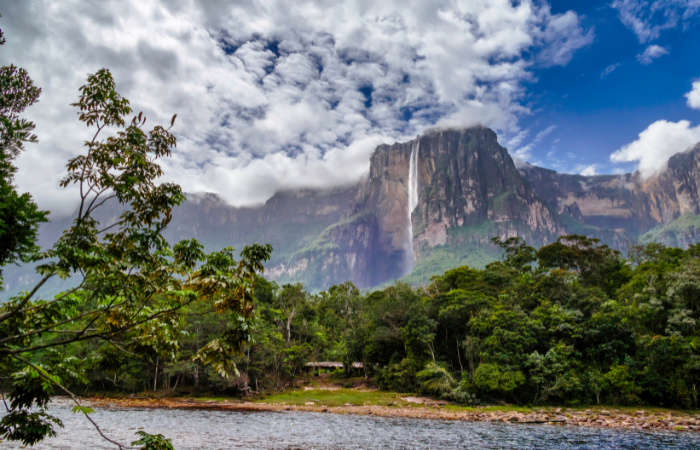
Few places on Earth compress biodiversity like the Amazon, the Galápagos, the Andes, and Patagonia.
First-time visitors often report:
Emotional overwhelm
Heightened sensory awareness
A sense of smallness
Existential reflection
There is science behind this.
Exposure to vast natural environments reduces cortisol levels and increases parasympathetic nervous system activity. This induces calm — but also introspection.
You may find yourself:
Rethinking priorities
Questioning work-life balance
Experiencing unexpected gratitude
Feeling temporarily disoriented upon returning home
The psychological expansion is not accidental. Nature rewires perspective.
Social Warmth and Relational Depth
South American cultures are often relationally expressive.
Terravelers notice:
Eye contact is stronger.
Greetings are longer.
Personal space norms differ.
Conversations include emotion.
For visitors from more reserved cultures, this can feel intimate or even intrusive at first.
But it often leads to something unexpected:
Connection.
Guides remember your name.
Drivers ask about your family.
Hotel staff inquire about your journey.
This relational dimension frequently becomes the most cherished memory.
The Digital Detox Reality
Remote areas in the Amazon, Galápagos, Patagonia, or Andean highlands often offer limited connectivity.
The first psychological phase:
Phantom phone checking
Mild withdrawal
Irritation
The second phase:
Relief
Deep sleep
Heightened awareness
Longer conversations
The third phase:
Anxiety about returning to digital overload
Disconnection is not a limitation. It is a recalibration.
Prepare mentally for reduced connectivity. Embrace it intentionally.
Post-Travel Reverse Culture Shock
An overlooked psychological phase occurs after returning home.
Common symptoms:
Restlessness
Dissatisfaction with routine
Nostalgia for simplicity
Heightened environmental awareness
First-time terravelers often report that South America shifts internal reference points.
You may find:
Your definition of luxury changes.
Your tolerance for stress decreases.
Your appetite for deeper travel increases.
This is not escapism. It is expanded perspective.
Practical Psychological Preparation Checklist for Terravelers
Before departure:
Clarify expectations vs. assumptions.
Research regional cultural norms.
Prepare physically for altitude or climate.
Understand realistic travel times.
Choose a trusted local operator.
Plan structured downtime.
During travel:
Stay hydrated and rested.
Follow professional safety guidance.
Observe before judging.
Ask questions respectfully.
Embrace flexibility.
After travel:
Reflect intentionally.
Integrate lessons gradually.
Avoid impulsive life decisions in the first week back.
Perspective needs integration.
The Core Insight
The biggest surprise for first-time visitors is not the Andes, the Amazon, or the Pacific coast.
It is themselves.
South America strips away efficiency, over-scheduling, and digital saturation. It exposes vulnerability, patience limits, and adaptability gaps.
And then, quietly, it expands you.
If you approach the journey with humility, preparation, and professional guidance, the psychological rewards are profound.
If you approach it rigidly, expecting replication of home systems, friction is inevitable.
Travel here is not passive sightseeing.
It is active transformation.

Some travel content doesn’t fit neatly into destinations, itineraries, or planning guides — yet it still exists for a reason.
These pages cover niche topics, one-off ideas, and practical details that are rarely searched for, but might be exactly what you’re looking for if you enjoy digging a little deeper.
For terravelers who like to explore beyond the obvious.