The Terra Sur Travels Field Manual: What Travel in South America Does to You — When Everything Is Seamlessly Taken Care Of
A traveler’s account. Not of places—but of what changed.
I Thought I Had Booked a Trip
I didn’t come to South America to struggle.
Let’s be honest about that.
I booked with Terra Sur Travels because I didn’t want to think about logistics. I didn’t want to negotiate taxis in a language I barely speak. I didn’t want to guess which lodge was safe, which guide was reliable, or which route was worth my time.
I wanted it handled.
Transfers. Hotels. Guides. Timing. Flow.
And it was.
Every airport pickup was there. Every hotel check-in smooth. Every guide waiting, prepared, fluent, and—more importantly—grounded in the place they were showing me.
The structure was solid. Predictable, even.
And yet, within that structure, something unexpected happened:
The journey itself remained unpredictable.
Not in the way of stress—but in the way of impact.
Because TST didn’t remove the reality of South America.
They removed the noise so I could actually experience it.
Control Was Managed—But Never Forced
There’s a difference between chaos and unpredictability.
One exhausts you. The other transforms you.
Because everything was arranged, I never had to worry about the basics:
Where to go next
How to get there
Who to trust
That mental space opened something unexpected.
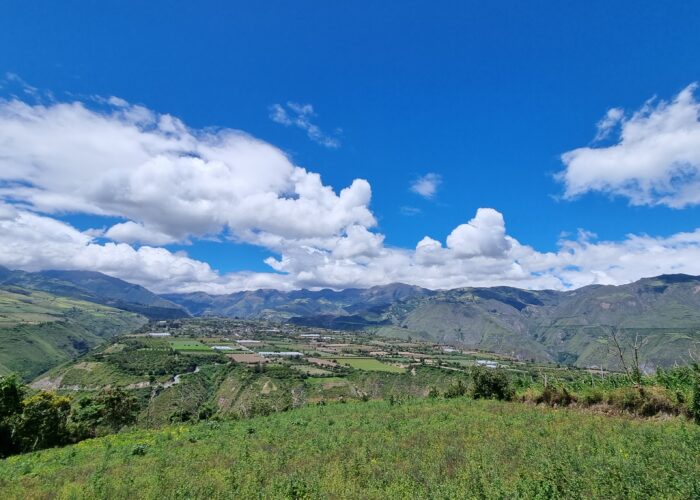
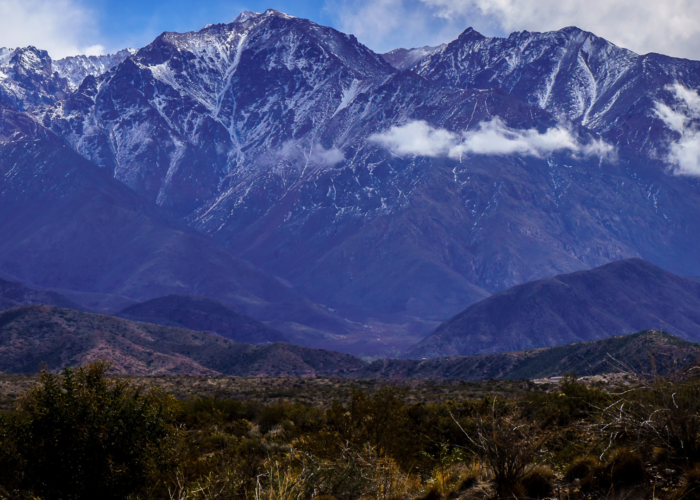
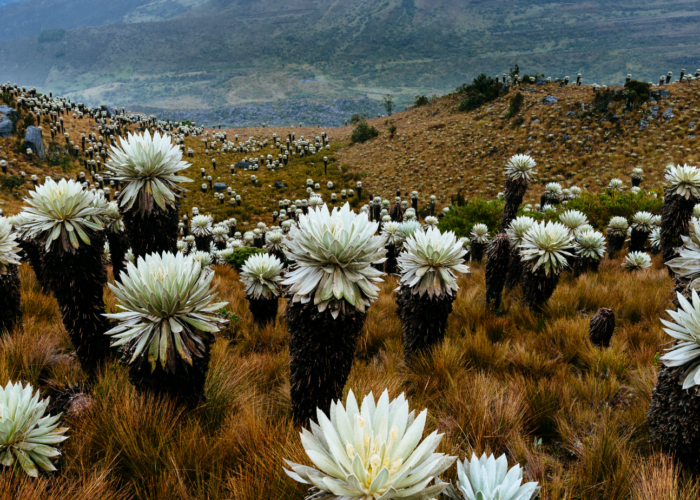
When weather shifted in the Andes, it wasn’t a crisis—it was a change in mood.
When a route adapted, it felt intentional, not inconvenient.
I wasn’t controlling the journey.
But I also wasn’t lost in it.
That balance—between structure and surrender—is rare.
And it allowed me to experience uncertainty without fear.
Scale Hit Harder When I Wasn’t Distracted
There’s something no one tells you:
When logistics are effortless, your attention sharpens.
I wasn’t checking maps.
I wasn’t coordinating plans.
I wasn’t second-guessing decisions.
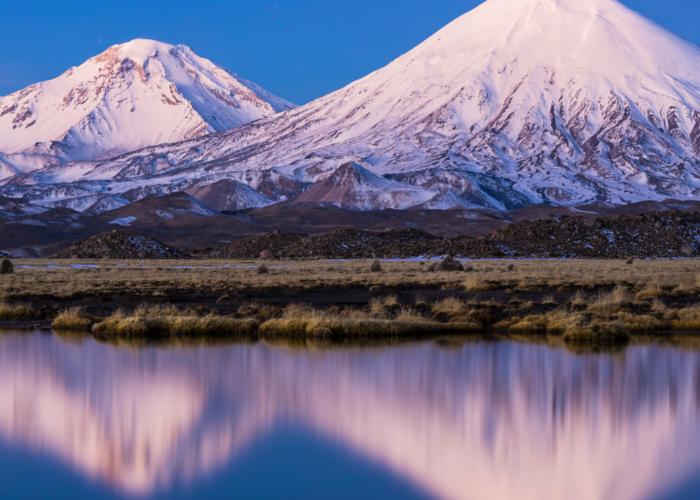
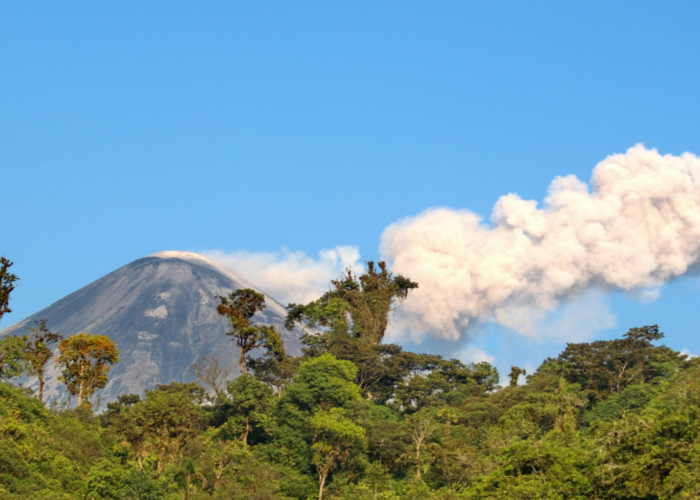
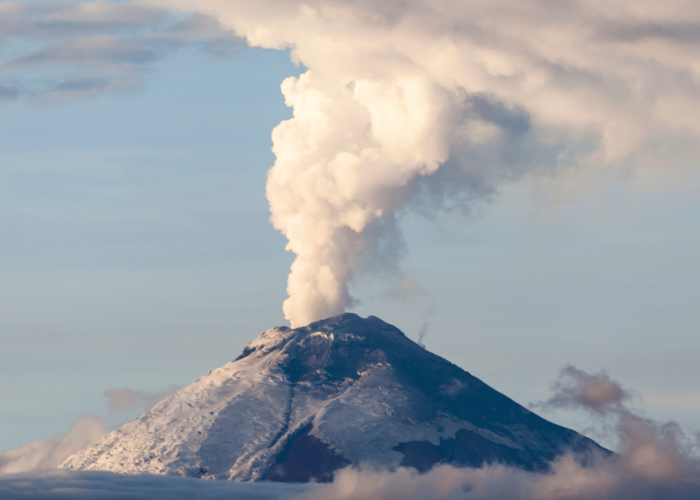
So when I stood in front of Cotopaxi… I actually stood there.
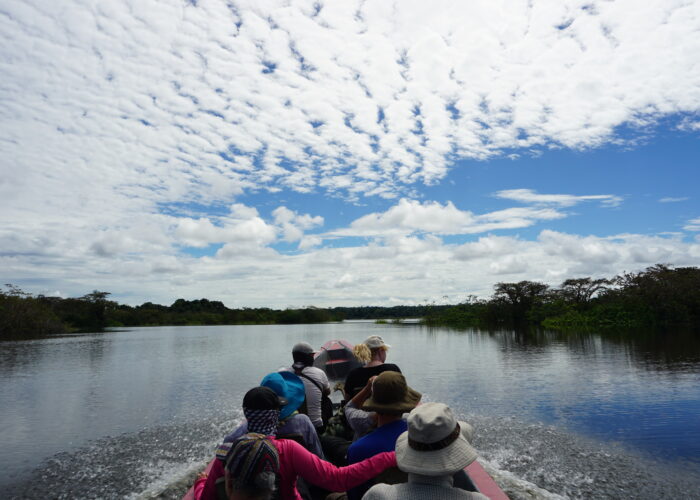
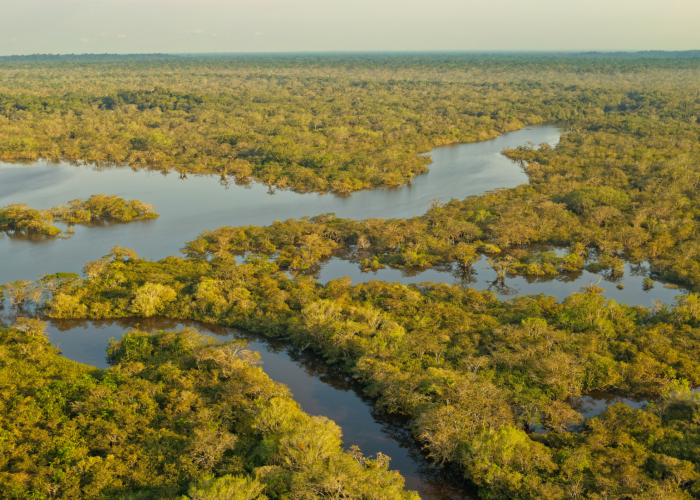
When the Amazon stretched endlessly around me, I wasn’t thinking about the next step—I was absorbing the current one.
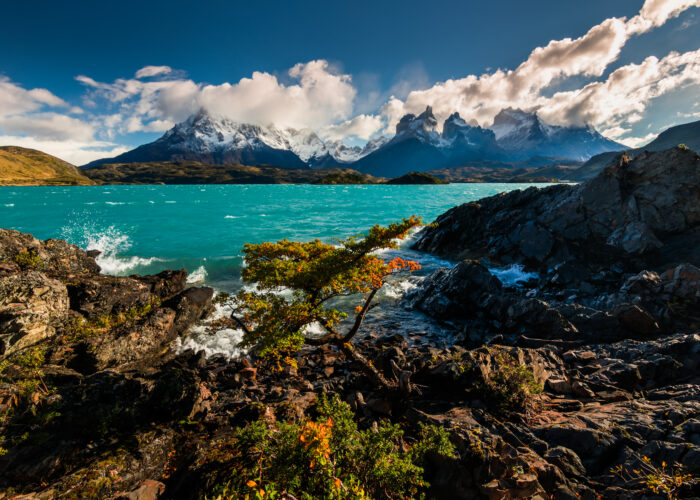
And in Patagonia, where the wind feels like it’s rewriting the land itself, I wasn’t distracted by anything trivial.
Scale doesn’t just impress you here. It recalibrates you.
And when nothing pulls you away from that moment, it lands deeper.
Discomfort Was Present—But Never Reckless
Let’s not pretend this is easy travel.
Altitude still hits you.
Humidity still drains you.
Remote places still feel… remote.
But here’s the difference:
I was never exposed. Never guessing. Never unsupported.
Guides adjusted pace when altitude demanded it
Lodges offered comfort without isolating me from the environment
Experiences were immersive—but never careless
Discomfort wasn’t removed.
It was framed.
And within that frame, it became something else entirely:
Manageable. Meaningful. Even necessary.
Culture Was Not Observed—It Was Interpreted
This is where the real difference became obvious.
Without guidance, I would have seen places.
With the right guidance, I understood them.
Every country revealed itself differently:
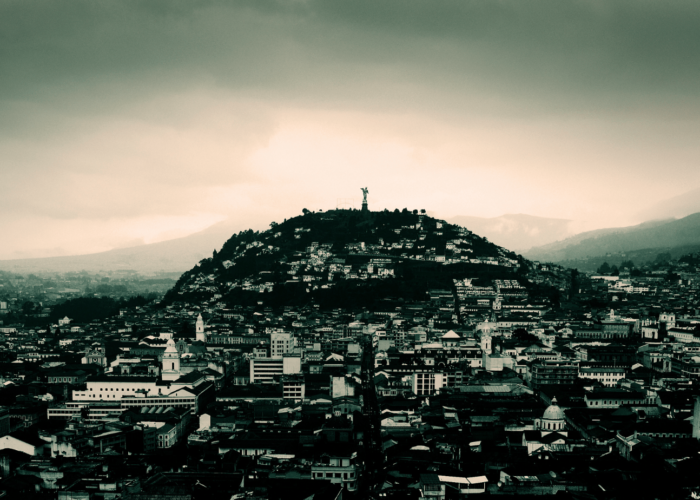
In Ecuador, it was the quiet resilience of Andean communities
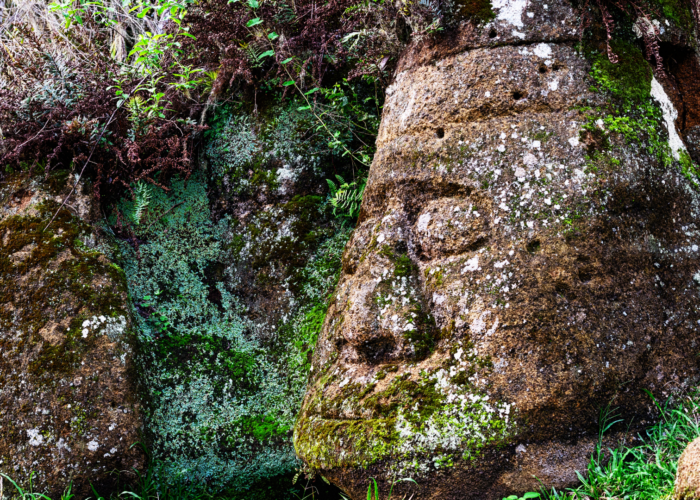
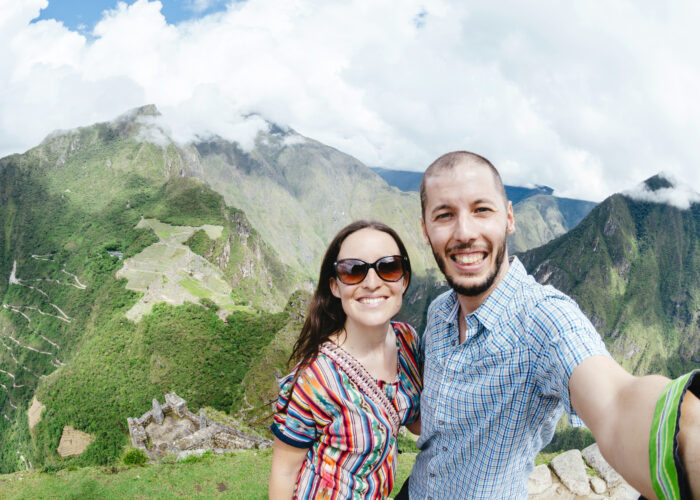
In Peru, the layered history beneath every stone
In Colombia, the energy of transformation and reinvention
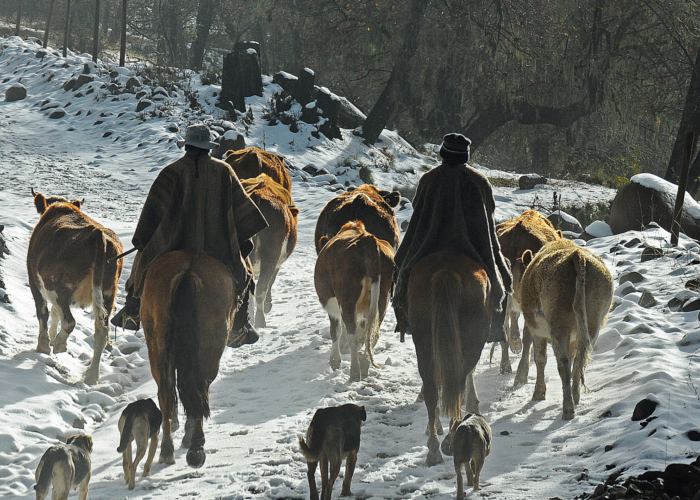
In Chile, the stark contrasts between isolation and modernity
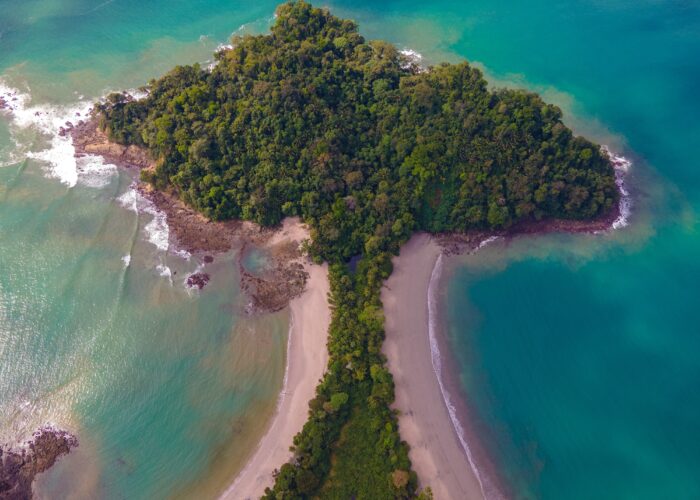
In Costa Rica, the deliberate relationship between people and nature
The guides didn’t just translate language.
They translated context.
And that changed everything.
Time Slowed Down—Because Someone Else Held It Together
Back home, time is something I manage.
On this journey, time was something I experienced.
Because I wasn’t coordinating anything, I stopped thinking in schedules.
I started noticing:
The rhythm of a morning in a small Andean village
The way conversations unfolded without urgency
The silence of an Amazon sunset that no one tried to interrupt
The guides didn’t rush. The itinerary didn’t feel rigid.
It felt… intentional.
Structured enough to move forward.
Open enough to breathe.
Nature Was Not a Backdrop—It Was the Main Character
In most destinations, nature is something you look at.
Here, it’s something you enter.
And with the right structure in place, I could fully engage with it:
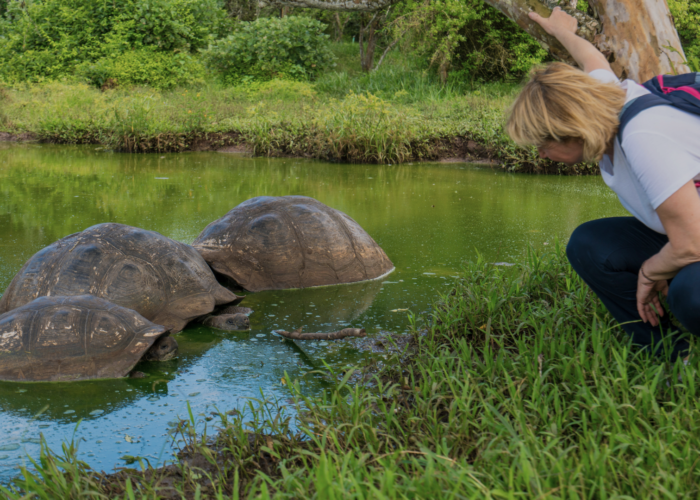
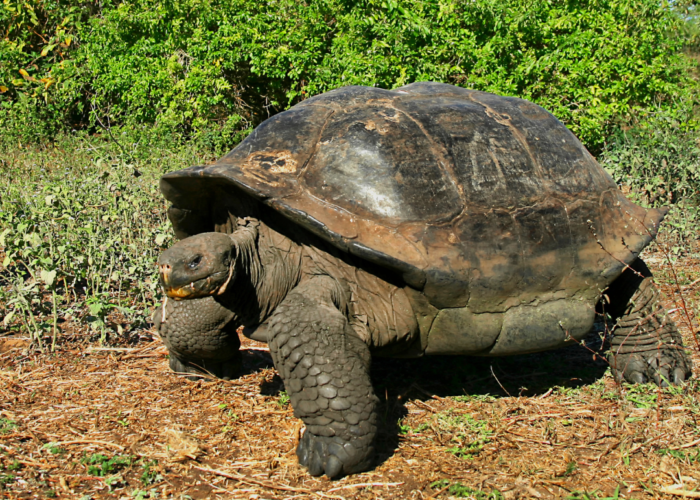
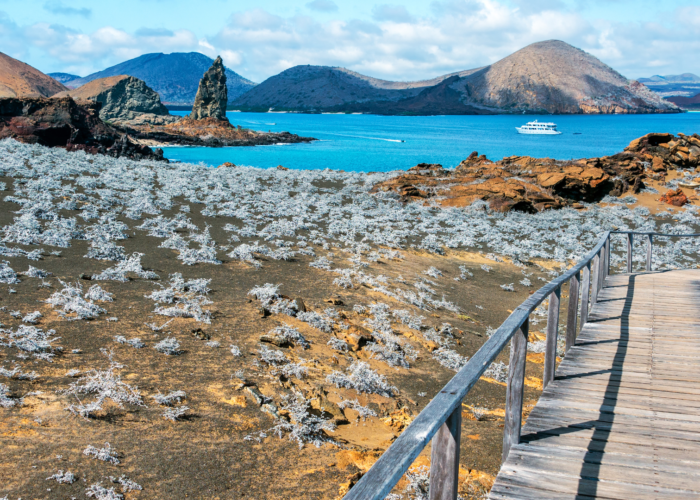
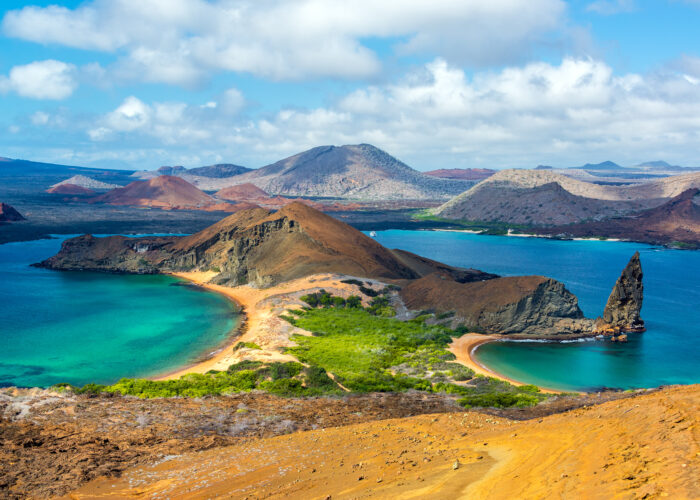
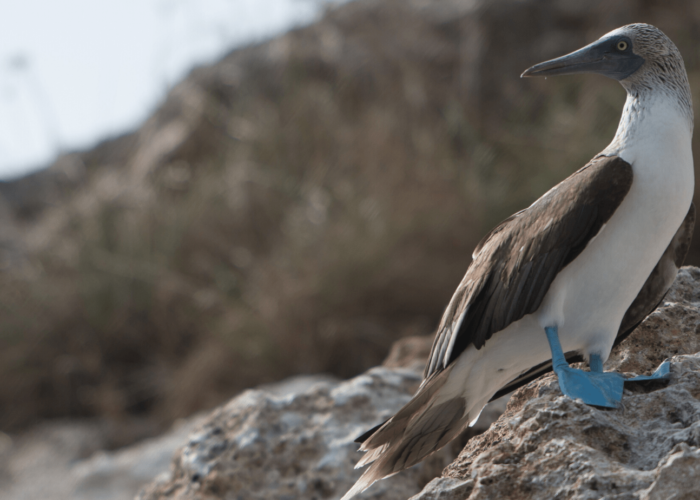
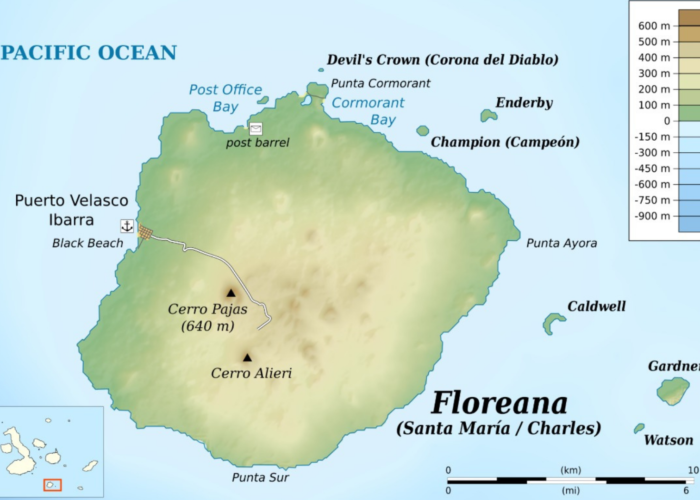
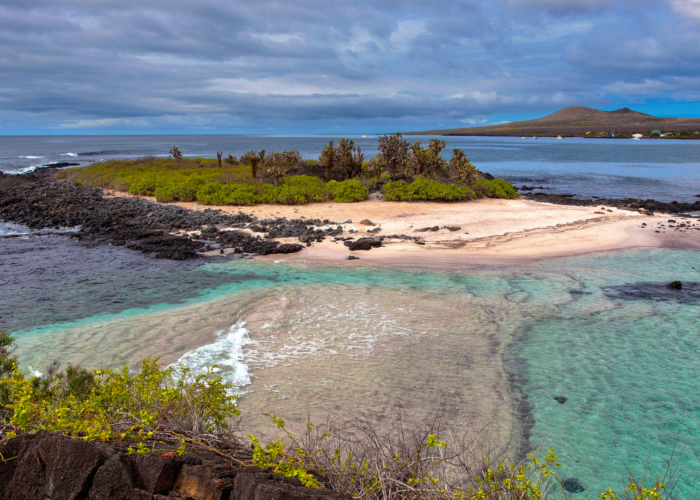
In the Galápagos, wildlife wasn’t just visible—it was explained, contextualized, understood
In the Amazon, the forest wasn’t overwhelming—it was decoded
In Patagonia, the landscape wasn’t just dramatic—it was humbling
I wasn’t navigating nature alone.
I was being introduced to it.
And that distinction matters more than people realize.
I Returned With More Than Memories
I expected photos. Stories. Highlights.
I didn’t expect this:
A shift.
Subtle, but persistent.
My tolerance for discomfort increased
My perspective on time changed
My understanding of “normal” expanded
And here’s the uncomfortable part:
Not all of it felt easy.
Some of it felt like a quiet disruption.
But that’s the difference between travel that entertains you—and travel that stays with you.
What Terra Sur Travels Actually Delivered
Not perfection.
Not artificial ease.
But something far more valuable:
Clarity without rigidity
Comfort without isolation
Immersion without risk
They didn’t simplify South America.
They made it accessible—without diluting what makes it powerful.
One Last Thought: This Is Travel With Intent
This kind of journey is not accidental.
It doesn’t happen when you piece things together on your own, hoping it works.
It happens when:
The logistics are handled
The right people guide you
The experience is designed—not improvised
Because when those elements are in place, something rare becomes possible:
You stop managing the trip.
And start experiencing the transformation.
Tons of information in one hand







Tons of information in one hand