BOLIVIA – Destination Hub Intro
Bolivia is right for terravelers who are drawn to vast landscapes, strong indigenous identity, high-altitude adventure, and places that still feel noticeably less polished than many of South America’s classic tourism routes.
This is not a destination built around convenience. Distances can be long, altitude can be demanding, infrastructure varies considerably, and travel plans sometimes require flexibility. But for terravelers willing to accept that, Bolivia offers something increasingly rare: a country where dramatic scenery, living traditions, history, and everyday life still feel closely connected.
From the enormous Salar de Uyuni and the volcanic Altiplano to Lake Titicaca, colonial Sucre, historic Potosí, and the energetic streets of La Paz, Bolivia is full of sharp contrasts. It rewards travelers who are curious, patient, and prepared to slow down rather than simply collect highlights.
Bolivia is not always easy. That is part of its character.
For many terravelers, it is also exactly what makes the country unforgettable.
Destination Bolivia – Quick Facts
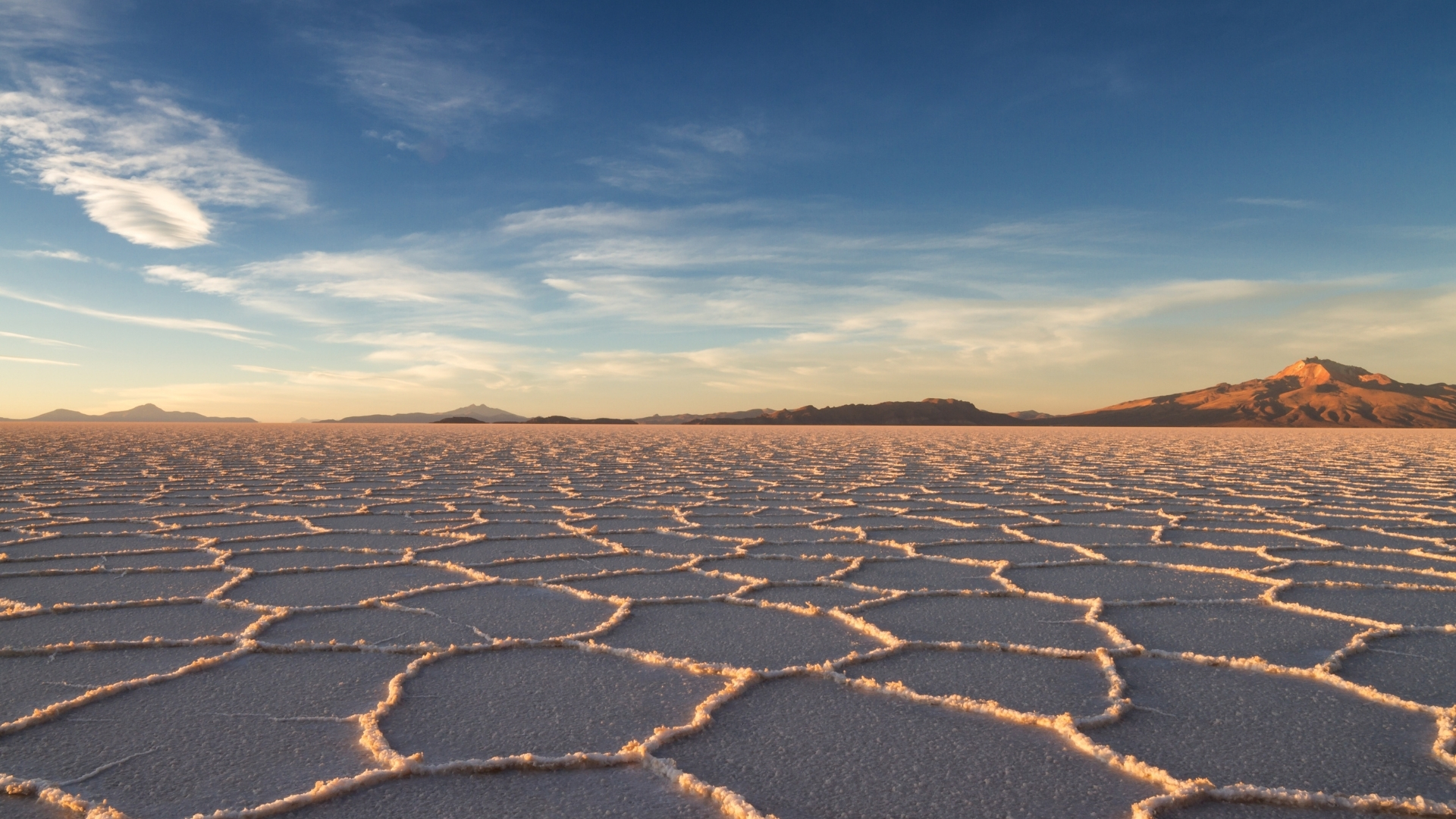
Bolivia is home to the Salar de Uyuni, one of the largest salt flats on Earth and one of South America’s most extraordinary landscapes.
During the dry season, the vast white surface stretches toward the horizon in every direction. During periods of shallow flooding, parts of the salar can turn into an enormous natural mirror, creating one of the most surreal landscapes on the continent.
For many visitors, Uyuni is the image that first draws them to Bolivia — but it is only the beginning.
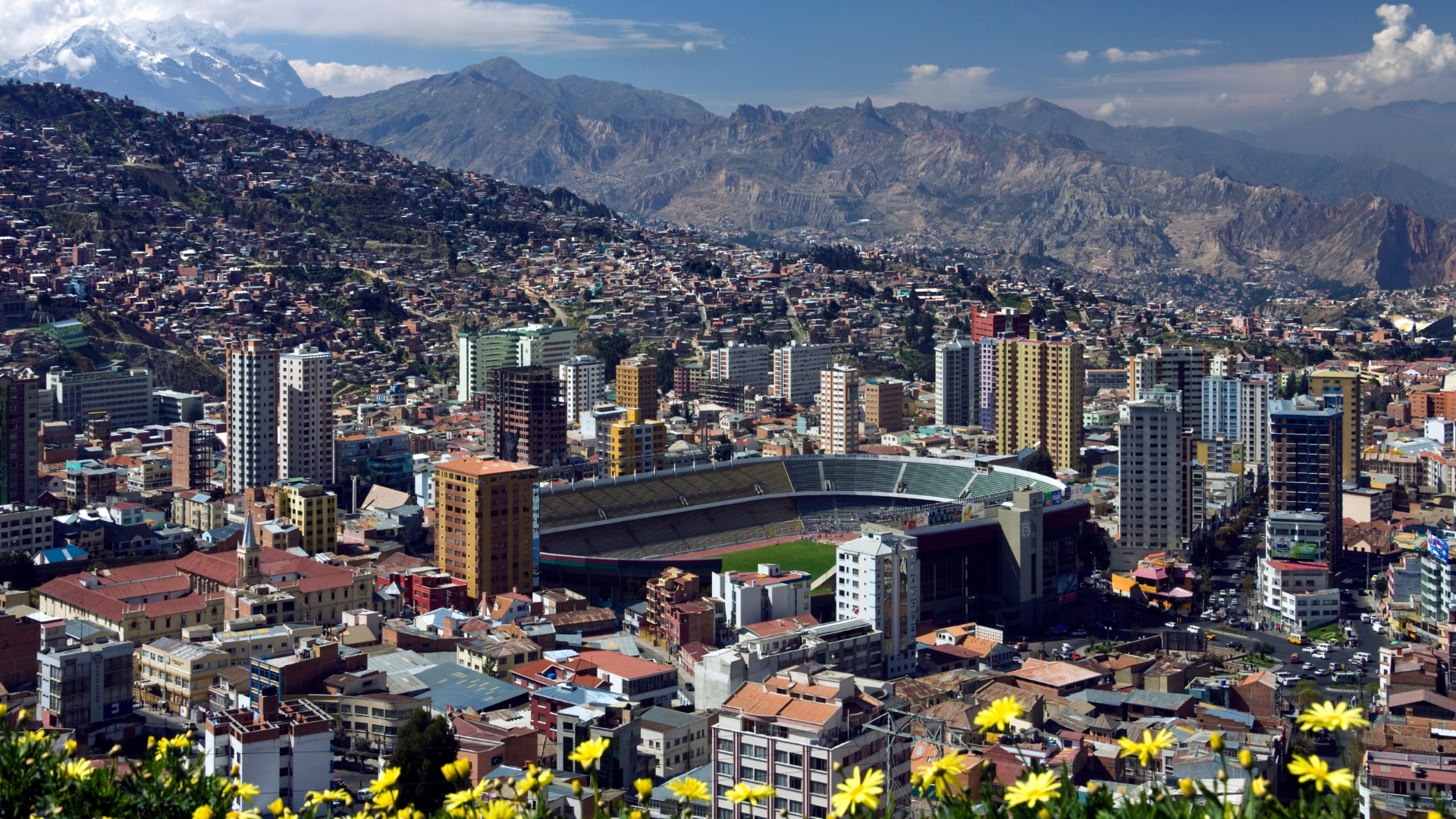
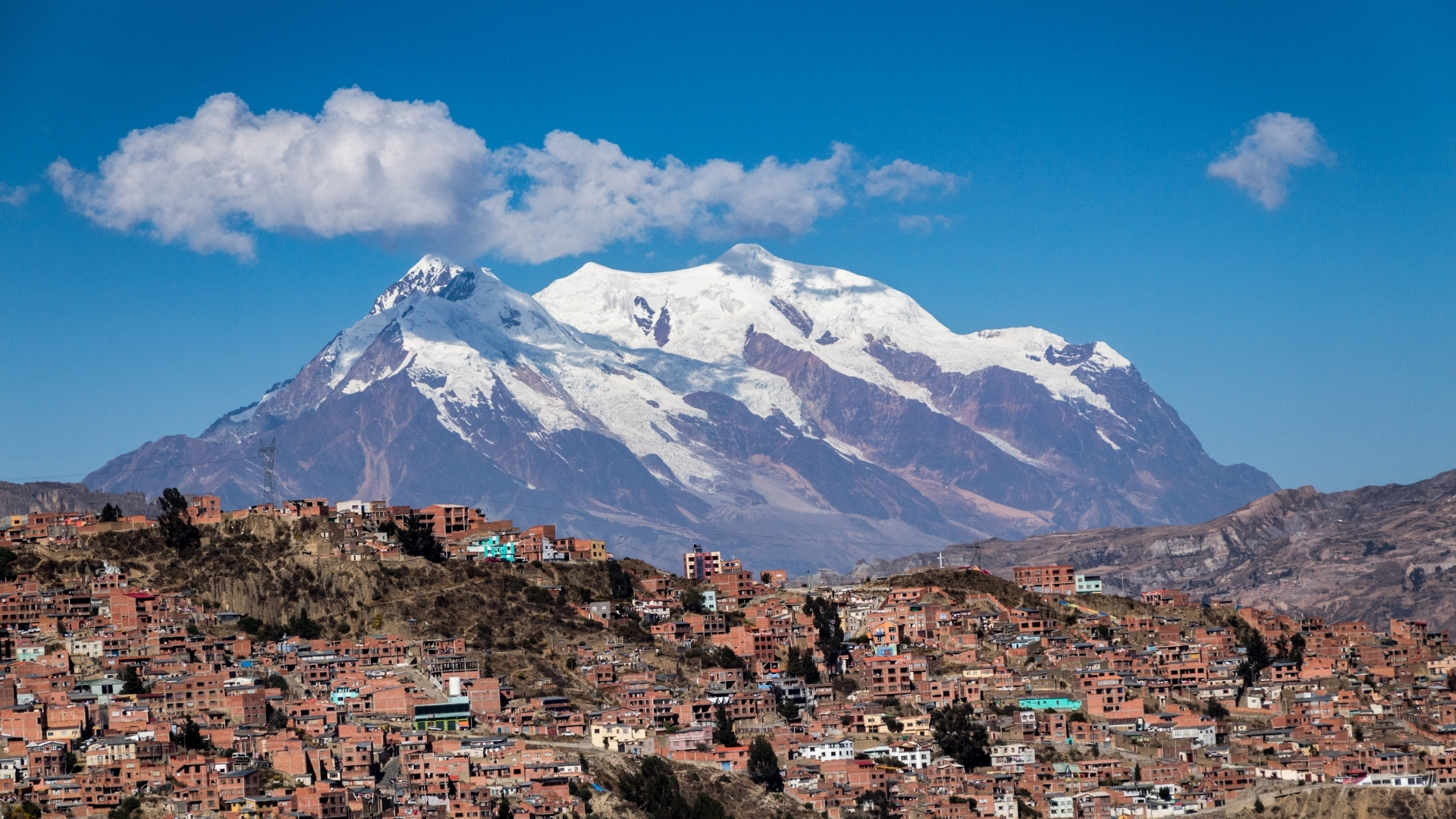
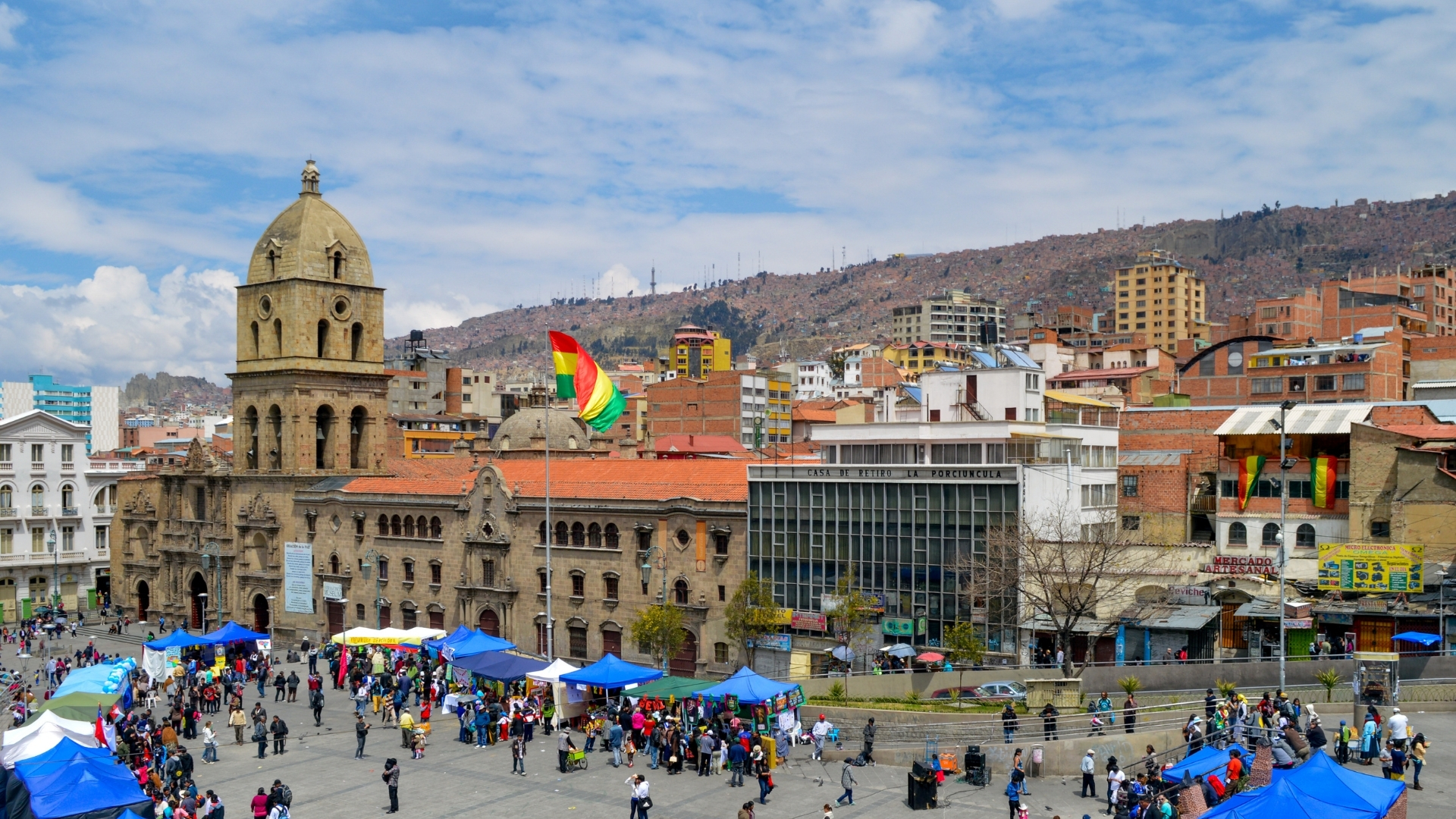
La Paz sits high in the Andes at roughly 3,600 meters above sea level, while neighboring El Alto rises even higher.
The city is surrounded by dramatic mountain scenery and shaped by steep valleys, dense neighborhoods, busy markets, and one of the world’s most distinctive urban cable-car systems.
Altitude is not a minor detail here. Terravelers should allow time to acclimatize before attempting demanding hikes or rushing directly toward even higher regions.
Bolivia shares Lake Titicaca with Peru.
At more than 3,800 meters above sea level, it is one of the world’s highest large navigable lakes and holds deep cultural and spiritual significance for Andean communities.
Bolivia’s side includes places such as Copacabana and the Isla del Sol, where terravelers can combine dramatic lake scenery with ancient archaeological sites, rural communities, and high-altitude walking.
Long before the Inca Empire dominated the Andes, the Tiwanaku civilization developed a powerful cultural and political center near Lake Titicaca.
Tiwanaku reached its height between approximately 500 and 900 AD and influenced large areas of the southern Andes. Today, its monumental remains form one of Bolivia’s most important archaeological sites and are recognized as a UNESCO World Heritage Site.
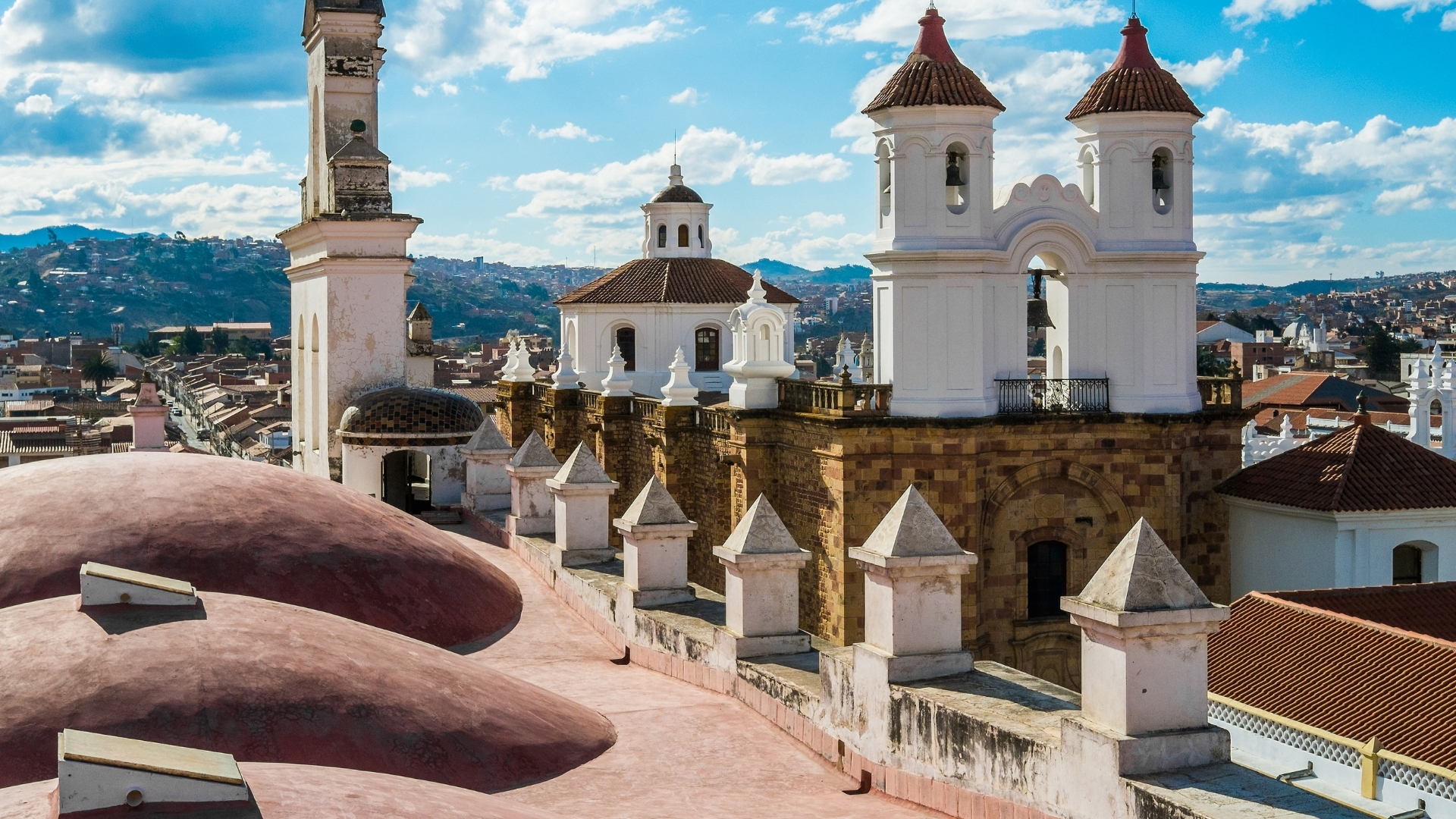
Sucre is one of Bolivia’s most attractive cities and its constitutional capital.
Whitewashed colonial buildings, quiet plazas, churches, museums, and a milder climate make it a welcome contrast to the harsher landscapes of the Altiplano.
Its historic center has been recognized by UNESCO since 1991.
Potosí tells one of the most important — and darkest — stories in South American history.
Silver extracted from Cerro Rico helped finance the Spanish Empire, and in the 16th century Potosí developed into one of the most important mining centers in the world.
The historic city, colonial architecture, former mint, and mining heritage remain central to understanding Bolivia’s economic and social history.
UNESCO describes Potosí as one of the great silver-mining complexes of the modern era.
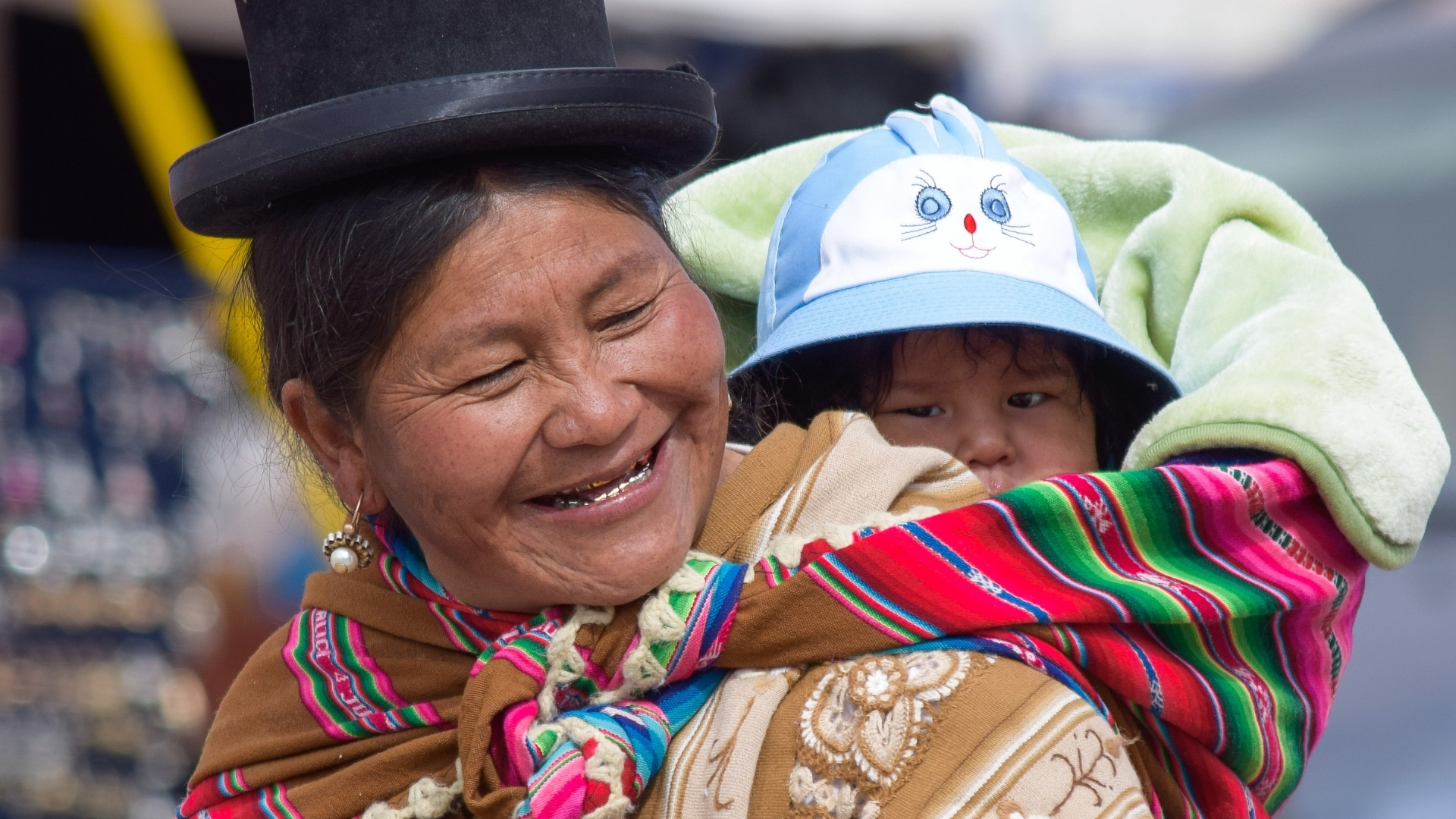
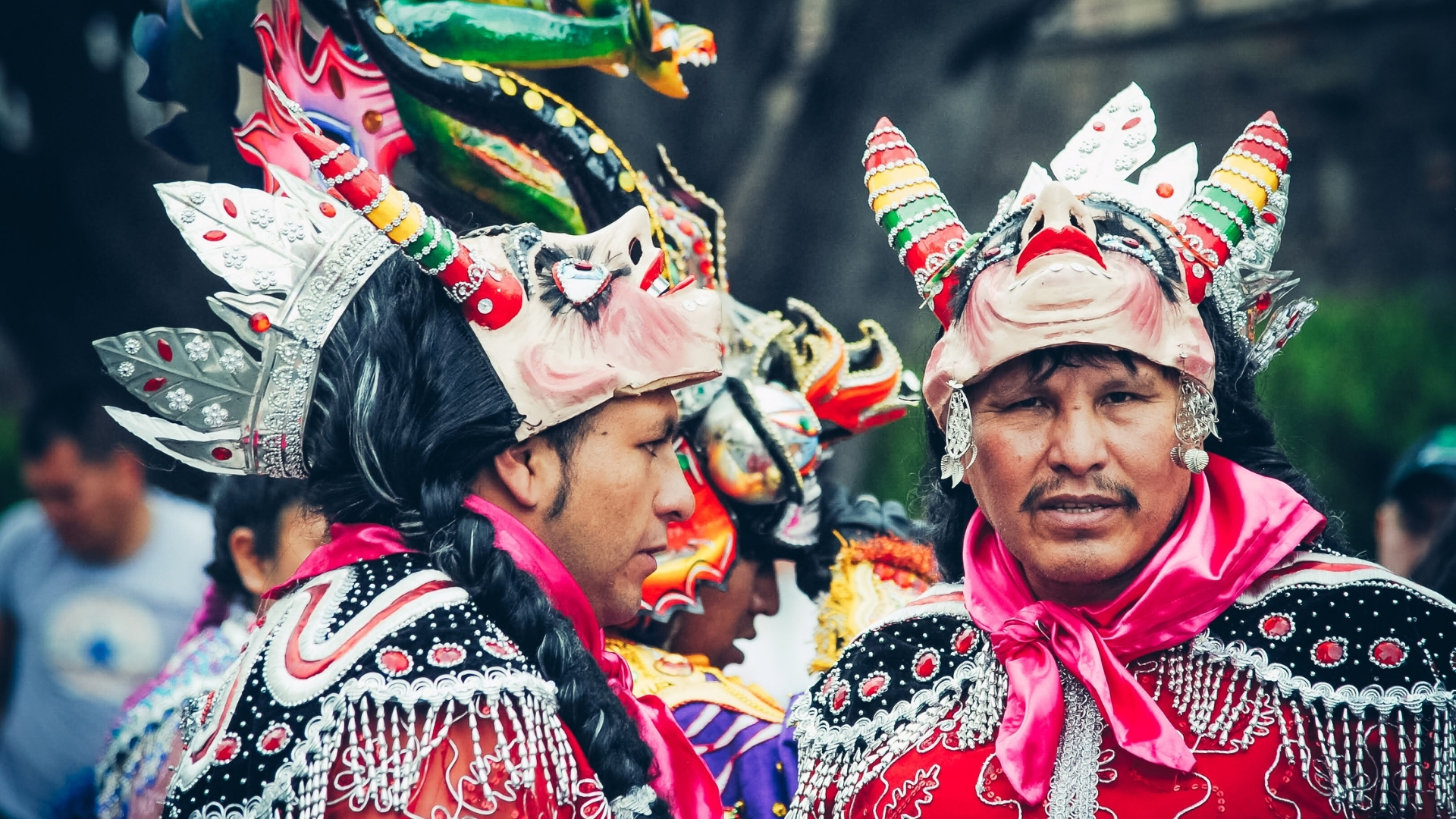
Bolivia has one of the strongest indigenous cultural presences in South America.
Aymara, Quechua, and numerous other indigenous communities continue to shape languages, clothing, food, agriculture, markets, festivals, religious traditions, and political life.
For terravelers, this is not something confined to museums or staged performances. Indigenous traditions remain part of daily life across much of the country.
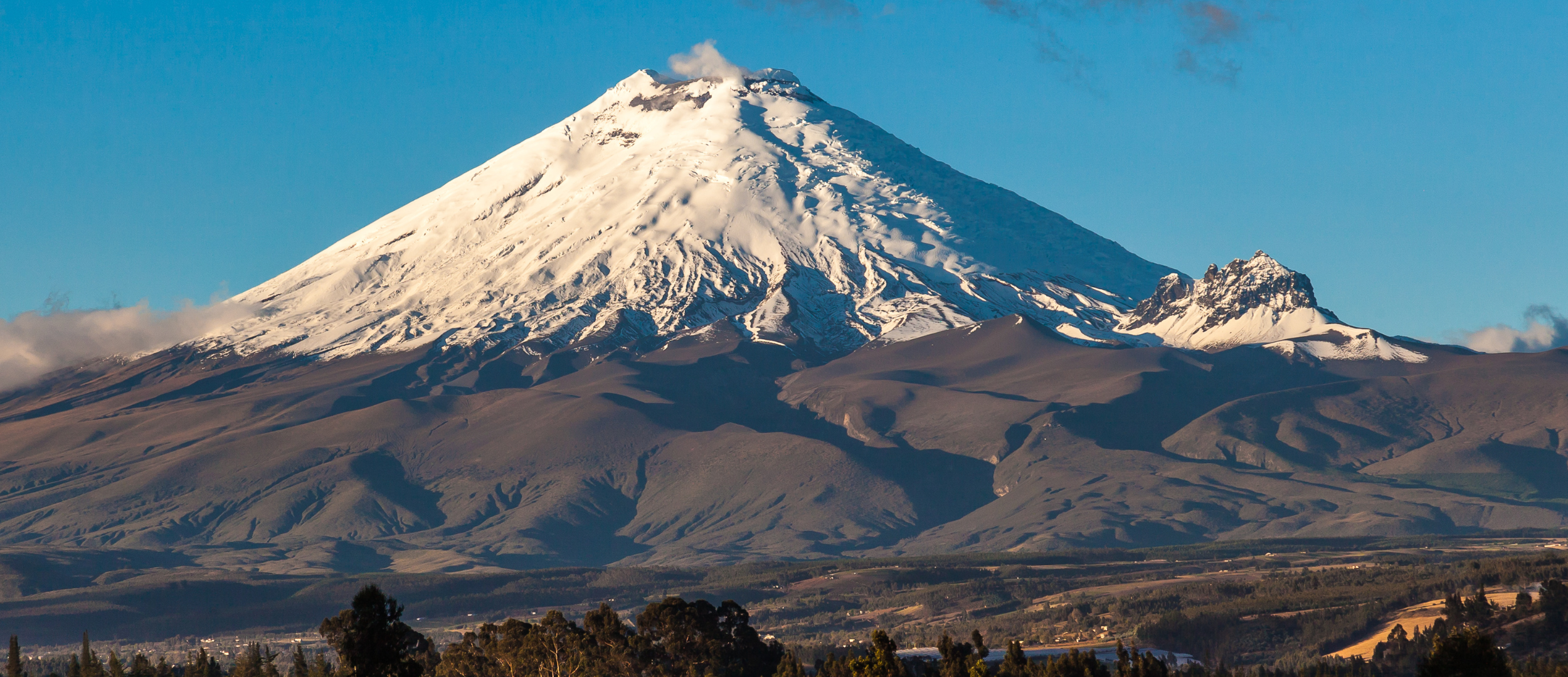
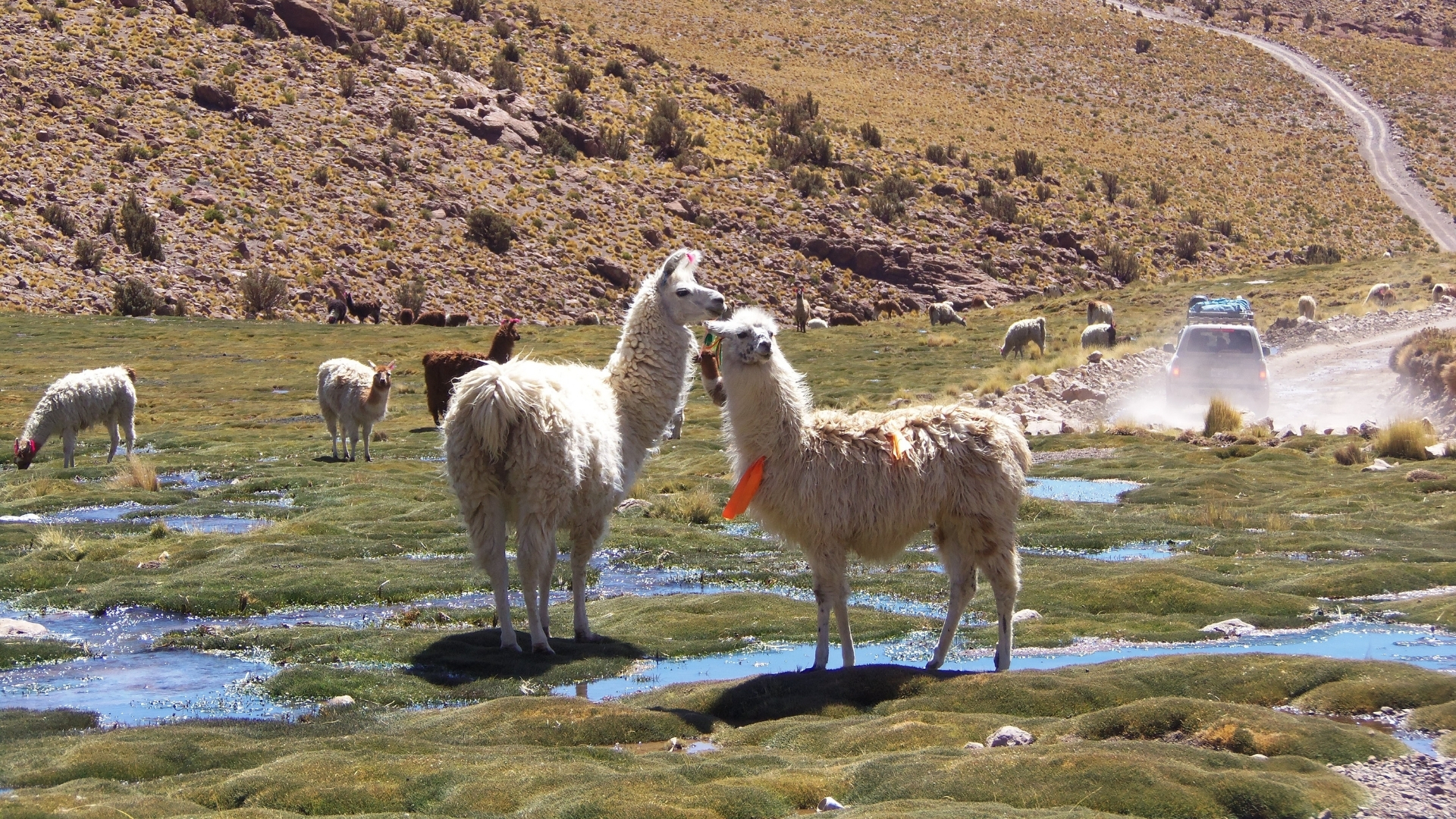
Bolivia’s high plateau is a landscape of huge skies, volcanoes, salt flats, lagoons, wetlands, and seemingly endless open space.
Travel here can involve altitudes well above 4,000 meters.
The scenery is spectacular, but the environment is demanding. Cold nights, strong sun, dry air, wind, and reduced oxygen are part of the experience.
Bolivia has seven properties inscribed on the UNESCO World Heritage List, including the historic cities of Sucre and Potosí, Tiwanaku, the Jesuit Missions of the Chiquitos, Fuerte de Samaipata, the Qhapaq Ñan Andean Road System, and Noel Kempff Mercado National Park.
This diversity reflects something important about Bolivia: the country is far more than mountains and salt flats.
Bolivia sits at the heart of South America, landlocked between Peru, Chile, Argentina, Paraguay, and Brazil.
Its geography is extreme.
In the west, the Andes rise into the Altiplano, where cities, lakes, deserts, salt flats, and volcanic landscapes exist at elevations that would qualify as mountain summits in many other parts of the world.
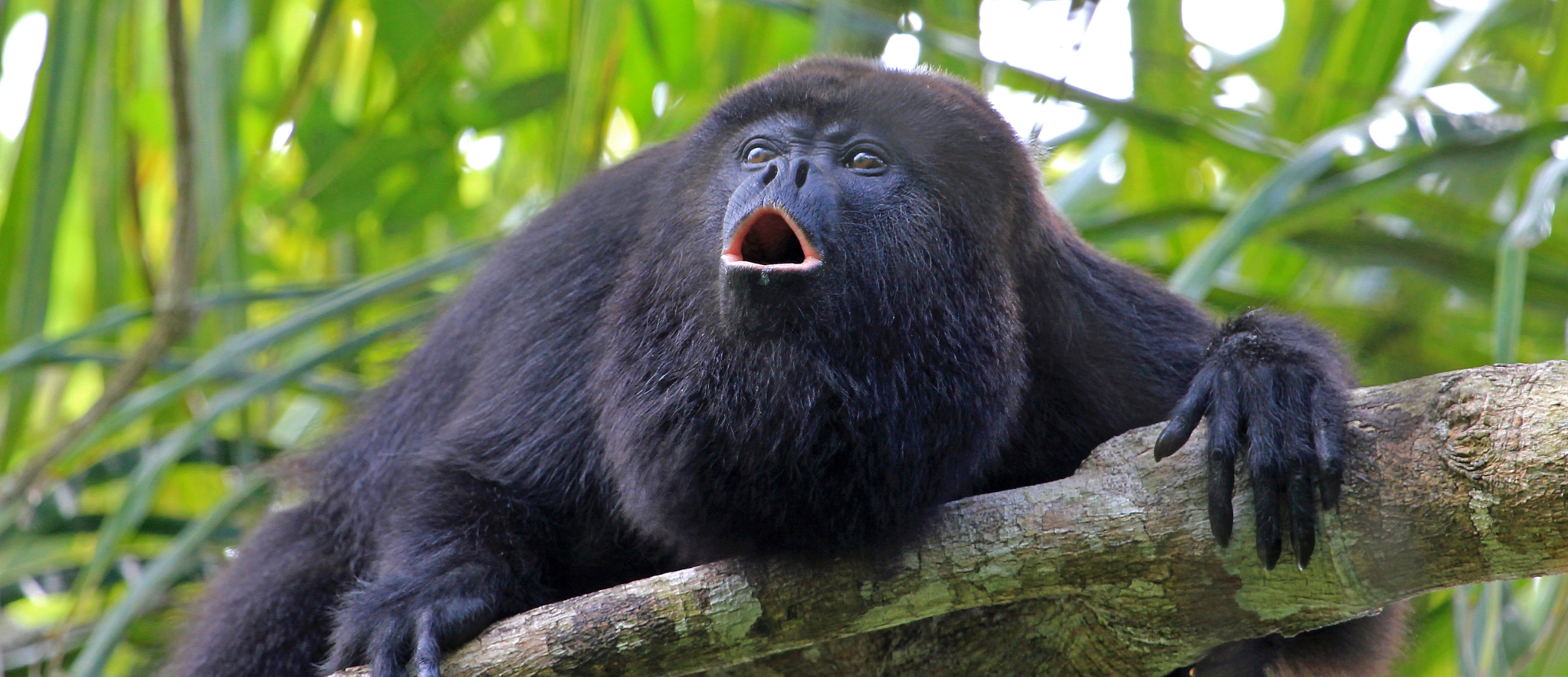
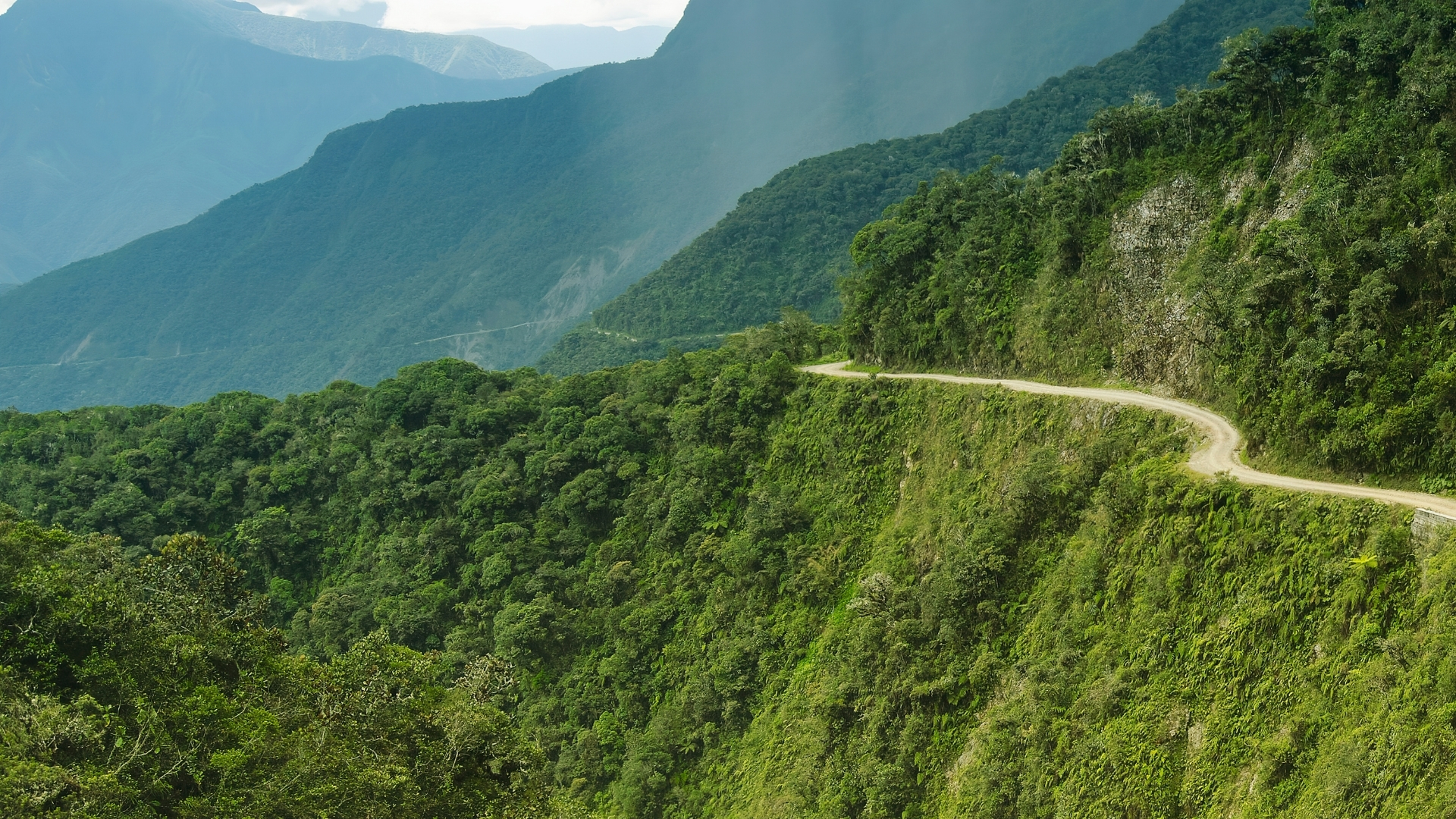
Further east, the land drops dramatically toward valleys, subtropical forests, savannahs, and Amazonian lowlands.
That diversity means a journey through Bolivia can feel like traveling through several different countries.
One day you may be wrapped in layers against freezing winds at more than 4,000 meters.
A few days later, you may be walking through warm valleys or tropical forest.
For terravelers who enjoy changing landscapes, Bolivia offers enormous variety.