Cultural Etiquette on Rapa Nui
(Easter Island, Chile)
Easter Island, known locally as Rapa Nui, is one of the most isolated and mysterious inhabited places on Earth. Though politically part of Chile, Rapa Nui has a distinct Polynesian culture with deep-rooted traditions, spiritual beliefs, and a strong sense of identity. Travelers visiting this fascinating island should be aware of local customs and etiquette to show respect and enjoy a truly immersive experience.
Understanding the Rapa Nui People
The Rapa Nui are proud of their heritage and maintain many ancestral customs, from language and dance to spiritual practices linked to their famous moai statues. While Spanish is widely spoken, many locals also speak Rapa Nui, a Polynesian language.
Hospitality is important, but respect for land, culture, and privacy is equally valued. Visitors are welcomed warmly, especially when they show genuine interest and cultural sensitivity.
Respecting Sacred Sites
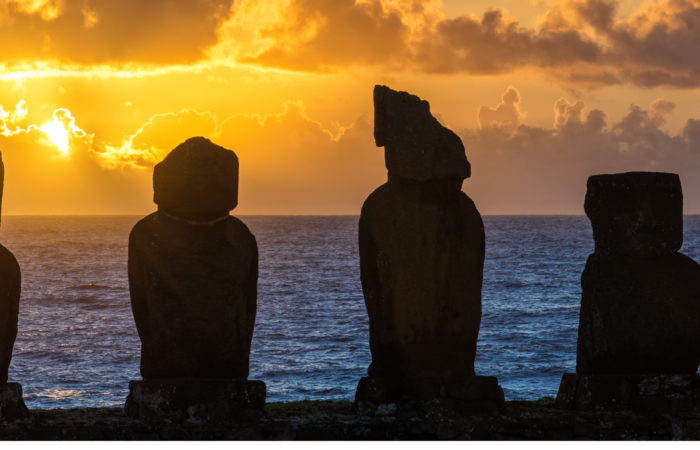
Rapa Nui is a UNESCO World Heritage Site, and many areas—including the moai statues and ceremonial platforms (ahu)—are considered sacred.
Key Etiquette:
Do not touch, climb, or sit on moai or ahu.
Stay on marked paths when visiting archaeological sites.
Respect signage and any access restrictions.
Important: Violating sacred site rules can result in fines or removal from protected areas.
Interacting with Locals
Politeness and friendliness go a long way.
Always greet people with “Iorana” (hello/goodbye in Rapa Nui).
Ask before taking photos of individuals or private property.
Be patient—life moves at an island pace, and schedules are more flexible than in mainland Chile.
Cultural Events and Traditions
If your visit coincides with Tapati Rapa Nui, the island’s most important cultural festival (usually in February), you’ll witness traditional sports, music, dance, and body painting.
Respectful Behavior:
Observe traditions quietly and respectfully.
Support local artisans and performers by buying local crafts or attending shows.
Dress modestly at cultural events.
Environmental Responsibility
Rapa Nui faces environmental challenges due to its small size and isolation. Travelers are expected to:
Minimize waste—recycle where possible.
Avoid single-use plastics.
Conserve water and electricity.
Do not take natural souvenirs like stones, sand, or coral.
Note: Removing natural items from the island is prohibited.
Driving and Behavior in Villages
Respect speed limits and drive carefully, especially in Hanga Roa, the island’s main town.
Be courteous to pedestrians, cyclists, and horses on the road.
Support local businesses—eat at family-run restaurants, buy crafts from local artists.
Tipping and Money
Tipping is appreciated but not obligatory. A 10% tip in restaurants is customary.
Most places accept Chilean pesos, and some accept cards, but cash is useful in remote areas.
Visiting Rapa Nui with Respect
Rapa Nui offers a rich cultural experience unlike any other. By respecting local customs, sacred sites, and the environment, travelers help preserve the island’s heritage and build meaningful connections.
Show curiosity, humility, and care, and your journey to Easter Island will be unforgettable—for all the right reasons.