Estimated reading time: 14 minutes
Elqui Valley Wine, Pisco & Stargazing Journey
Price

Elqui Valley Wine, Pisco & Stargazing Journey
8 Days / 7 Nights
Tour Overview
Travel from the Pacific coast into one of Chile’s most atmospheric valleys on an eight-day journey built around wine, pisco, food, small towns, and some of the clearest night skies in South America. From La Serena, terravelers travel inland through Vicuña, Paihuano, Montegrande, and Pisco Elqui, visiting vineyards, traditional distilleries, local producers, and astronomical observatories along the way. Days are slow and sunlit; evenings belong to the stars. The tour balances guided experiences with enough free time to enjoy the valley at its natural rhythm rather than racing between tastings.
Day 1 – La Serena to Vicuña
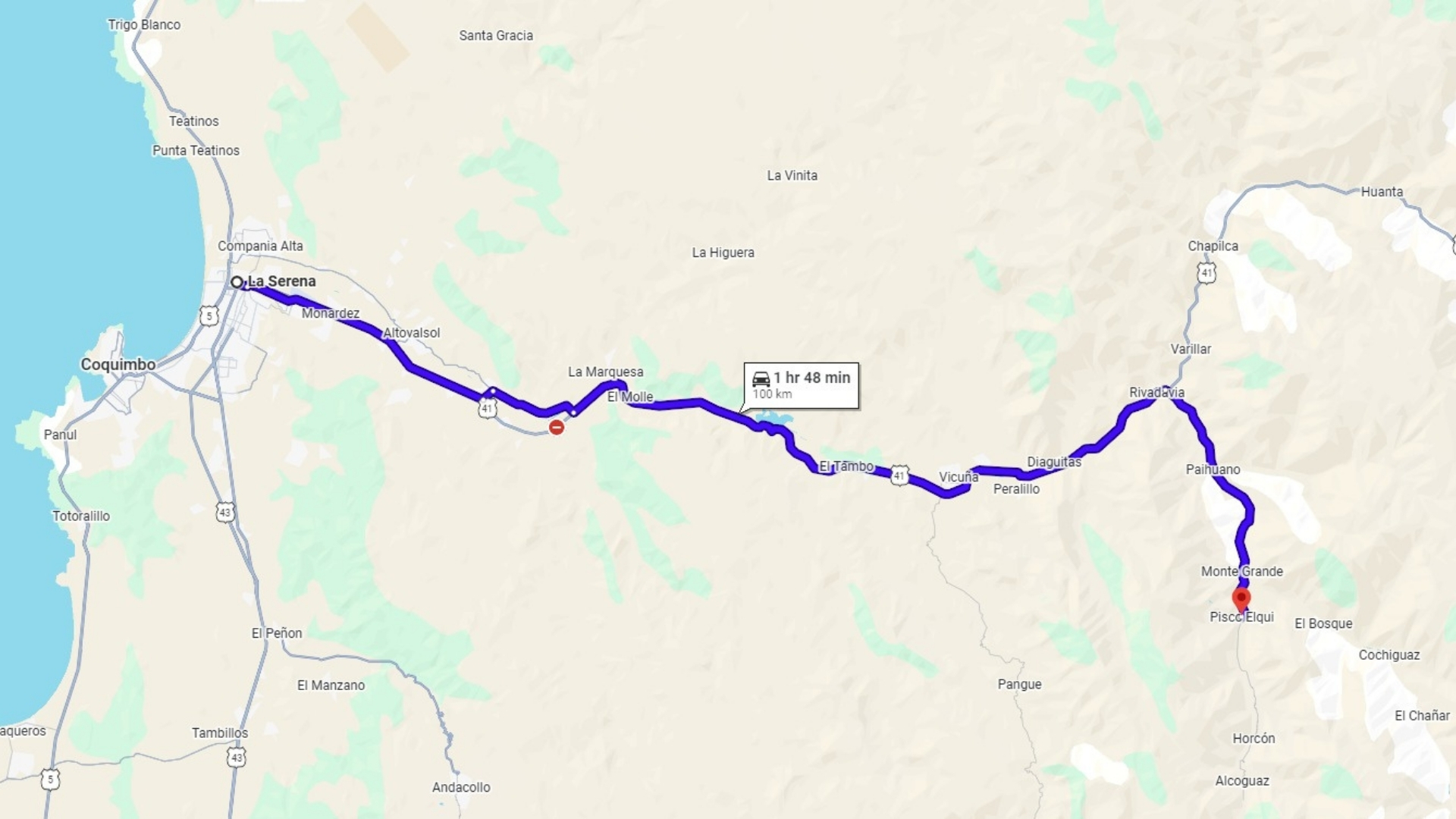
Arrive at La Florida Airport in La Serena, the principal gateway to the Elqui Valley. Meet your driver and begin the journey inland along Route 41.
The road follows the Elqui River away from the Pacific, gradually leaving the coastal climate behind. Dry hills, irrigated vineyards, fruit plantations, and small settlements appear as the valley narrows toward the Andes.
Stop along the way at viewpoints around the Puclaro Reservoir, whose blue water forms a dramatic contrast with the surrounding semi-desert landscape. Depending on arrival time, there may also be an opportunity to stop at a small local producer or roadside market.
Continue to Vicuña, the main town of the upper Elqui Valley and an ideal first base for exploring the region.
After checking into the hotel, enjoy an orientation walk through the historic center, including Plaza Gabriela Mistral and the surrounding streets.
The evening is deliberately left free. Vicuña has restaurants, cafés, small bars, and pisco-focused venues, but it remains relaxed enough to explore on foot.
Overnight: Vicuña
Meals included: None
Day 2 – Vicuña, Gabriela Mistral and First Night Under the Stars
After breakfast, begin with the cultural side of the valley.
Visit the Gabriela Mistral Museum, dedicated to the Chilean poet, educator, diplomat, and Nobel Prize winner whose life is inseparable from the Elqui region. The visit provides useful context before traveling deeper into the valley, where towns, schools, landscapes, and cultural institutions continue to reference her legacy.
Continue with a relaxed lunch in Vicuña before spending part of the afternoon exploring local artisan workshops or one of the pisco producers near town.
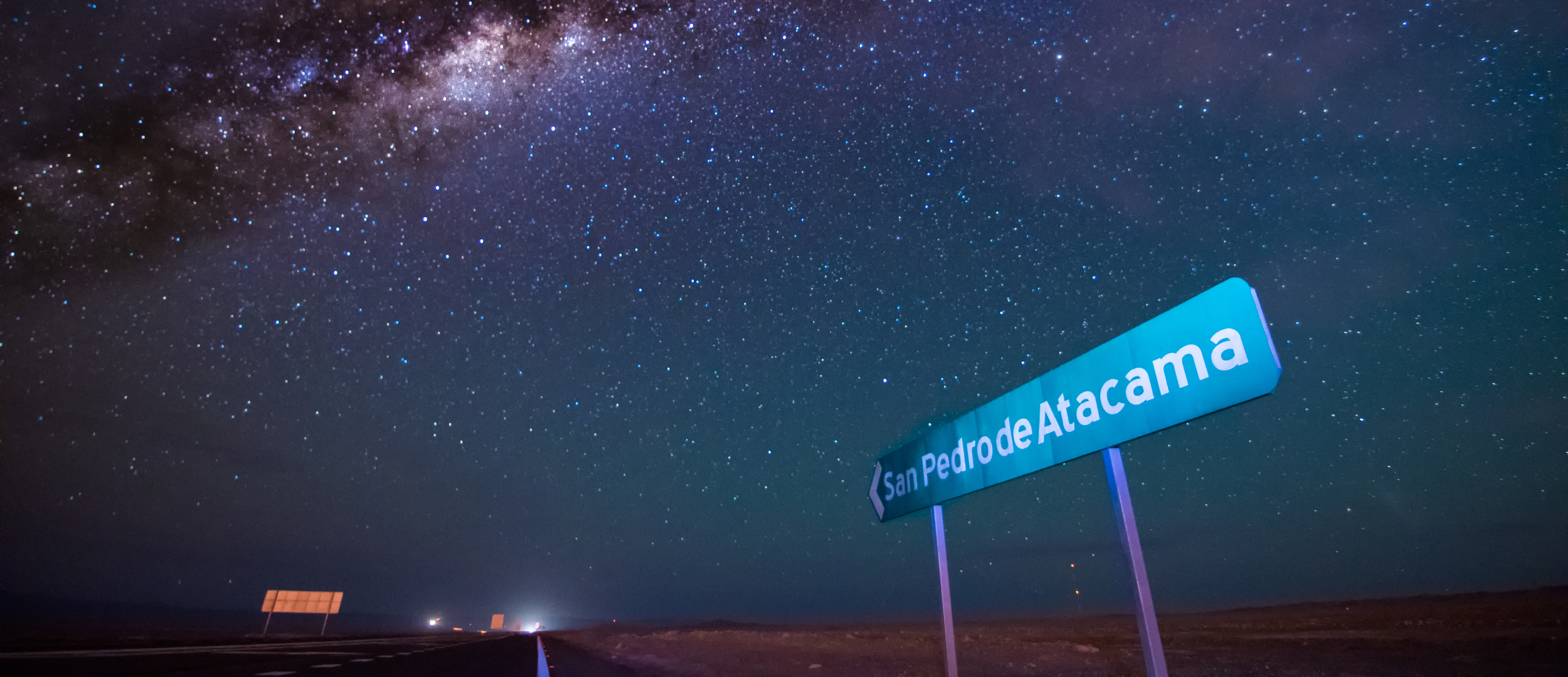
In the evening, head outside Vicuña for the first astronomical experience.
A good option is Mamalluca Observatory, one of the pioneers of public astrotourism in Chile. Current programs include astronomical tours in English as well as more extensive premium experiences. Observations normally combine an introduction to the night sky with telescope viewing, although the exact objects visible depend on the season, moon phase, atmospheric conditions, and time of night.
Return to Vicuña late in the evening.
Overnight: Vicuña
Meals included: Breakfast
Day 3 – Wine Country of the Lower Elqui Valley
Today is dedicated to wine rather than pisco.
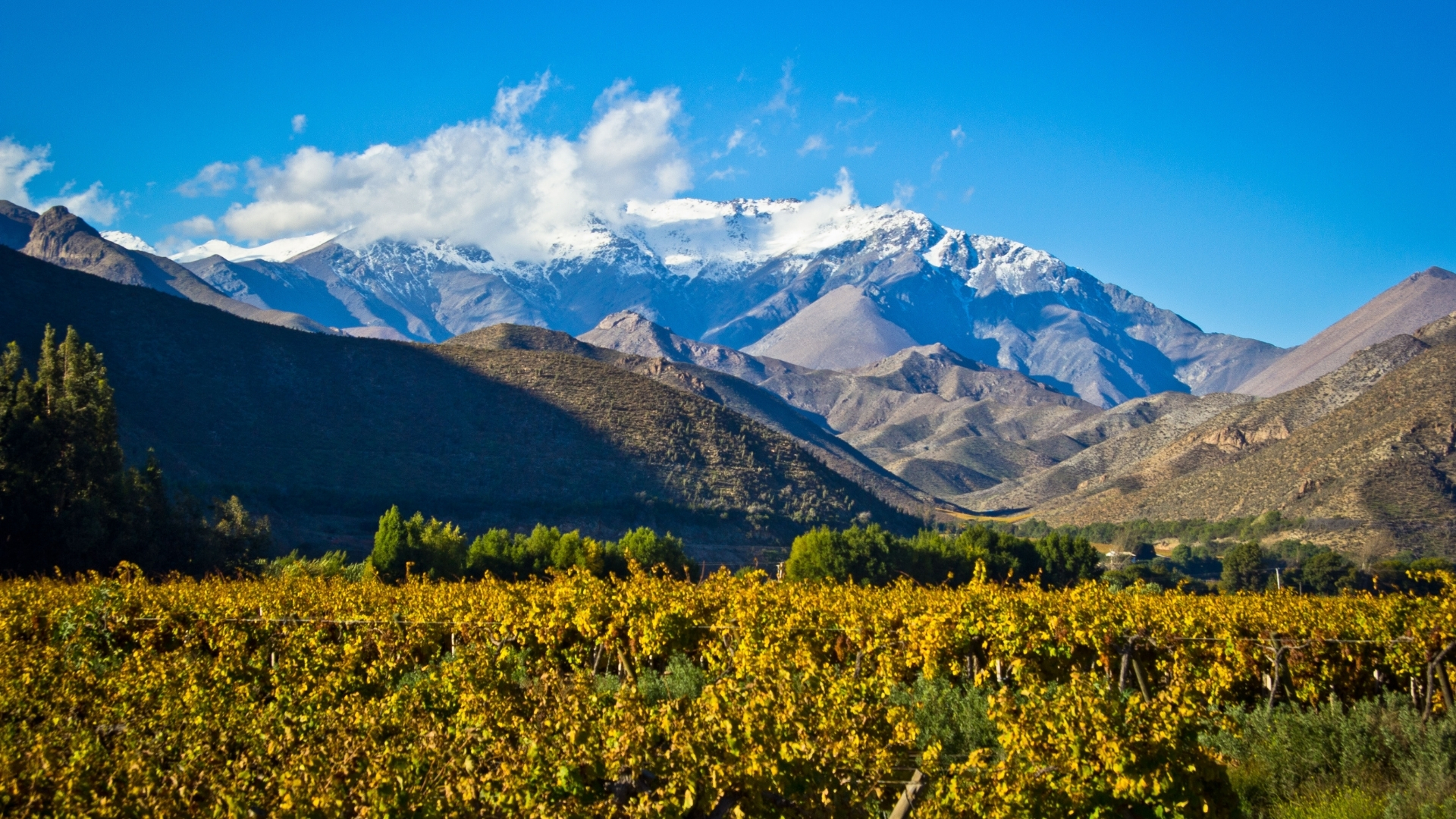
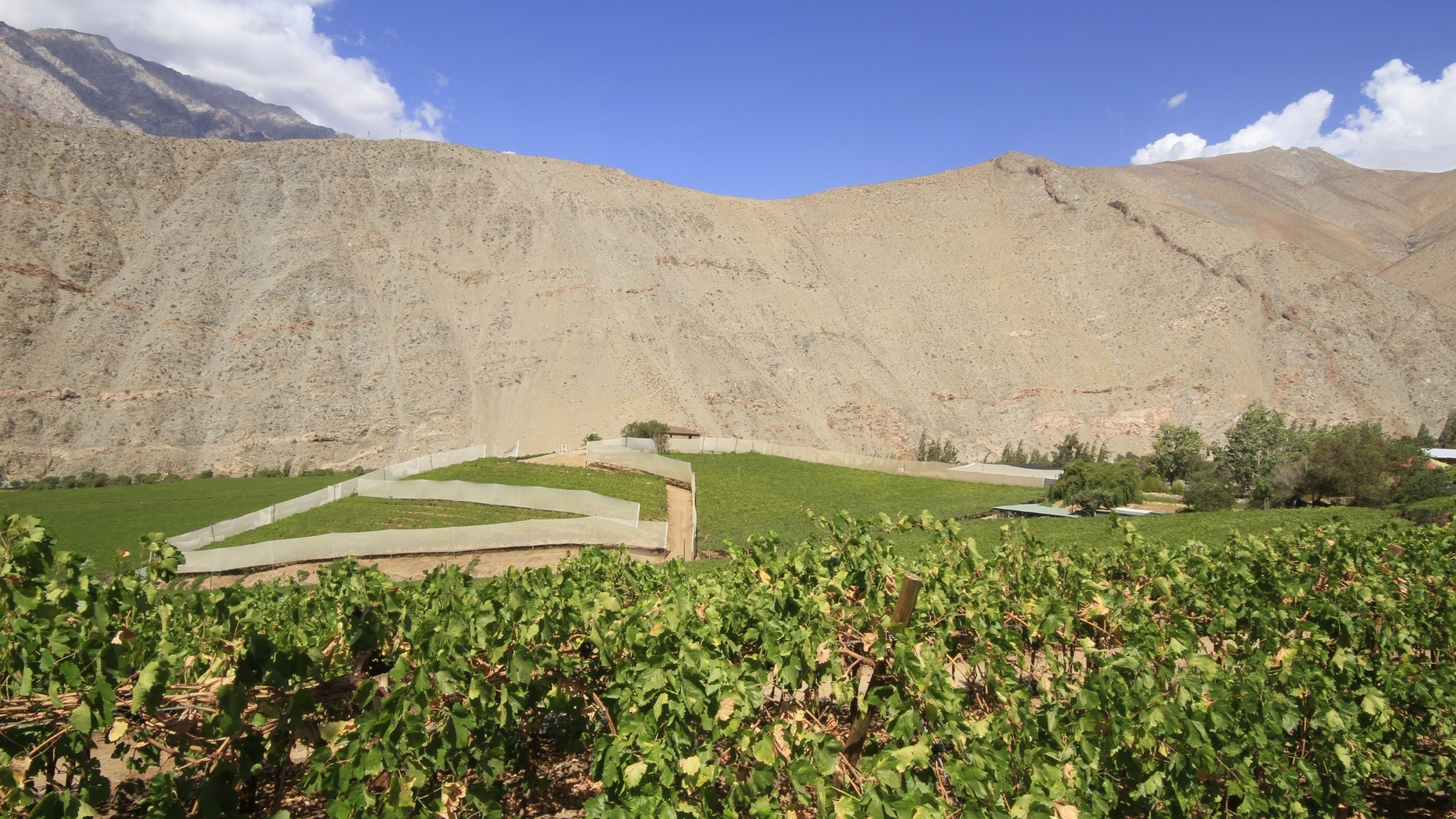
Although the Elqui Valley is better known internationally for its distilled grape spirit, it is also one of Chile’s most distinctive wine regions. Strong sunlight, dry conditions, significant day-night temperature differences, and vineyards positioned at different elevations allow producers to work with varieties particularly well suited to the northern climate.
Visit one or two wineries in the valley for guided tastings.
A suitable example is Viña Falernia, established in 1998 and recognized as one of Chile’s northern wine estates. Its vineyards are distributed across several sectors of the Elqui Valley at different elevations, and Syrah has become one of the estate’s best-known varieties.
The precise wineries can be adapted according to opening days, available tastings, season, and the traveler’s interests. Rather than attempting three or four hurried visits, the aim is to spend enough time at each winery to understand how the geography of Elqui influences the wine.
Enjoy lunch in the valley, ideally paired with local wine.
Return to Vicuña in the late afternoon.
The evening is free. This is intentionally not another observatory night. Three hours beneath a telescope every evening sounds romantic when planning the trip and considerably less romantic after the third consecutive midnight return.
Overnight: Vicuña
Meals included: Breakfast and lunch
Day 4 – Vicuña to Pisco Elqui via Montegrande
After breakfast, check out and continue deeper into the valley toward Paihuano, Montegrande, and ultimately Pisco Elqui.
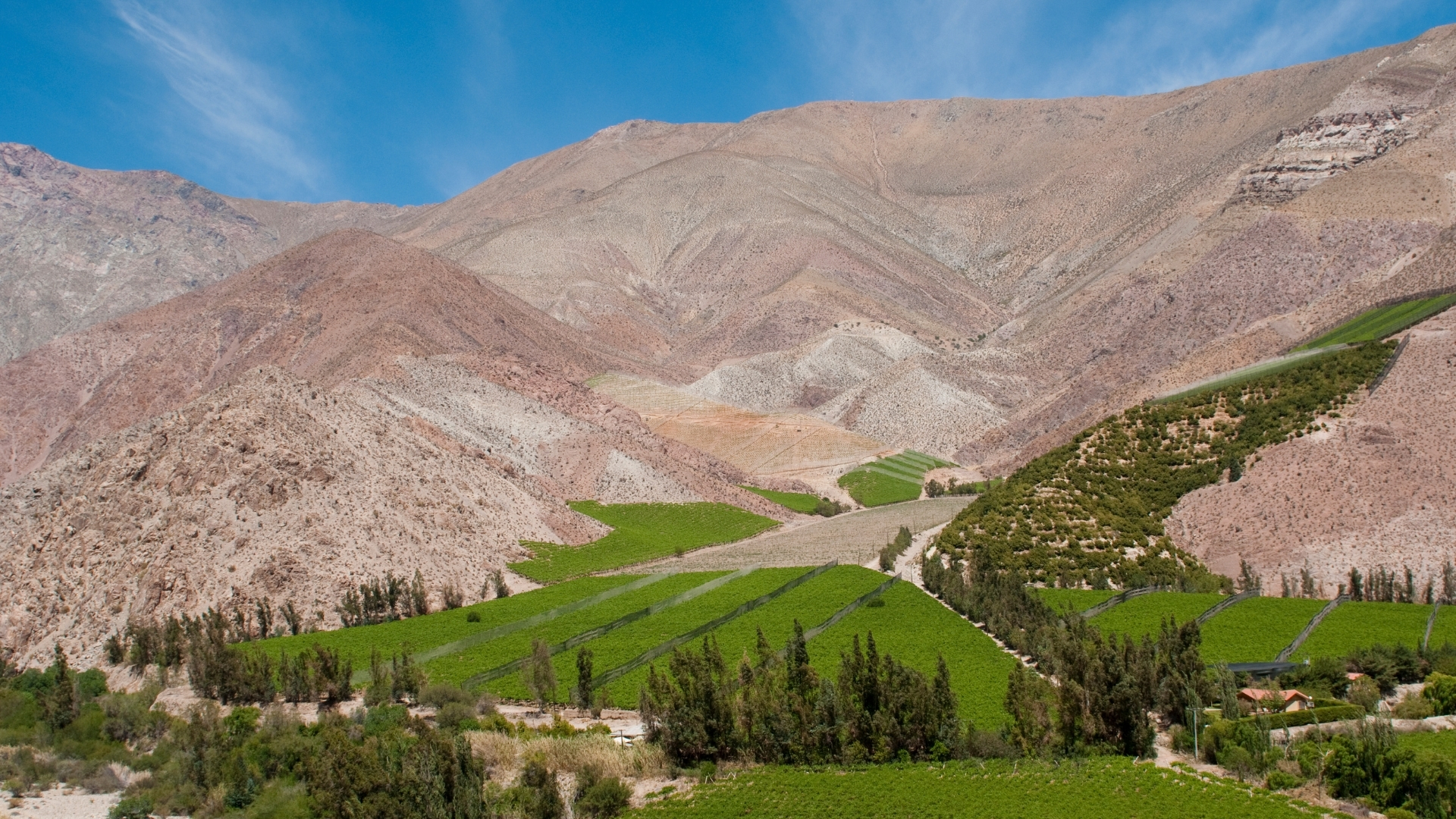
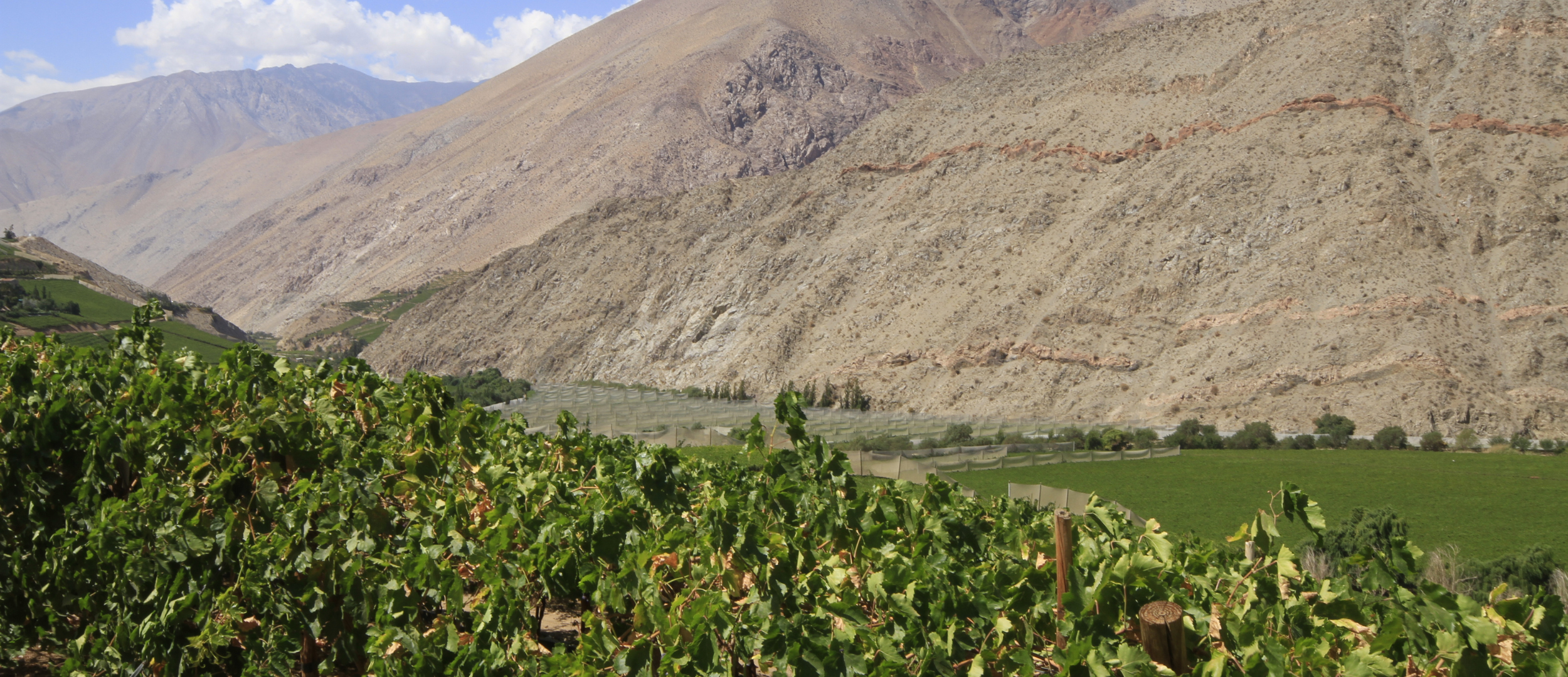
The scenery becomes progressively more dramatic as the valley narrows. Vineyards and orchards occupy strips of green along the river while barren mountains rise immediately behind them.
Stop in Montegrande, another place strongly associated with Gabriela Mistral. Depending on opening schedules and interests, visit cultural sites connected with her life or simply walk through the village.
Continue toward Pisco Elqui.
Before reaching the hotel, make the first serious introduction to Chilean pisco at a traditional distillery.
One of the most interesting options is Fundo Los Nichos, whose history is closely associated with the long tradition of pisco production in the valley. The distillery currently offers guided visits throughout the day, introducing visitors to the production process and the history of the property.
After the tasting, continue to Pisco Elqui and check into a lodge, boutique hotel, or small valley property.
Chile’s official tourism portal describes Pisco Elqui as a center for both pisco production and astrotourism, with traditional distilleries and access to some of the region’s clearest skies.
The evening is free for dinner in the village.
Overnight: Pisco Elqui
Meals included: Breakfast
Day 5 – The Pisco Route
Today is devoted to understanding pisco properly rather than treating it as a single tasting.
Begin with a guided visit to a larger or more established producer. One possible stop is Pisco Mistral, where visitors can learn about the production process, tour the distillery and cellars, and taste different expressions of the spirit.
Continue with a contrasting producer later in the day. Depending on schedules and availability, this may be a smaller artisanal distillery or another established operation elsewhere in the valley.
The Elqui pisco route includes a mixture of large cooperatives, historic distilleries, and smaller producers. Local tourism information lists producers including Mistral, Fundo Los Nichos, Aba, and others, each offering a somewhat different interpretation of the region’s signature spirit.
Lunch is included between the visits.
During the tastings, the focus should be on understanding differences in grape varieties, distillation, aging, alcohol level, and production style rather than simply accumulating glasses.
Return to Pisco Elqui in the afternoon.
The evening is free.
Overnight: Pisco Elqui
Meals included: Breakfast and lunch
Day 6 – Cochiguaz, High Valley Landscapes and Deep-Sky Stargazing
After breakfast, travel farther into the mountains toward Cochiguaz Valley.
This quieter tributary valley provides a very different atmosphere from Vicuña and the busier central route. The day is dedicated to landscapes, walking, and the rural side of Elqui.
Depending on the preferred activity level, choose between a gentle valley walk, a longer hike, horseback riding, or simply a scenic journey through the upper valley with stops at viewpoints and small communities.
Lunch is served at a rural property or local restaurant where available.
Return to the hotel during the afternoon and rest before the second major astronomical night of the journey.
For this experience, choose a more detailed astronomical program than the introductory observatory visit earlier in the week. Chile’s official tourism itinerary for the region specifically combines Vicuña and the Elqui Valley with night-sky observation and recommends the area for astronomy-focused travel.
A specialized observatory or private stargazing experience can focus more deeply on constellations, planets, nebulae, star clusters, and the southern sky.
The exact program should always remain flexible. Astronomy is weather-dependent, and moon phase dramatically changes the experience. A bright full moon is beautiful, but it is not ideal for faint deep-sky observation.
Return to the hotel late in the evening.
Overnight: Pisco Elqui
Meals included: Breakfast and lunch
Day 7 – Slow Elqui: Food, Wine and a Free Afternoon
After several structured days, today intentionally slows down.
Begin with a late breakfast before visiting a small local producer, vineyard, fruit farm, artisan workshop, or gastronomic project depending on availability.
This day is ideal for a longer lunch with wine rather than another formal tour.
Possible activities can include:
- a boutique wine tasting
- olive oil or local produce
- artisanal food producers
- a cooking experience
- horseback riding
- a short hike
- spa time
- photography
- simply enjoying the hotel, garden, or pool
The afternoon remains free.
This flexibility matters. Elqui works best when the valley is allowed to breathe. An itinerary filled from 08:00 until midnight every day would miss the point of the destination.
In the evening, enjoy a farewell dinner in or around Pisco Elqui.
If the skies are exceptionally clear and terravelers want one final look upward, an optional private stargazing session can be added.
Overnight: Pisco Elqui
Meals included: Breakfast and farewell dinner
Day 8 – Pisco Elqui to La Serena
After breakfast, begin the return journey toward La Serena.
Travel back down the valley, with the option to stop at a final vineyard, pisco producer, or scenic point if flight times allow.
Another possible stop is the CAPEL tourism center in Vicuña, which includes a pisco museum, production facilities, tasting experiences, artisan spaces, and gastronomy. It currently opens daily and offers guided pisco-related visits.
Continue toward La Serena and La Florida Airport.
The tour ends at the airport or at a hotel in La Serena, depending on onward travel plans.
Meals included: Breakfast
End point: La Serena
Practical Information
Start and end point: La Serena Airport to La Serena Airport
Tour type: Private tailor-made journey with private road transportation and a mixture of private and shared tastings and astronomical experiences
Duration: 8 days / 7 nights
Physical level: Easy to moderate, depending on the selected hikes and outdoor activities
Accommodation: Three nights in Vicuña and four nights in Pisco Elqui or the surrounding upper valley
Best for: Wine lovers, pisco enthusiasts, couples, food-focused travelers, photographers, amateur astronomers, and terravelers looking for a slower alternative to Chile’s classic Santiago–Atacama circuit
Transport: Private vehicle throughout the valley
Guide: Local specialists during wine, pisco, cultural, and astronomical experiences
Best season: Year-round, although astronomy, temperature, harvest activities, and vineyard conditions vary considerably by season
Tour Highlights
- Spend seven nights in the Elqui Valley
- Explore Vicuña and the cultural legacy of Gabriela Mistral
- Taste wines from one of Chile’s northernmost wine regions
- Discover the Elqui Valley’s distinctive Syrah
- Visit both historic and modern pisco distilleries
- Learn how Chilean pisco is produced
- Stay in the mountain village of Pisco Elqui
- Explore the quieter Cochiguaz Valley
- Join two different astronomical experiences
- Observe the southern night sky through telescopes
- Enjoy slow lunches and local gastronomy
- Travel with private transportation rather than rushing through fixed group circuits
What Is Included
- Seven nights of accommodation
- Three nights in Vicuña
- Four nights in Pisco Elqui or the upper Elqui Valley
- Daily breakfast
- Private road transportation from and back to La Serena
- Private transportation during scheduled valley excursions
- Guided cultural tour in Vicuña
- Entrance to the Gabriela Mistral Museum when applicable
- At least one guided wine tasting
- At least two guided pisco distillery experiences
- One introductory astronomical observatory experience
- One enhanced or specialized stargazing experience
- Guided Cochiguaz Valley excursion
- Lunch on selected excursion days
- Farewell dinner
- Local specialist guides where required
- Terra Sur Travels planning and logistical assistance
What Is Not Included
- Domestic flights to La Serena
- Hotels in Santiago or elsewhere before or after the tour
- Meals not specifically mentioned
- Alcoholic beverages with meals unless specifically included
- Optional spa treatments
- Optional horseback riding
- Optional additional hikes
- Personal travel insurance
- Medical insurance
- Personal expenses
- Tips for guides, drivers, hotel staff, and tasting-room staff
Why This Tour Is Ideal for Wine and Stargazing Lovers
The Elqui Valley is one of the rare destinations where wine, distilled spirits, mountain landscapes, and astronomy fit together naturally rather than being artificially combined.
During the day, the valley is defined by irrigation, vineyards, pisco grapes, fruit cultivation, desert hills, and intense sunlight. At night, the same dry climate and low light pollution create conditions that have made northern Chile internationally important for astronomy.
Pisco Elqui itself is promoted by Chile’s official tourism authorities as a destination where pisco traditions and astrotourism meet. The village lies roughly 100 kilometers inland from La Serena and is surrounded by distilleries, vineyards, and astronomical facilities.
Eight days also allow the journey to avoid a common mistake: treating the valley as a rushed day trip from La Serena.
A two-day visit can show the highlights. Eight days allow terravelers to taste carefully, recover after late astronomical nights, explore different sections of the valley, and enjoy the atmosphere without turning every day into a logistical exercise.
Why Two Stargazing Nights Make Sense
Astronomy is not predictable in the same way as visiting a museum.
Cloud cover, atmospheric conditions, moon phase, wind, and seasonal objects all influence what can be observed.
Including two separate astronomical nights improves the experience in several ways. It provides a second opportunity if weather disrupts the first evening, and it allows the two experiences to be deliberately different.
The first can focus on orientation and accessible telescope observation. The second can go deeper into the southern sky, using a smaller specialist facility or private astronomy guide.
Mamalluca currently offers both English-language astronomical tours and premium programs, making it suitable as one of these two experiences.
Important to Know
The Elqui Valley has a dry climate with strong daytime sun and substantially cooler nights. Chile’s official tourism information specifically recommends sun protection during the day and warm clothing after dark.
Observatory visits should be booked ahead, particularly during holiday periods and high season.
Stargazing cannot be guaranteed. Clouds, wind, humidity, or technical conditions may force an observatory to modify or cancel an activity.
The full moon significantly reduces visibility of faint celestial objects. Travelers whose principal goal is deep-sky astronomy should ideally plan around a darker lunar phase.
Wine and pisco tastings involve alcohol. Private transportation is therefore included on tasting days so nobody has to drive afterward.
Distillery and winery operations change by season. Harvest, fermentation, distillation, and production activities visible during a visit depend on the time of year.
The aim of the tour is not to visit the maximum possible number of producers. Four thoughtful tastings are better than eight rushed ones.